
 English
 Español
 Deutsch
 日本語
 Italiano
 Português
 Русский
 简体中文
 한국어
 Polski
 ภาษาไทย
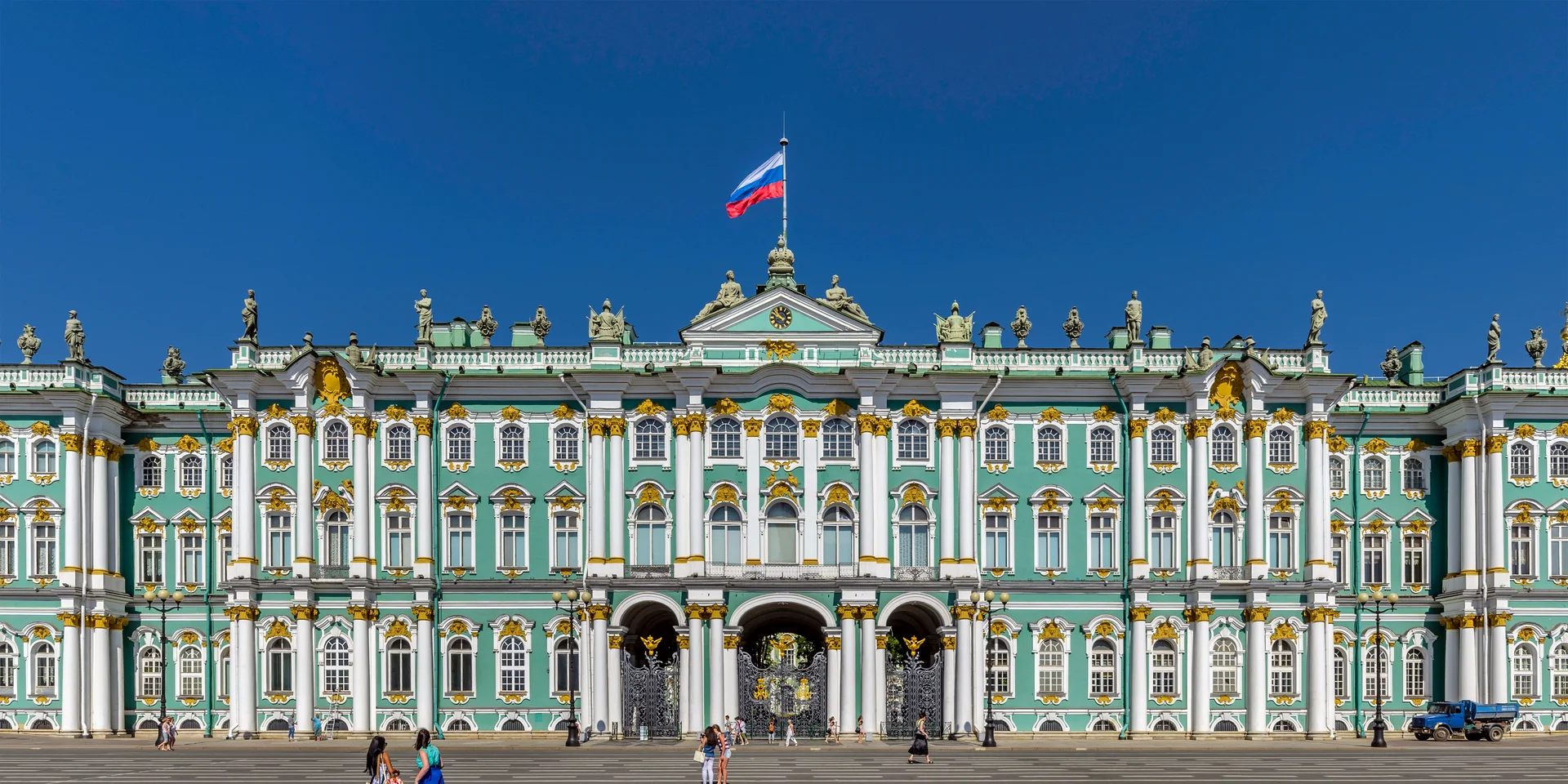
Exploring on foot is one of the most rewarding things to do in St Petersburg: a palace frontage gives way to a canal, a busy avenue opens onto a cathedral, and the Neva separates neighbourhoods with quite different views. Founded in 1703, it stands in Russia at the mouth of the Neva, beside the Gulf of Finland.
These 35 places cover the centre, the Petrograd Side, Vasilyevsky Island and four trips beyond the centre. Choose a few interiors rather than a checklist. Visitor information was checked on 18 November 2026. Winter closures matter: the Dostoevsky Museum is temporarily closed, and Peterhof’s fountains have finished their season.
Before you go
Arriving and getting around.
From Pulkovo Airport, buses 39 and 39E connect with Moskovskaya metro station; 82E goes to Prospekt Veteranov. The airport bus fare is 88 roubles, with the metro paid separately. In 2026, a single metro journey costs 95 roubles; the ordinary municipal surface-transport fare is 88 roubles. The Podorozhnik stored-value product normally costs 65 roubles per journey; the card is purchased separately and conditions apply.
Payment and tickets.
Foreign-issued Visa and Mastercard cards do not work at Russian merchants or ATMs. Arrange a usable payment method beforehand; official booking websites may also reject foreign cards. Select the exact museum, building and admission slot. A palace, its park and a neighbouring exhibition may need different tickets, and citizenship-based reductions do not apply to every visitor.
Season and evenings.
Light summer nights, especially around the June solstice, suit walks along the embankments. Fountain displays, garden access and boat services have their own seasons; some operators also run cold-weather cruises. Check the actual departure rather than assuming a summer timetable. Before staying out to watch a drawbridge, check Mostotrest’s schedule and your hotel’s side of the river. Metro entrances and last trains also have individual closing times.
Names on maps and in museums.
The city became Petrograd in 1914, Leningrad in 1924 and St Petersburg again in 1991. Historic names remain useful on museum labels. Closing days vary: Monday is not a universal day off.
Palace Square, St Isaac’s and the Moika
9 places
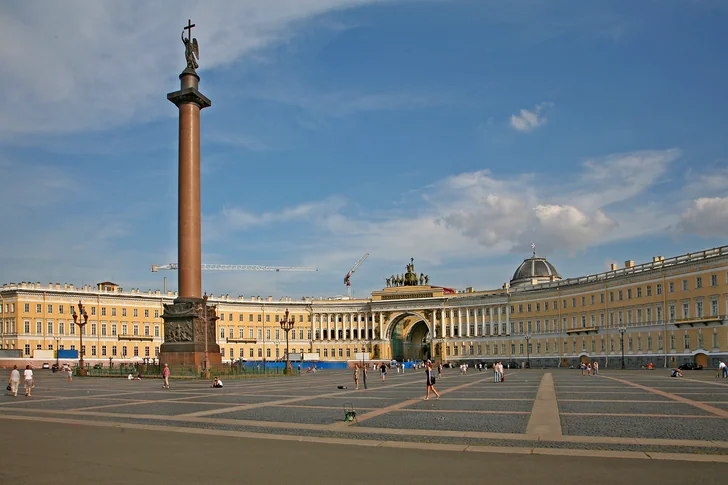
1. Palace Square
Start with the space between the Winter Palace and the curved General Staff Building. The Alexander Column makes the scale of the ensemble easier to read: walk across the square before choosing a museum entrance. Admiralteyskaya is a useful metro station for this area. Looking at the square and entering the surrounding museums are separate activities.
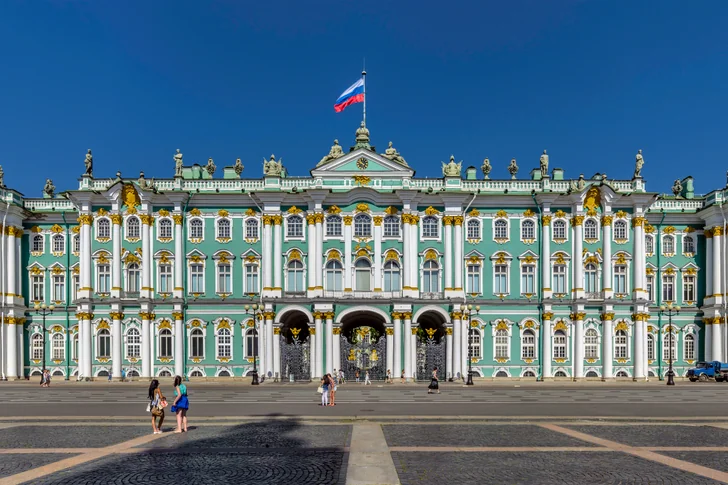
2. State Hermitage Museum and Winter Palace
The Winter Palace, formerly an imperial residence, forms part of the Hermitage’s Main Museum Complex. For a first visit, reserve that complex and choose a manageable selection of galleries. The General Staff Building has a separate ticket; a view of its arch across the square does not mean it is included.
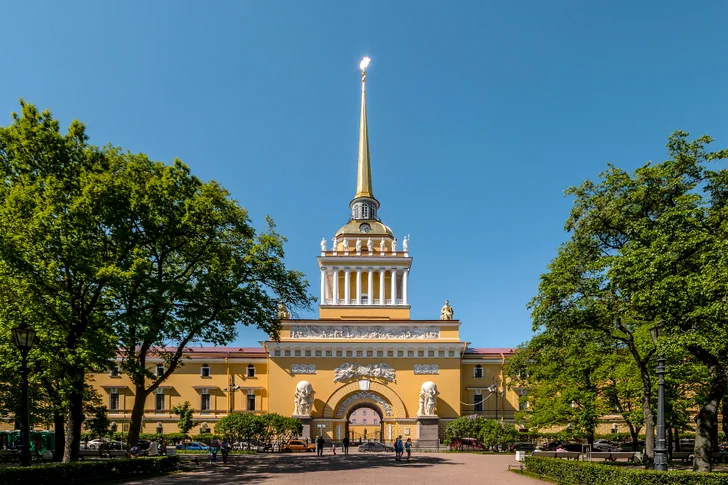
3. Admiralty
The Admiralty’s spire, topped by a ship-shaped weather vane, is a useful landmark when moving between Palace Square and St Isaac’s. The complex began as a naval shipyard; its military function is a reason to plan an exterior visit. Follow the facade through the adjoining Alexander Garden, then continue towards Senate Square.
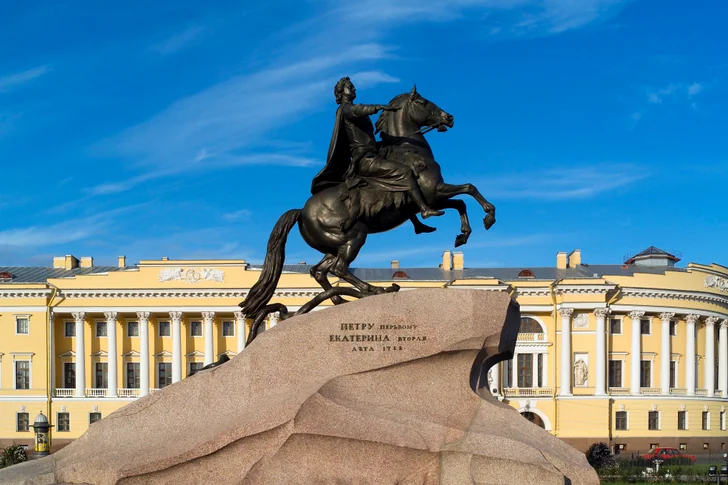
4. Bronze Horseman
On Senate Square, Falconet’s equestrian monument shows Peter I on a rearing horse. Its familiar name comes from Pushkin’s poem. View it from different sides before continuing towards St Isaac’s; the horse, rider and rocky base form a single composition.
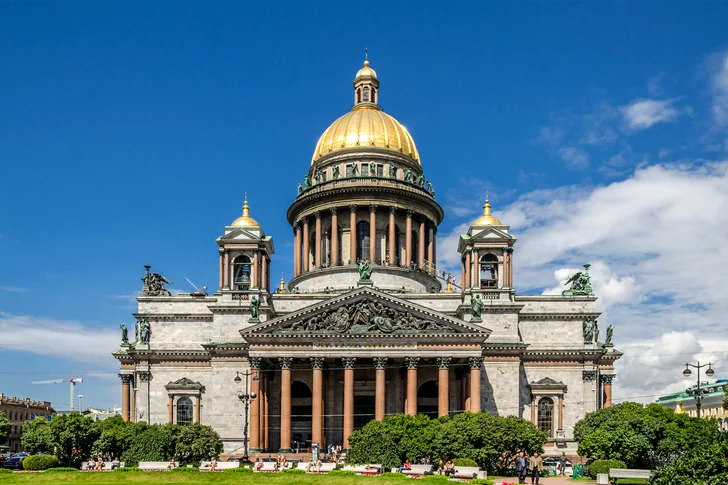
5. St Isaac’s Cathedral
The golden dome rises above monumental columned porticoes. Choose the cathedral interior, the elevated view or both. The colonnade is an outdoor viewing platform reached on foot; it is a separate visit from the cathedral below. Consider the stairs and weather before buying.
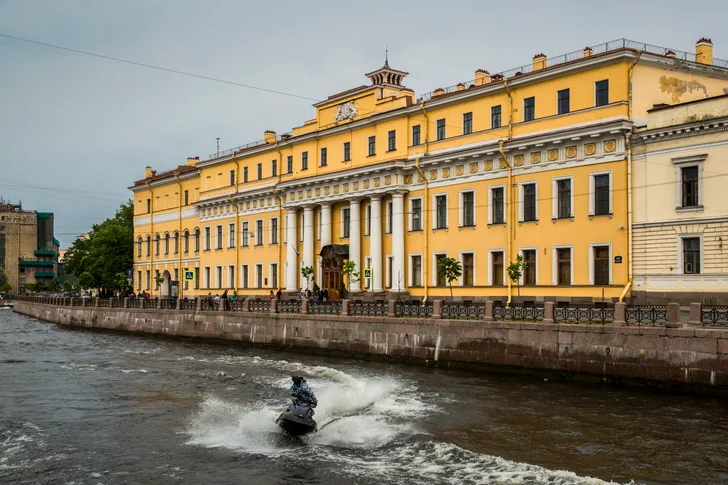
6. Yusupov Palace on the Moika
Choose a route through the palace rather than buying by the building’s name alone. The state rooms and prince’s private apartments route includes the home theatre. A Rasputin exhibition belongs to other programmes, so decide which subject interests you before booking.
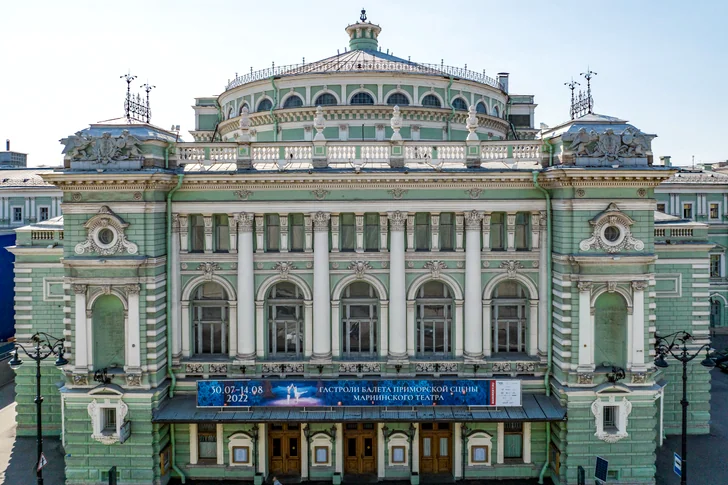
7. Mariinsky Theatre
The historic theatre’s green facade and arched windows face Theatre Square. For an evening performance, check the venue before paying: Mariinsky II and the Concert Hall are different addresses. Prices depend on the performance and seat; there is no single sightseeing admission. Use the theatre’s visitor and ticket information.
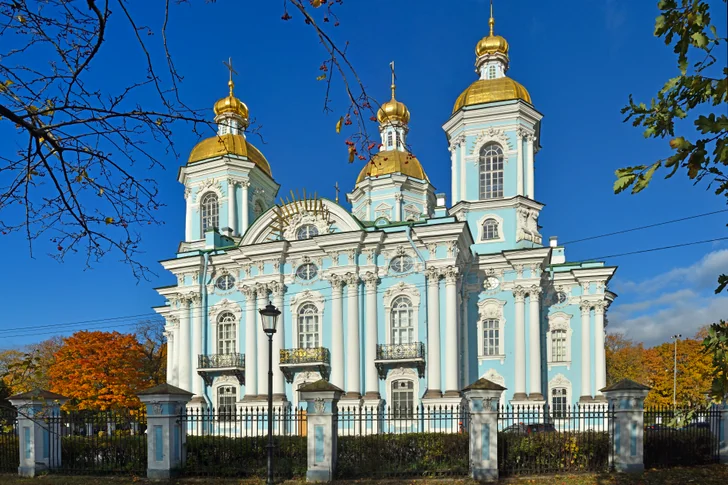
8. St Nicholas Naval Cathedral
This blue-and-white, five-domed cathedral was intended for naval personnel and remains a working church. Its setting makes a quieter continuation from Theatre Square. Respect services rather than assuming every part is open for sightseeing. The parish offers pre-booked weekend tours including the upper church; check the parish programme for access. This is a different cathedral from the one in Kronstadt.
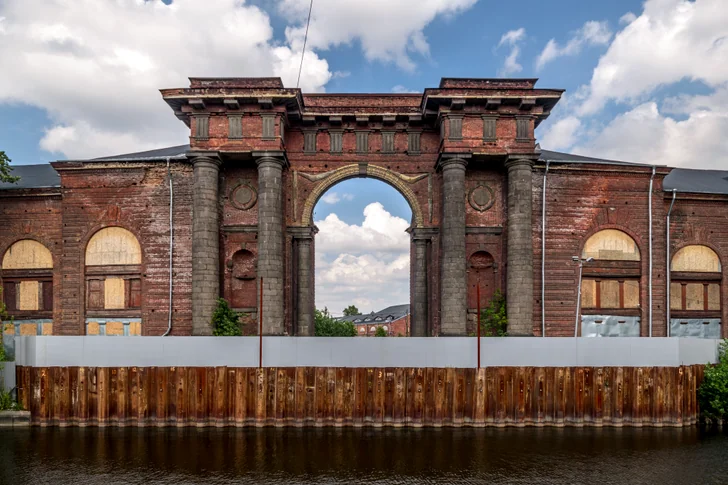
9. New Holland Island
New Holland offers a change of pace between interiors: historic brick buildings, outdoor space and places to sit or eat. Its skating rink and other seasonal activities have their own arrangements.
Nevsky Prospekt, the Fontanka and the gardens
10 places
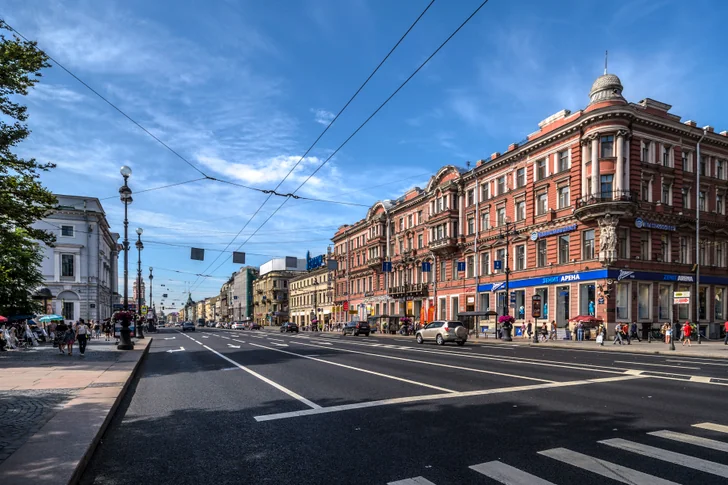
10. Nevsky Prospekt
Walk the central stretch from the Admiralty towards the Fontanka, using the cathedral, bookshop and bridge below as stopping points. Nevsky is a working traffic artery with shops and churches, so allow for crossings and detours. You do not need to follow its entire length to understand its place in the city.
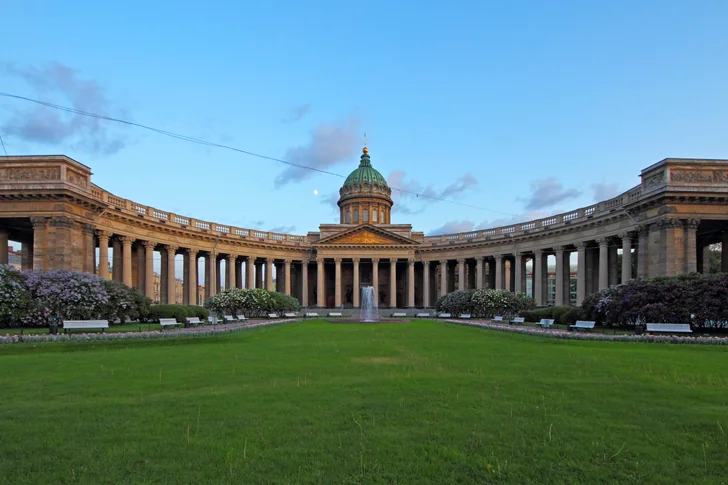
11. Kazan Cathedral
The colonnade facing Nevsky makes the cathedral an obvious pause on the avenue. Inside is the burial place of commander Mikhail Kutuzov. It is an active Orthodox church: services determine the rhythm of a visit, while organised tours and access to the crypt have separate arrangements. Consult the cathedral’s current information rather than assuming fixed museum-style closing hours.
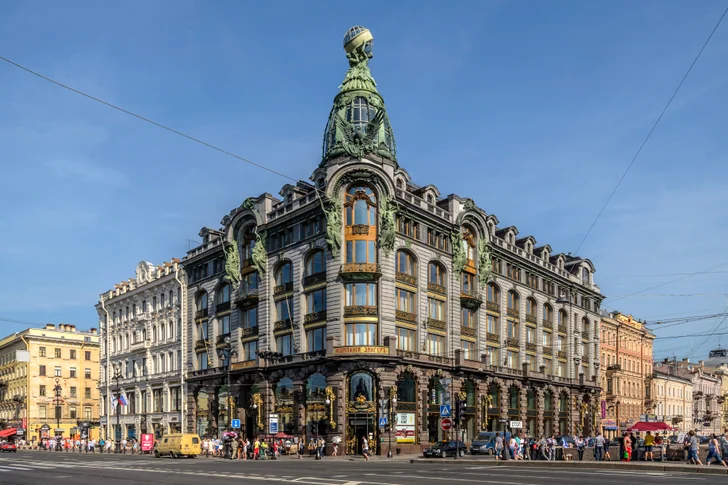
12. Singer House
Look up from the pavement for the glass globe above the former Singer company headquarters. The House of the Book gives you a straightforward reason to enter the building, without needing to book a tour. The bookshop opens daily 09:00–23:00, according to its own listing. Do not treat the visible dome as a public observation deck.
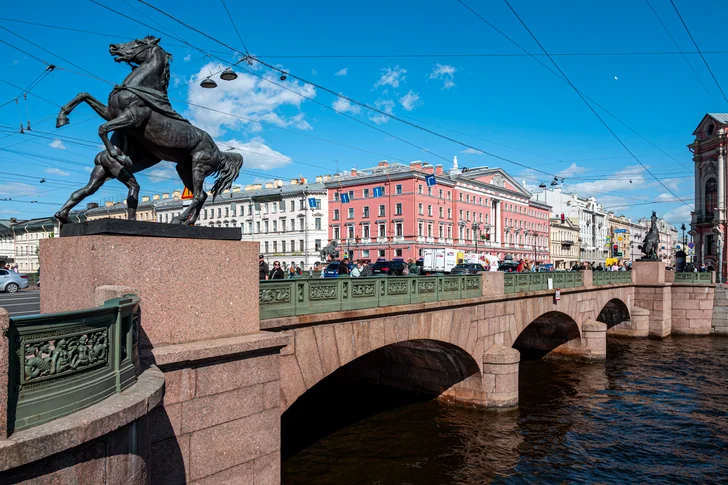
13. Anichkov Bridge
Nevsky crosses the Fontanka at this bridge, framed by Pyotr Klodt’s horse-taming groups. Pause at the river rather than looking only along the avenue: the embankment gives the sculpture a different setting. It is a useful place to turn off Nevsky towards the Fabergé Museum, instead of continuing along the main road.
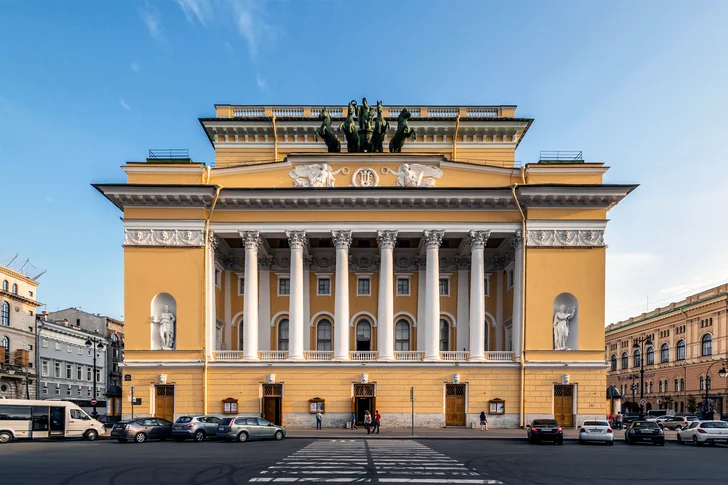
14. Alexandrinsky Theatre
Carlo Rossi’s theatre, with its columned facade and rooftop chariot, provides an architectural stop away from Nevsky’s traffic. For an interior visit, choose a performance or an official tour covering the theatre and Museum of Russian Drama. Tours fit around rehearsals and performances, so they are not continuous walk-in access. The theatre’s tour page lists available arrangements; the New Stage is another venue.
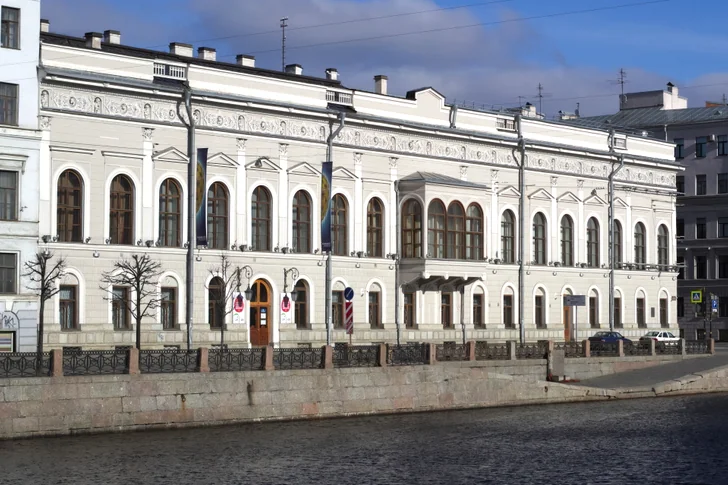
15. Fabergé Museum in the Shuvalov Palace
Imperial Easter eggs, jewellery and silverwork fill a palace on the Fontanka. Choose it for a focused decorative-arts visit with a defined session.
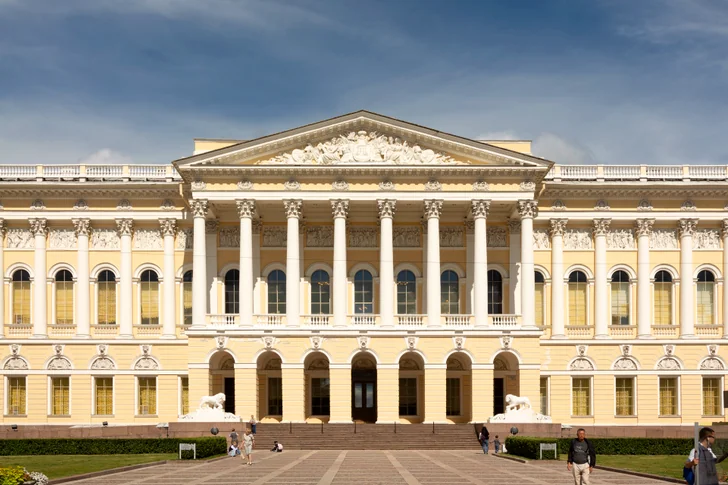
16. State Russian Museum at the Mikhailovsky Palace
The Mikhailovsky Palace introduces Russian painting, icons, sculpture and decorative art. Other Russian Museum properties are separate destinations; even a combined palace-and-Benois ticket can exclude temporary exhibitions.
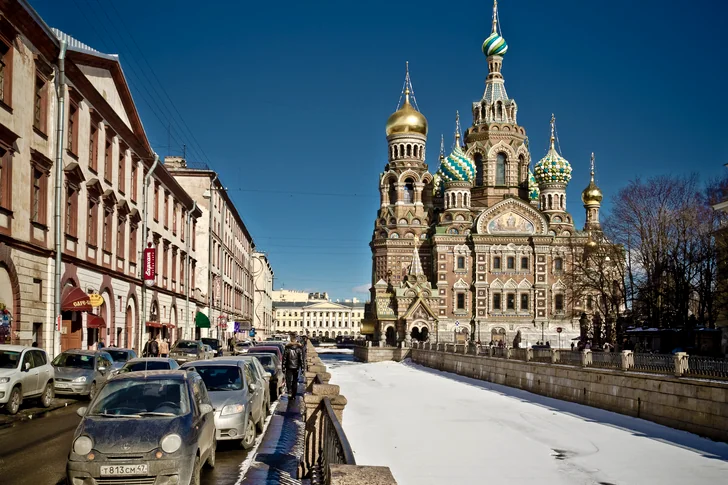
17. Church of the Saviour on Spilled Blood
The coloured domes beside the Griboyedov Canal make this a strong visual counterpoint to the classical palaces. The church marks the place where Alexander II was fatally wounded; he died later at the Winter Palace. Allow a separate interior visit rather than treating it only as a photograph from the canal.
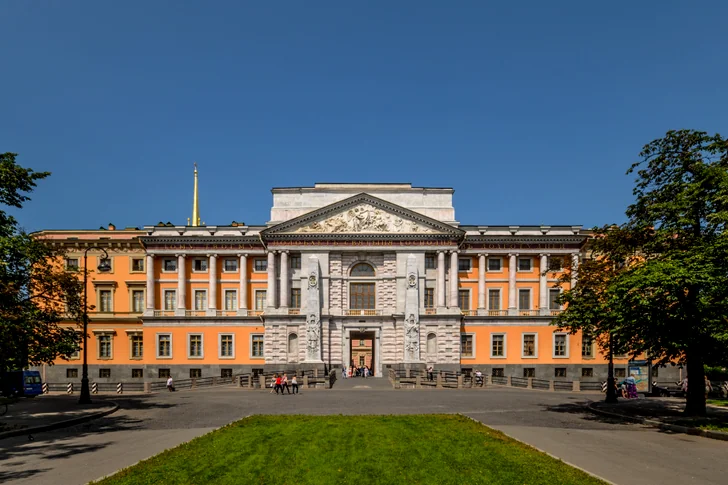
18. St Michael’s Castle
Also called Mikhailovsky or Engineers’ Castle, this former residence of Paul I is distinct from the Mikhailovsky Palace. Portraits of people from different eras now occupy its restored state rooms. Choose the exhibition you want; access does not cover the whole castle.
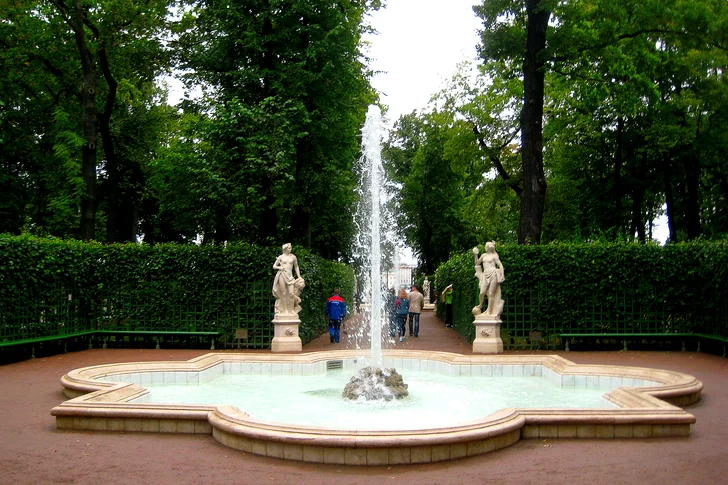
19. Summer Garden
Use the garden as an outdoor interval between the castle area and the Neva. The straight paths and formal layout offer a different walking experience from Nevsky, but the photograph’s running fountain is a seasonal view.
The Petrograd Side
4 places
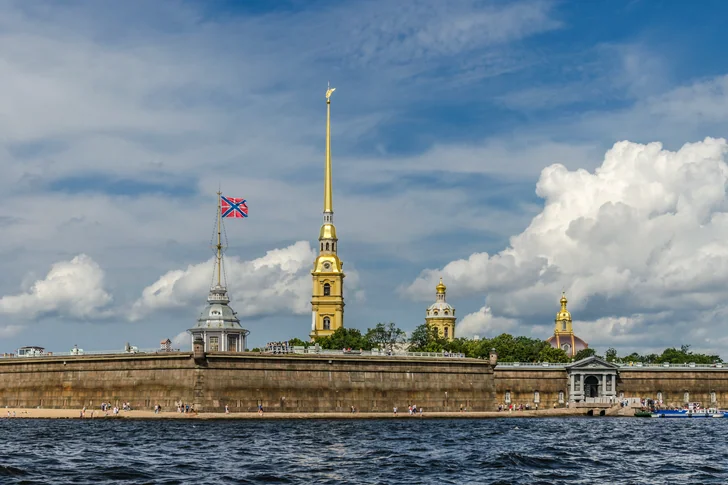
20. Peter and Paul Fortress
The island fortress brings the city’s founding landscape into view: the settlement began with the fortress in 1703. Walk the exterior before deciding which interiors to visit. The cathedral, Trubetskoy Bastion prison and other displays require the appropriate museum tickets, whose combinations differ.
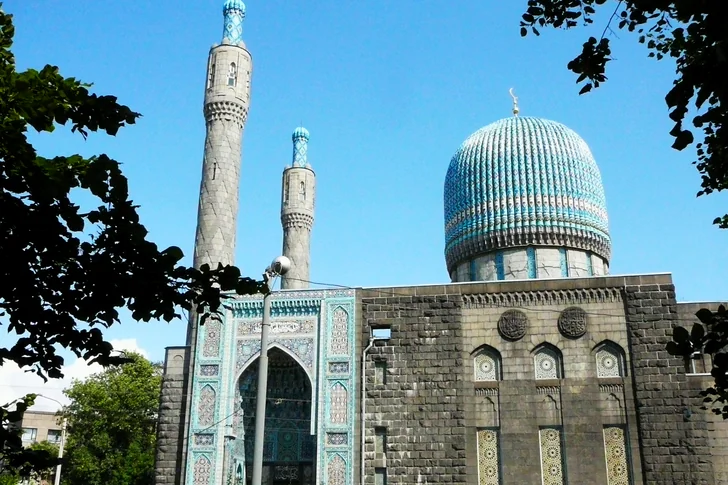
21. Saint Petersburg Mosque
The dome, minarets and decorated entrance draw on architectural traditions of Samarkand and Cairo. Make this an exterior stop on your Petrograd Side walk. Ask the mosque directly about current visitor arrangements if you hope to enter.
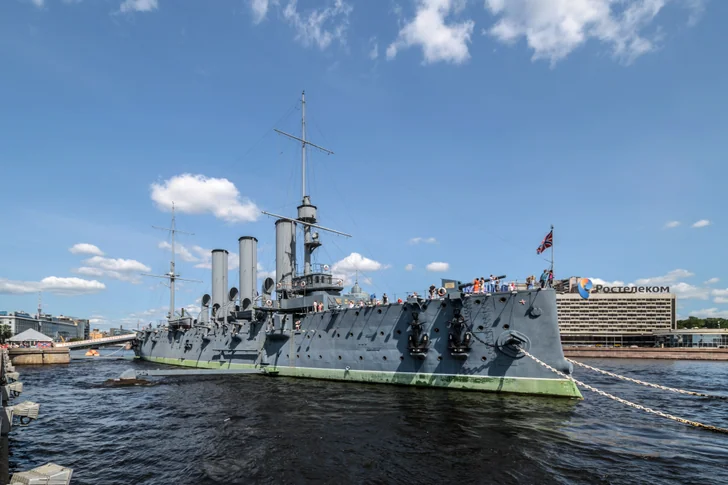
22. Cruiser Aurora
The ship alongside Petrogradskaya Embankment is a branch of the Central Naval Museum. Choose your ticket carefully: ordinary entry and guided routes are different products, and access to machinery spaces should not be assumed.
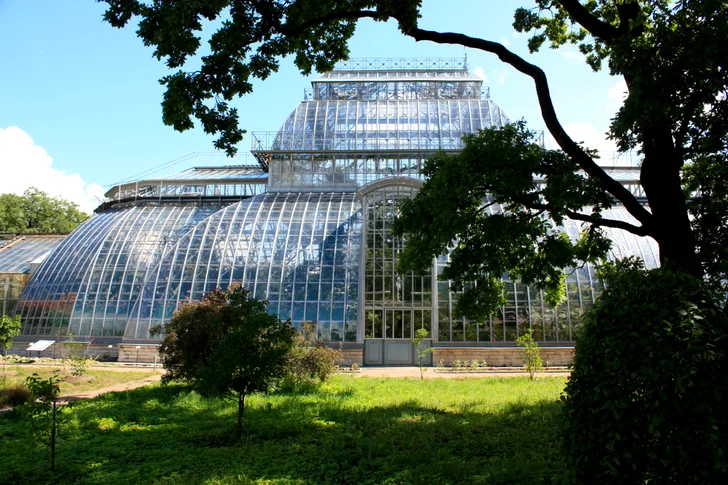
23. Peter the Great Botanical Garden
The greenhouses hold tropical, subtropical and arid collections. Choose a park visit or a guided greenhouse route, checking which route is available during maintenance.
Vasilyevsky Island
4 places
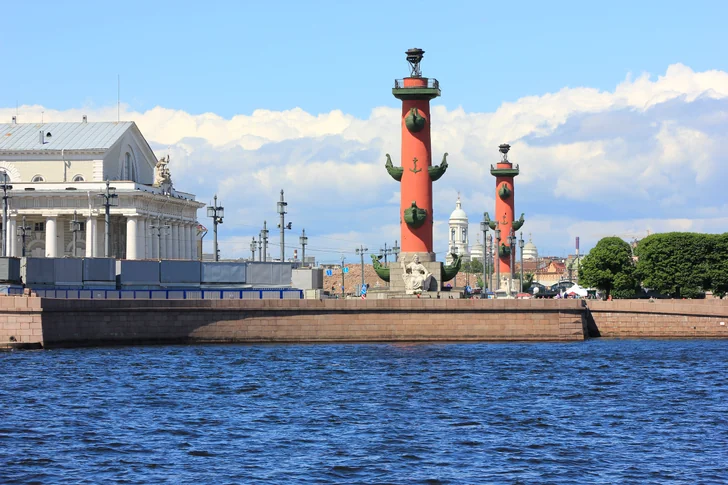
24. Spit of Vasilyevsky Island
The eastern tip of the island places the Exchange and Rostral Columns between the Bolshaya and Malaya Neva. Walk around the outdoor ensemble for views across the river. This is a useful start to the island’s embankment museums; Sevkabel, farther away, needs a separate transfer.
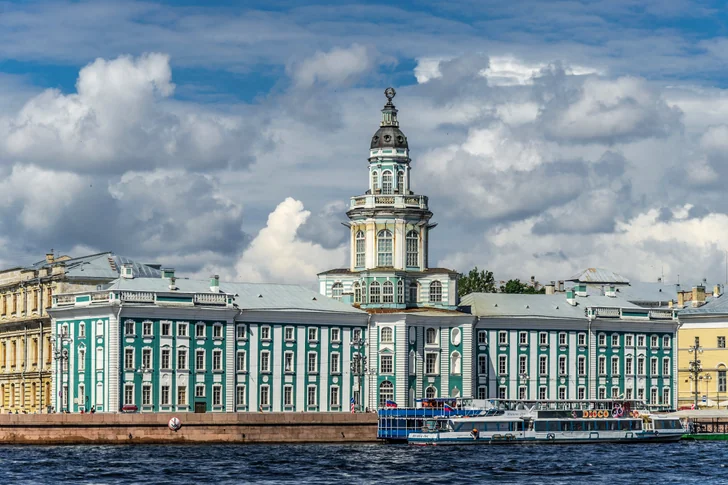
25. Kunstkamera
The Peter the Great Museum of Anthropology and Ethnography offers collections about peoples, travel and scientific enquiry. That is a broader reason to visit than its reputation for anatomical exhibits alone. The tower’s globe and observatory require a guided arrangement.
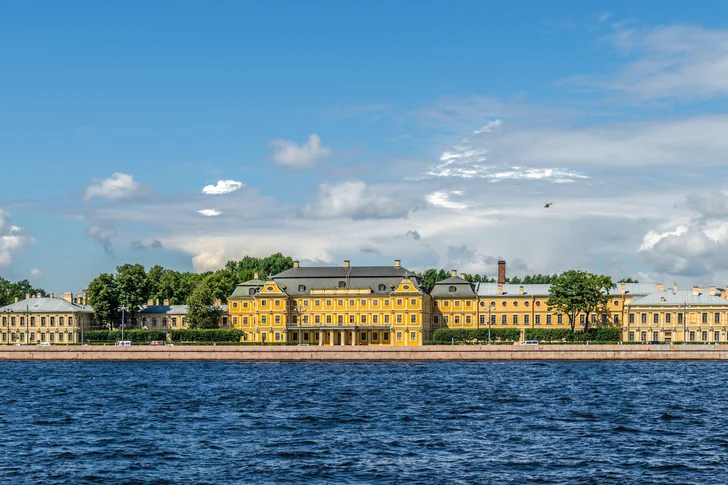
26. Menshikov Palace
Built for Alexander Menshikov, the city’s first governor, this palace includes a walnut-panelled study and ceremonial rooms. It is another Hermitage site, with its own booking rather than the Main Museum Complex ticket.
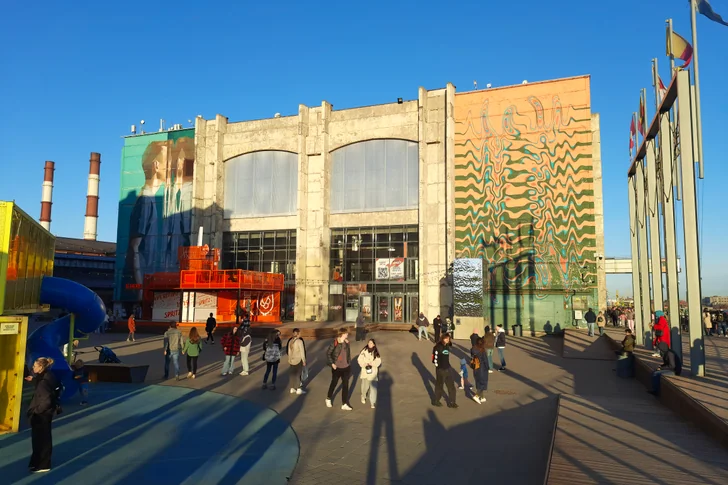
27. Sevkabel Port
Industrial buildings and a waterfront promenade provide a change from the ceremonial island embankment. Leave time to sit by the water or choose an event, rather than squeezing it between museum admission slots. General entry is free, but exhibitions, concerts and individual spaces can have charges or restrictions. Check the venue’s programme; cafés keep their own hours.
Other neighbourhoods: choose by interest
4 places
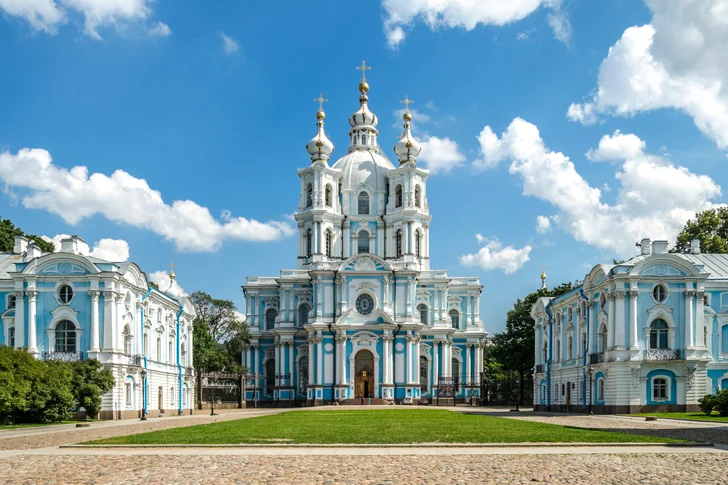
28. Smolny Cathedral
White columns and elaborate towers rise from Rastrelli’s blue cathedral at the centre of the former monastery ensemble. It remains a working church with daily services; treat it as a separate excursion from the central museum walks. The cathedral’s visitor service advertises tours and a bell-tower ascent, but confirm current availability and the requested donation directly through the visitor service.
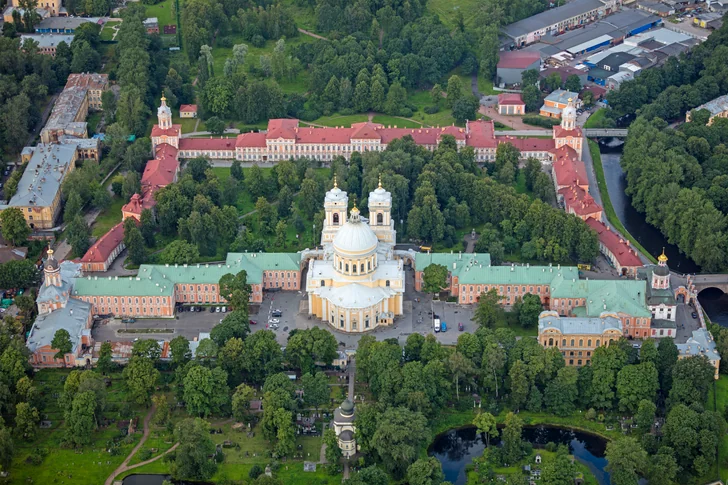
29. Alexander Nevsky Lavra
The monastery offers a different rhythm from the palace museums. Its grounds and Trinity Cathedral have their own schedules, while the museum necropolises are separate ticketed sites. The Necropolis of Masters of Arts contains the graves of Dostoevsky and Tchaikovsky.
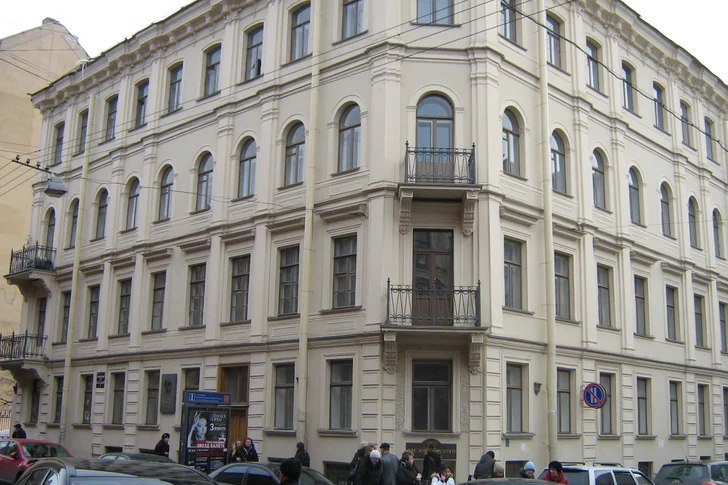
30. Dostoevsky Museum
The museum occupies the apartment building where Dostoevsky spent his last years and wrote The Brothers Karamazov. Its reconstructed apartment and literary exhibition are reasons to return after reopening.
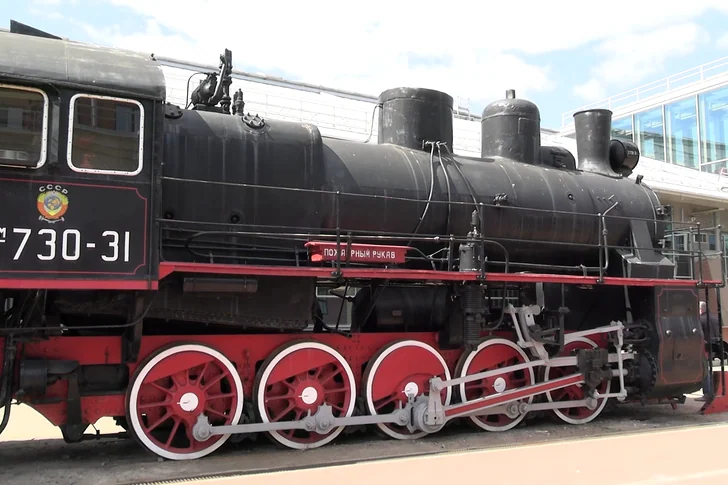
31. Museum of Russian Railways
Beside Baltiysky station, historic locomotives occupy an old depot, a modern building and outdoor space. Models and interactive displays complement the full-size machines. Special halls and simulators can need additional tickets.
Four trips beyond the centre
4 places
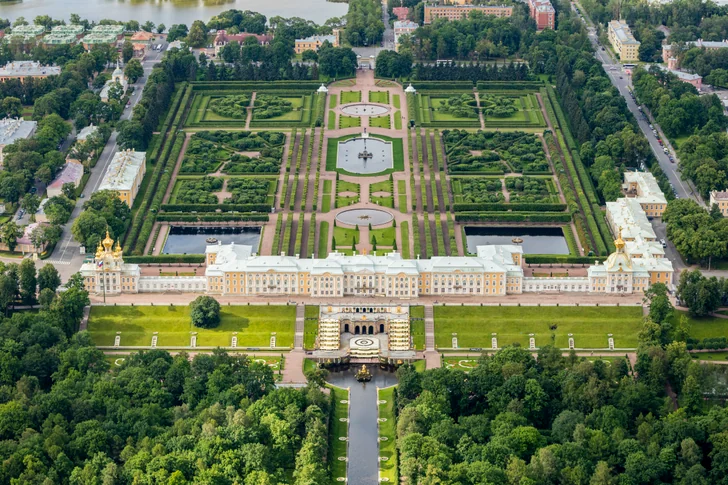
32. Peterhof Palace and Lower Park
Peterhof combines the Grand Palace and the Lower Park, whose fountains operate seasonally. In 2026 the fountains finished on 4 November; their 2027 opening date was not confirmed. For a winter trip, decide whether the palace interior is your main purpose.
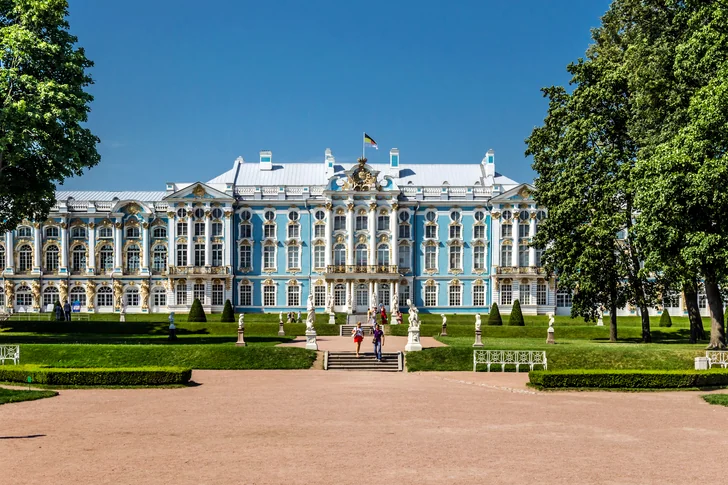
33. Catherine Palace and Park
In Pushkin, the Tsarskoye Selo museum complex offers a palace visit and a separate reason to walk outdoors. The Amber Room on the palace route is a reconstruction, opened in 2003 after the original interior was lost during the war.
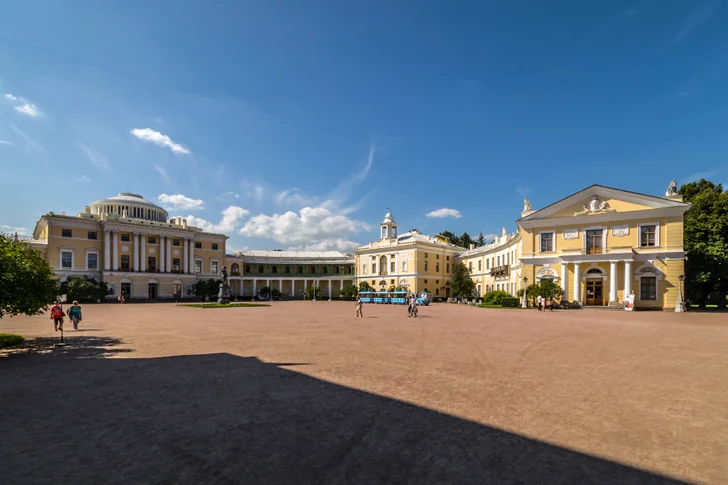
34. Pavlovsk Palace and Park
Pavlovsk combines an imperial residence with a landscape park along the Slavyanka River. Give it its own outing, with a guided palace visit and time outdoors. Trains run from Vitebsky station to Pavlovsk, with local buses onward to the palace.
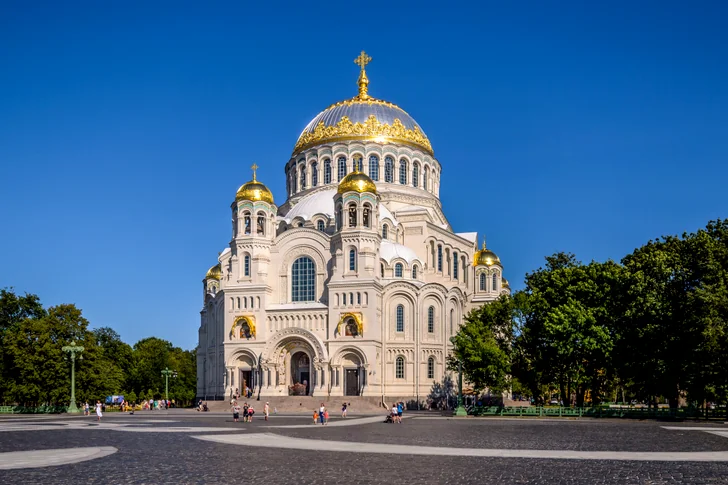
35. Kronstadt Naval Cathedral and Anchor Square
The Naval Cathedral gives a Kronstadt trip a clear focus. Consecrated in 1913, it was created as a memorial to sailors who died in service; view it together with Anchor Square rather than rushing straight inside. Cathedral entry is free, but published hours conflict. Check the day’s opening through the Kronstadt museum’s visitor information before setting out.
Where to go in the evening
Choose a performance at the Mariinsky or Alexandrinsky, checking the stage printed on your ticket. For an unstructured evening, New Holland or Sevkabel offers an alternative to another museum. In light summer evenings, leave room for the Neva embankments. For bridge openings, check the night’s schedule and your return route.
What to see in one, two or three days
One day: begin at Palace Square and choose the Hermitage as your main interior, then walk part of Nevsky through the Kazan Cathedral and Singer House area. Alternatively, skip the Hermitage and make a shorter-interior day around St Isaac’s, the Bronze Horseman and the Moika. On Monday, when the Hermitage closes, the outdoor centre and a confirmed opening elsewhere make a better plan than arriving at its door.
Two days: add the Peter and Paul Fortress, choosing its cathedral or prison according to the day’s opening. Continue towards the Spit of Vasilyevsky Island if the weather suits, with one island museum as an alternative rather than an obligation. Keep the Botanical Garden or Aurora for a different version of the day; both have their own closing days.
Three days: keep the two city days and choose one palace outing, Peterhof or Catherine Palace. In winter, build the choice around an available interior rather than fountains. Pavlovsk and Kronstadt are alternatives for a longer stay. With a week, add further museum visits and separate excursions; the 35 places are a menu, not a realistic three-day target. Leave the Dostoevsky Museum interior until reopening is confirmed.
 Russia

 France
 Montenegro
 Hungary
 Venezuela