
 English
 Español
 Deutsch
 日本語
 Italiano
 Português
 Русский
 简体中文
 한국어
 Polski
 ภาษาไทย
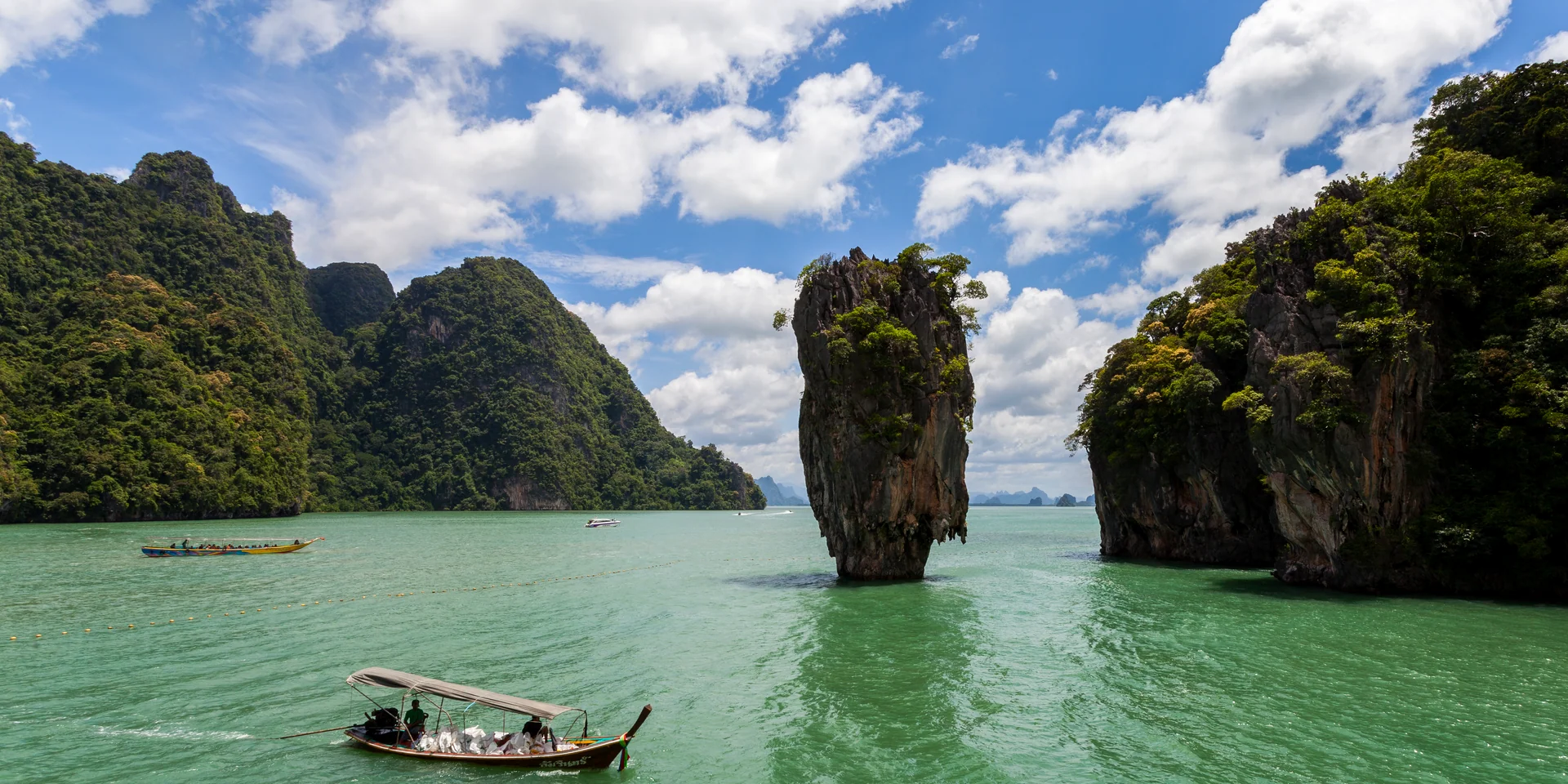
Thailand attractions range from royal temples beside Bangkok's river to Khmer sanctuaries in Isan, northern mountain gardens and limestone islands in the south. The useful question is which of these places fit your route: a temple walk in Bangkok and a boat trip from Phuket need different bases, transport and weather.
This guide brings together 40 places, grouped geographically rather than ranked. For a shorter first shortlist, consider the Grand Palace, Wat Pho, Wat Arun, Ayutthaya, Sukhothai, Doi Suthep, Doi Inthanon, Phimai, Phang Nga and Railay. Choose among them according to your region; the routes at the end offer local plans for one, two or three days. Information was checked on 14 November 2026.
Before you go
Arriving and travelling onwards.
Check whether your flight uses Suvarnabhumi (BKK) or Don Mueang (DMK). At BKK, the Airport Rail Link station is on level B1 and the line reaches Phaya Thai. DMK has BMTA airport buses and the SRT Red Line; the airport lists bus fares of 30–50 THB. The free shuttle between the airports is for passengers connecting between flights, with proof of onward travel. For intercity trains, use SRT's D-Ticket system and current timetable: fares depend on the train, class and date.
Money and admission.
Prices below are in Thai baht (THB) and, unless stated otherwise, refer to an adult foreign visitor. Keep some cash for small purchases and local transport. At marine parks, check whether your boat package includes the national park fee: admission, boat travel and accommodation can be separate payments. Hours and prices are a dated planning guide; check the operator before a specific visit, especially around ceremonies and seasonal closures.
Weather and clothing.
The Andaman and Gulf coasts have different monsoon patterns, so one beach calendar does not suit the whole country. Check the marine forecast and the particular park's notices before booking a boat. At temples, cover shoulders and knees, follow footwear signs and respect areas reserved for worship. A park being open does not mean every trail, island or bathing area is open.
Bangkok: temples, houses and Chinatown
6 places
The Grand Palace and Wat Pho are neighbouring visits in the historic centre; Wat Arun is across the Chao Phraya. The other stops make a separate city day rather than additions to an already full temple circuit.
Grand Palace and Wat Phra Kaew
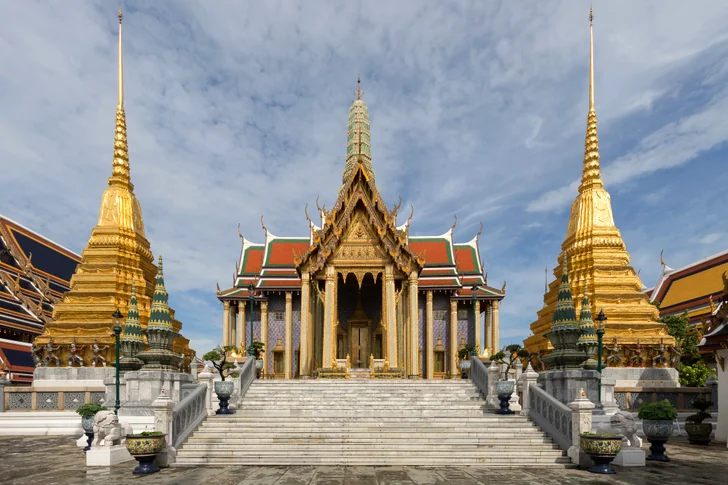
The palace grounds and the Temple of the Emerald Buddha form one visitor complex in Phra Nakhon. This is the place to see royal architecture and an active religious precinct together; admission does not open every palace building. Follow the palace's clothing rules and check for ceremonial changes before setting out.
Wat Pho
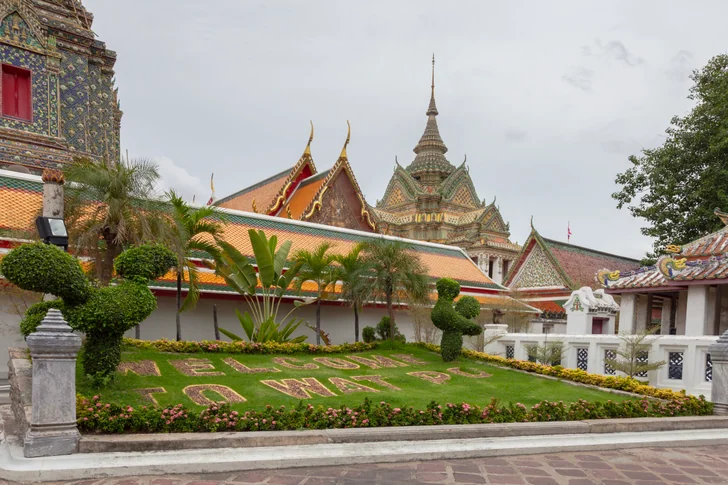
Next to the palace, Wat Pho combines the hall of the Reclining Buddha with courtyards and densely decorated stupas. Give the grounds time as well as the main image: they make this more than a quick indoor stop. The temple visit is separate from paid treatments or classes at the traditional medicine and massage school.
Wat Arun
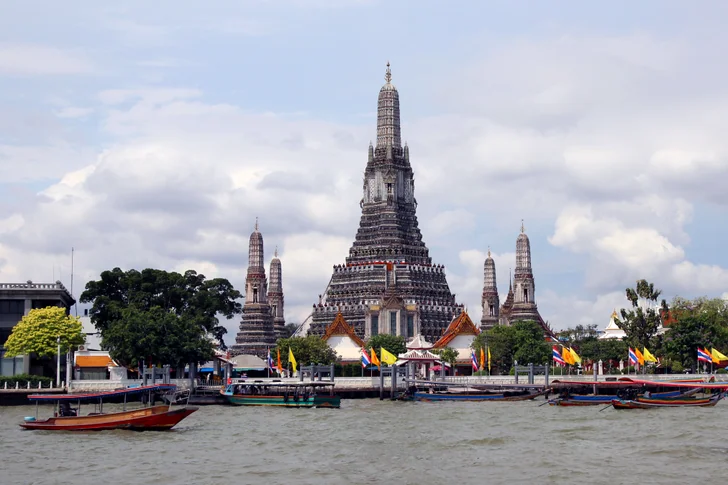
Wat Arun stands on the Thonburi, or western, bank of the Chao Phraya. Its central prang rewards a close look at the ceramic and porcelain decoration as well as a view from across the water. Combine it with the opposite-bank temples, allowing time for the river crossing rather than treating all three as one continuous walk.
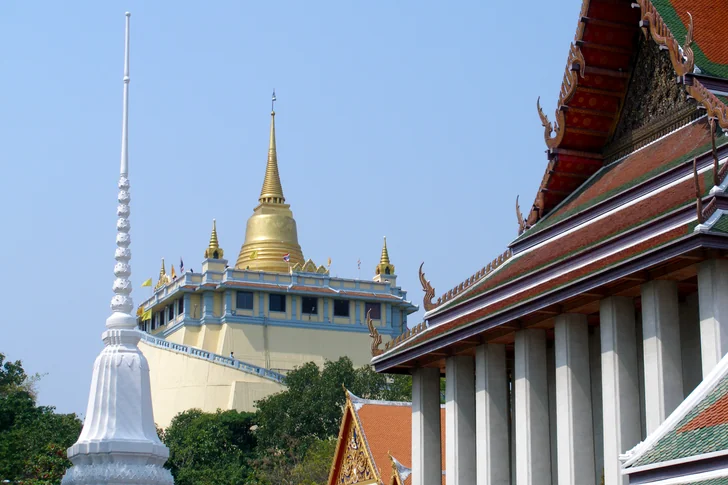
Wat Saket and the Golden Mount
The Golden Mount is an artificial hill crowned by a golden chedi within Wat Saket. Its outdoor ascent offers a different perspective on old Bangkok from the riverfront temples. Plan around the climb and the weather, and check access to the mount itself rather than assuming the temple grounds and the ascent share identical arrangements.
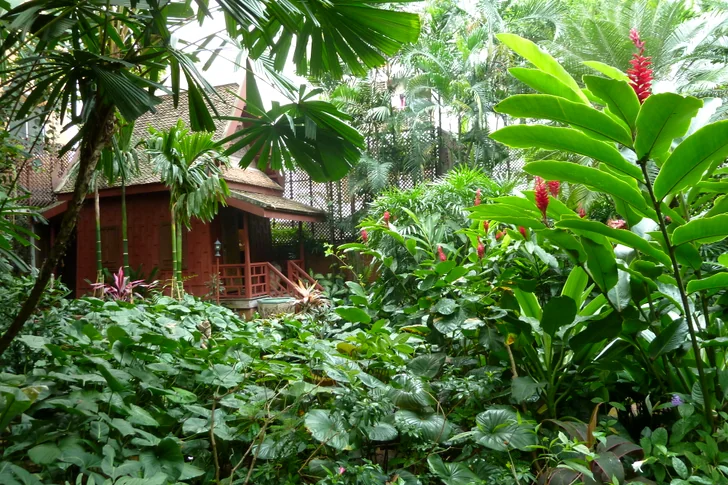
Jim Thompson House Museum
Jim Thompson's former Bangkok home is now a museum, with its houses, garden and Asian art collection forming a quieter visit in Pathum Wan. The main house is visited with a guide, so leave room for the next available tour. The neighbouring Jim Thompson Art Center is a separate institution.
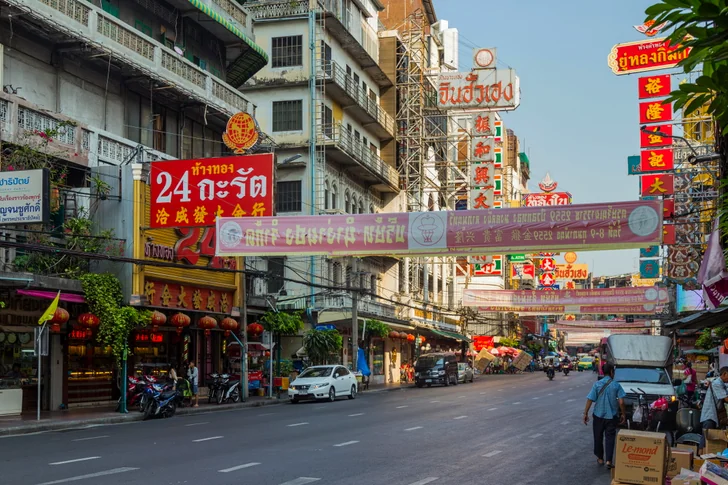
Yaowarat Road
Yaowarat is the main street to explore Bangkok's Chinatown, with shops, religious buildings and food businesses extending into the surrounding streets. It works particularly well as an evening walk, when food vendors set up after the working day. There is no single entrance ticket or universal opening time for the district's restaurants and stalls.
The central plain and western forests
6 places
These places need separate journeys. Ayutthaya can be an excursion from Bangkok; Sukhothai, Si Thep, Kanchanaburi and Khao Yai should be chosen according to your onward route, with transport arranged for each destination.
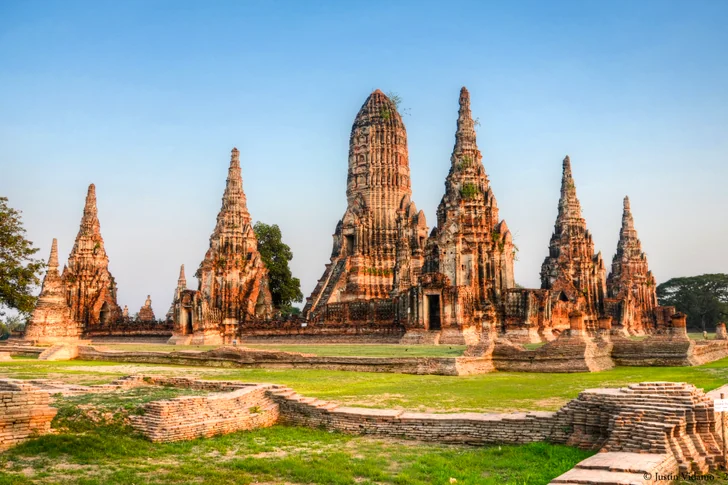
Ayutthaya Historical Park
The former Siamese capital survives as a historic urban landscape, with temple ruins spread through the modern city and its island. Wat Mahathat and Wat Chaiwatthanaram give a useful starting pair, but they are separate monuments rather than rooms behind one park gate. Decide which ruins you want before arranging transport; check individual admissions and SRT trains independently.
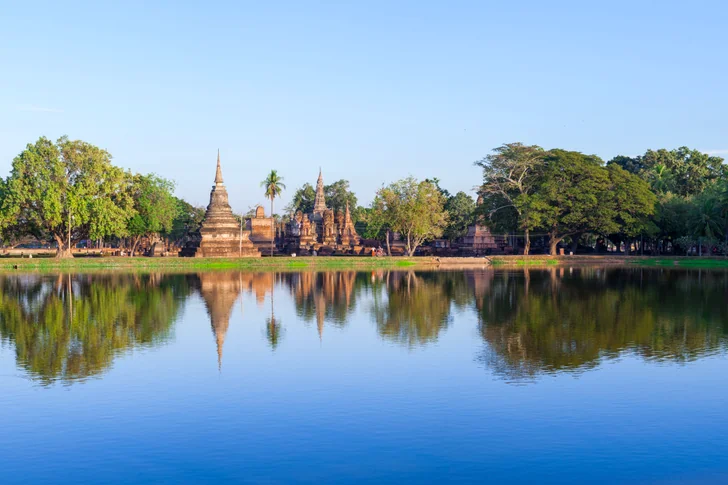
Sukhothai Historical Park
Sukhothai's old capital is a good choice for a visit centred on temple ruins rather than a modern city circuit. Start with Wat Mahathat in the central zone, then decide whether the northern or western monuments justify extending your visit. The UNESCO listing also includes other historic towns, which are separate destinations.
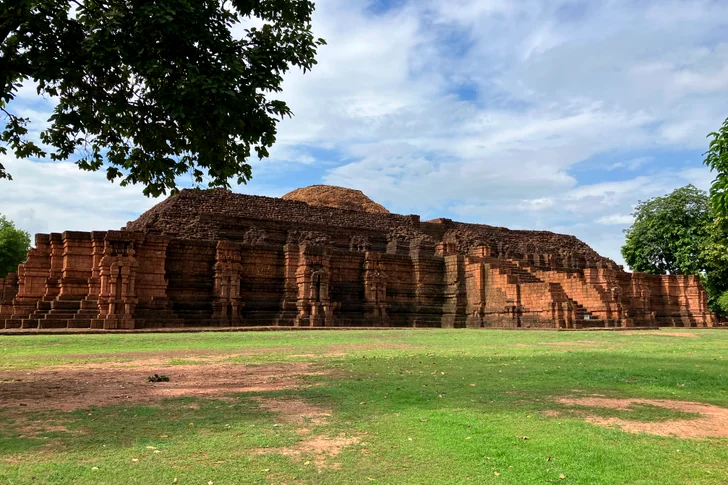
Si Thep Historical Park
Si Thep introduces the Dvaravati archaeological landscape of Phetchabun. Khao Klang Nai lies in the ancient town, while the monumental Khao Klang Nok is a separate site to the north. Allow for movement between the sites rather than expecting both within one courtyard or assuming the park tram covers every outlying monument.
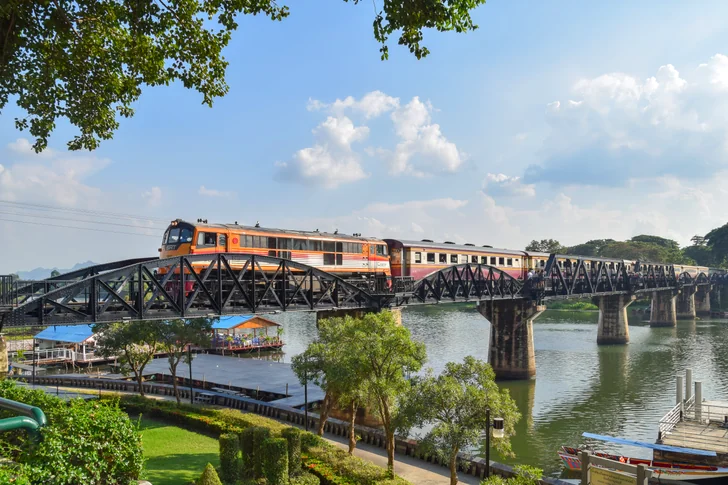
Bridge over the River Kwai
Kanchanaburi's steel bridge is a surviving landmark of the wartime railway, with damaged sections repaired after the Second World War. It remains a working railway crossing, which is important when planning photographs or a riverside visit. Observe railway signals and staff directions, and do not treat the tracks as an unrestricted pedestrian promenade.
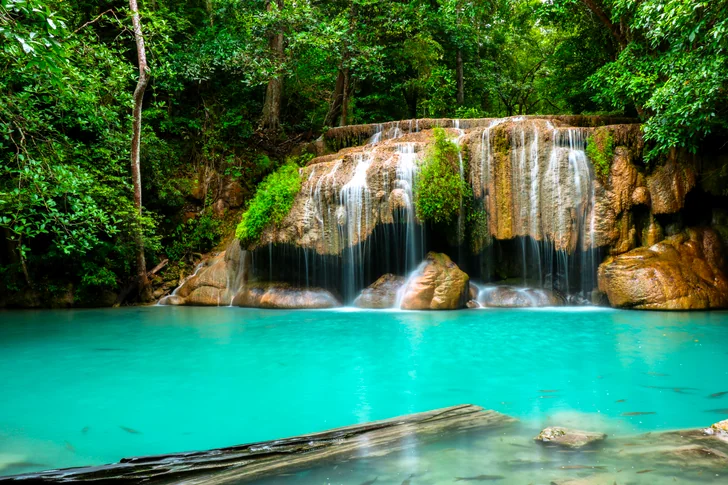
Erawan National Park
Erawan's waterfall descends through seven levels in the forests of Kanchanaburi province. Choose how far to walk according to the trail and water conditions announced that day: reaching every upper level is not an automatic part of admission. An overnight base in the province gives this visit more room than squeezing it around a return journey from Bangkok.
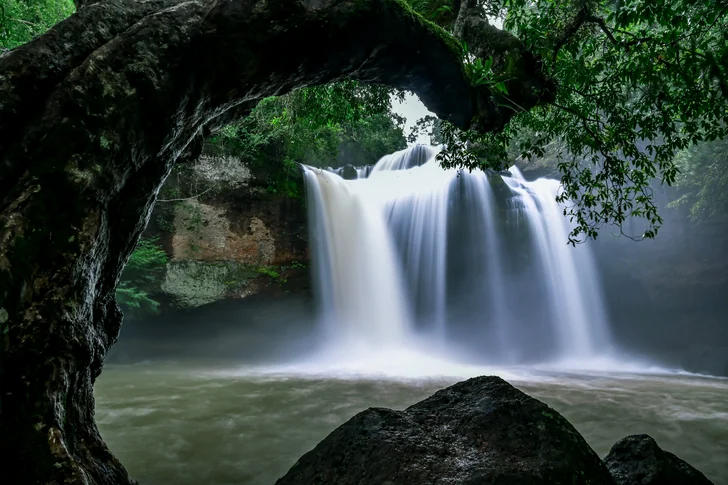
Khao Yai National Park
Khao Yai combines protected forest and waterfalls such as Haew Suwat. Arrange transport inside the park before arriving: the operator says there is no internal public transport service. Ask the visitor centre which trails are open; the long Visitor Center–Haew Suwat trail requires a guide, whereas the short Kong Kaew loop does not. Wildlife sightings are never guaranteed.
Chiang Mai, Chiang Rai and the northern mountains
7 places
Choose a northern base carefully. Chiang Mai's old city and Doi Suthep fit local outings; Doi Inthanon needs a separate mountain day. Chiang Rai, Doi Tung and Pai belong to other journeys rather than a hurried extension of that same day.
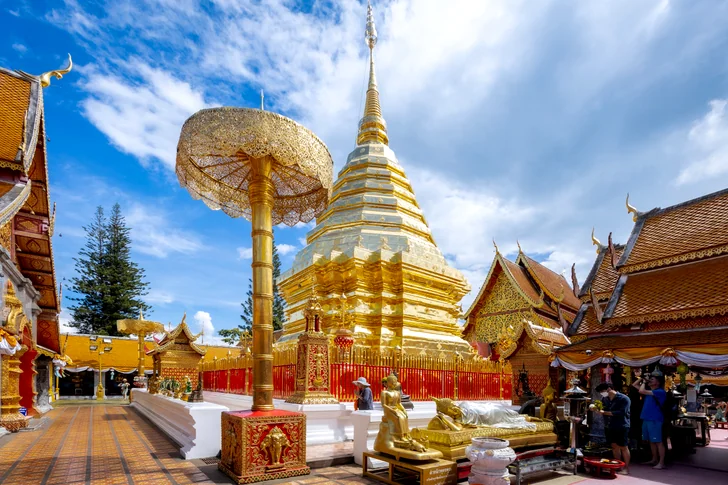
Wat Phra That Doi Suthep
The golden chedi of Doi Suthep stands above Chiang Mai in its mountain temple precinct. Visit for the religious setting and the contrast with the old city's streets, leaving time for travel up and down the mountain. The chedi is revered as a shrine housing a Buddha relic.
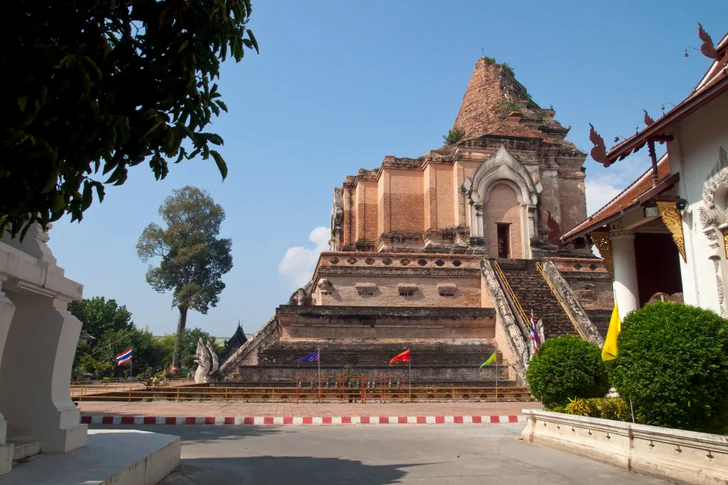
Wat Chedi Luang
The massive chedi makes Wat Chedi Luang an obvious focus for an old-city walk in Chiang Mai. Its present form reflects damage and restoration, rather than an intact medieval tower. Look at the surviving mass of the structure and the surrounding temple grounds, following local notices for access to individual shrines.
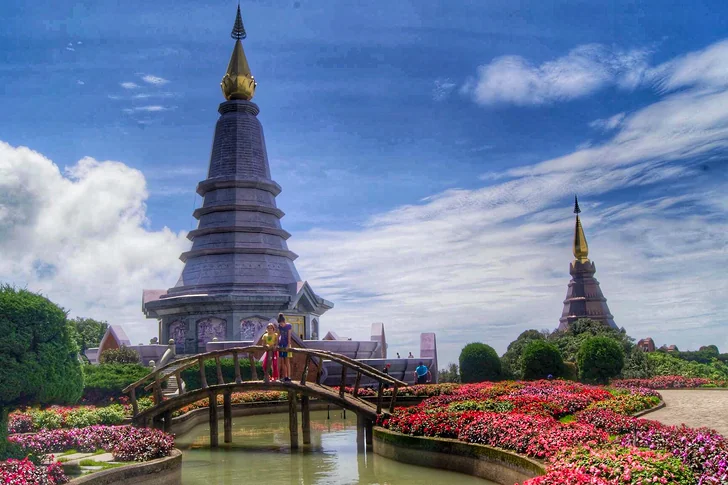
Doi Inthanon National Park
Doi Inthanon is a mountain-road itinerary with several distinct stops. The summit, royal pagodas and nature trails should not be mistaken for one viewpoint reached by a single short walk. Give the park its own day from Chiang Mai, arrange transport and check the current trail notices; park admission and the pagoda complex may have separate charges.
Wat Rong Khun
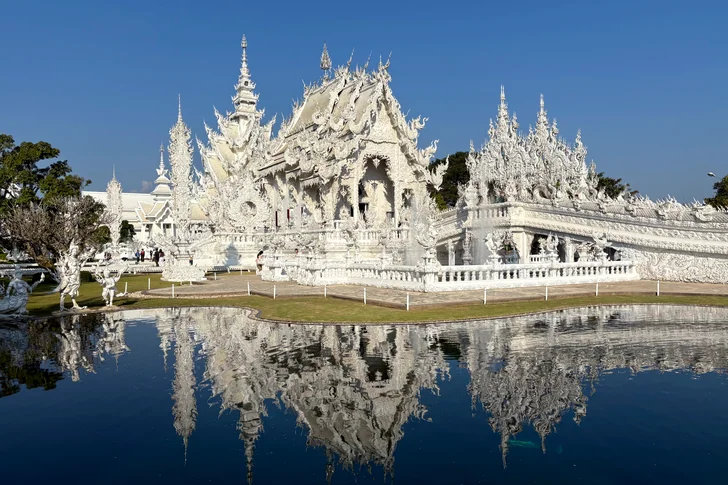
Chiang Rai's White Temple is a contemporary temple and art complex created by Chalermchai Kositpipat. Its white surfaces, mirrored details and exterior sculpture reward slow looking. Approach it as a modern artist's work, allowing time for the outdoor details rather than expecting an ancient archaeological ruin.
Wat Rong Suea Ten
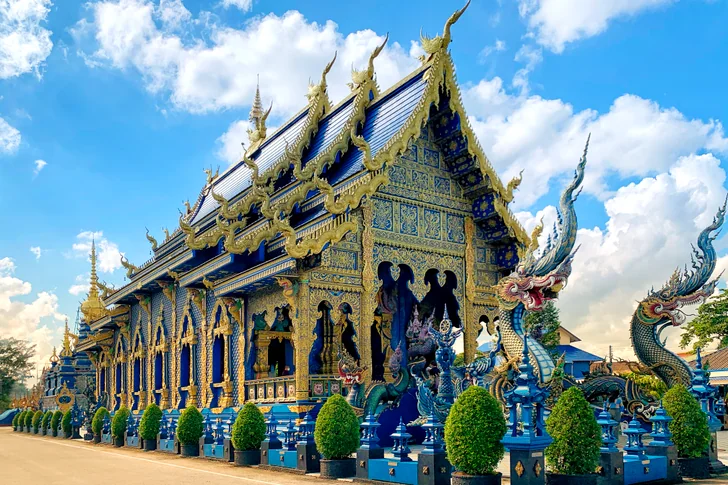
The Blue Temple at Rong Suea Ten offers another view of contemporary religious art in Chiang Rai. Blue tones and elaborate modelling distinguish it from Wat Rong Khun; its decoration is associated with local artist Phuttha Kabkaew. Allow it a separate stop, following the temple's own arrangements for worship and visitor access.
Mae Fah Luang Garden
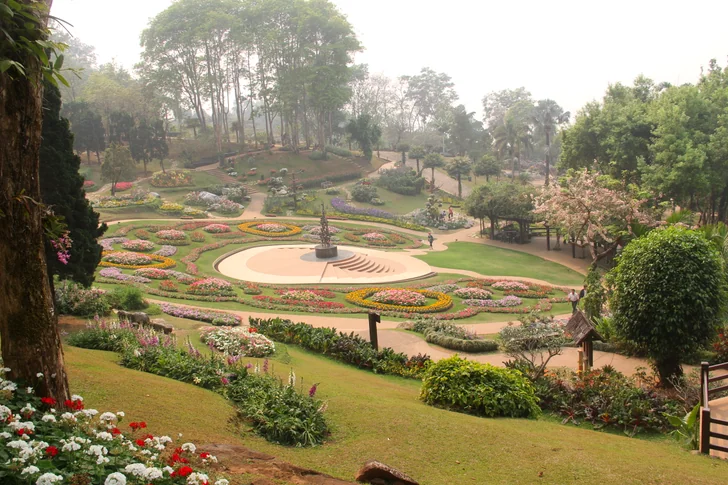
This hillside garden belongs to the Doi Tung Development Project, operated by the Mae Fah Luang Foundation. Flower beds, ferns and orchids make it a different northern outing from temple visits. Check the garden ticket with Doi Tung itself: Mae Fah Luang Art and Cultural Park in Chiang Rai is a separate place with a similar name.
Pai Canyon
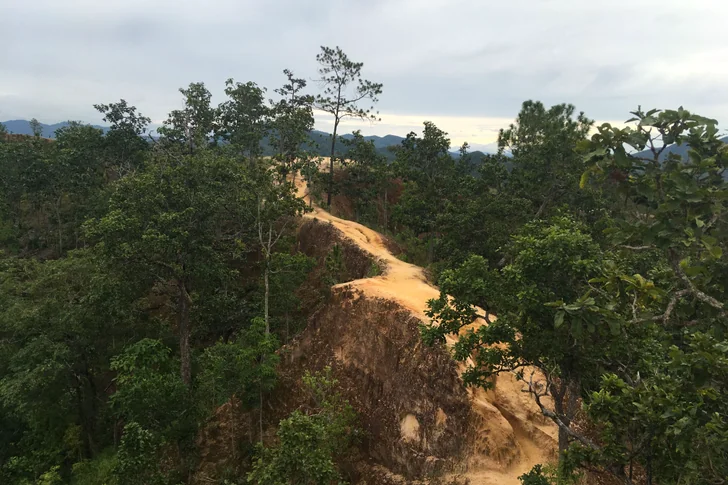
Also called Kong Lan, Pai Canyon is a landscape of eroded earth ridges above the surrounding hills. It suits a viewing stop while staying around Pai, rather than an extra detour during a Chiang Mai temple day. Paths can be narrow and exposed; keep to locally permitted routes and do not cross a ridge merely to reach a photograph.
Isan: Khmer temples and archaeological landscapes
5 places
The northeast offers more than one archaeological tradition. Phimai and Phanom Rung introduce Khmer architecture; Ban Chiang and Phu Phrabat concern different periods and landscapes. Their spread across several provinces calls for separate bases or a longer overland itinerary.
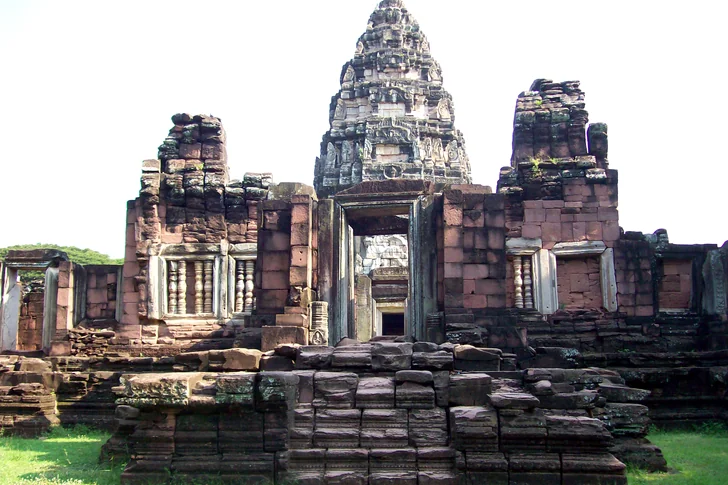
Phimai Historical Park
Phimai, in Nakhon Ratchasima province, preserves a Khmer-period sanctuary associated with the historic route from Angkor. The central temple and its approach make a focused visit in the town. The historical park and Phimai National Museum are separate visits; check the park's admission directly, since Fine Arts Department publications give different foreign tariffs.
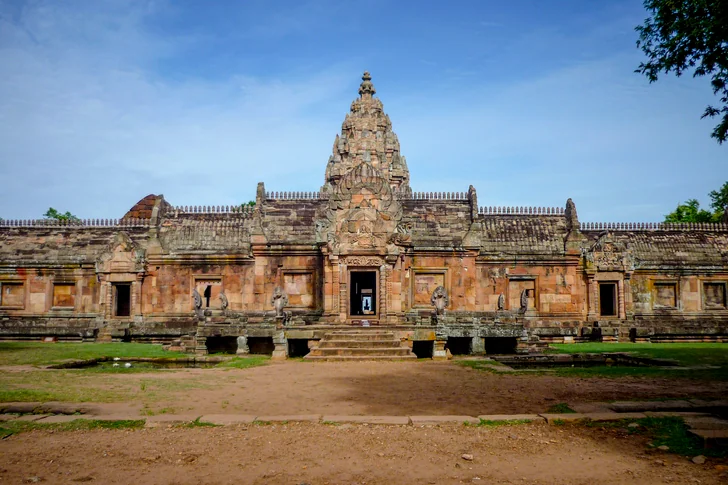
Phanom Rung Historical Park
A ceremonial approach leads towards this Khmer sanctuary on an extinct volcanic hill in Buriram. Follow the progression of the approach and temple spaces rather than visiting only for a distant photograph. Phanom Rung and nearby Muang Tam are separate sites; confirm the ticket you need instead of assuming one admission includes both.
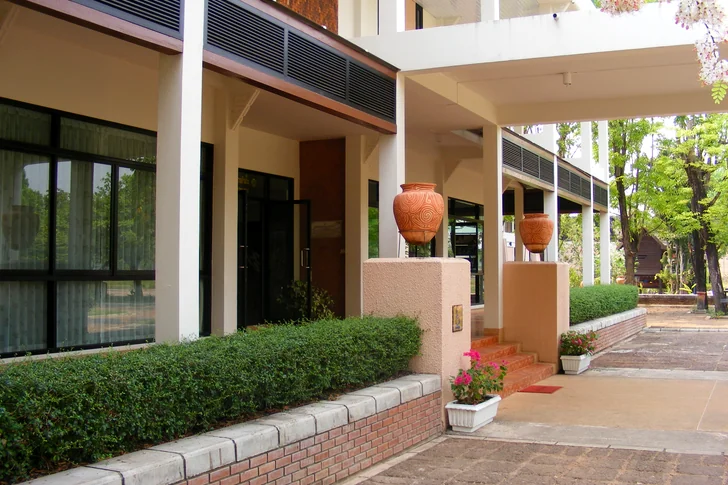
Ban Chiang Archaeological Site
Ban Chiang, in Udon Thani province, matters for evidence of prehistoric farming and metalworking. The national museum provides a way to understand the settlement and its archaeological finds. If you also want to see the Wat Pho Si Nai excavation area, ask the museum about access; do not assume that an excavation visit is included automatically.
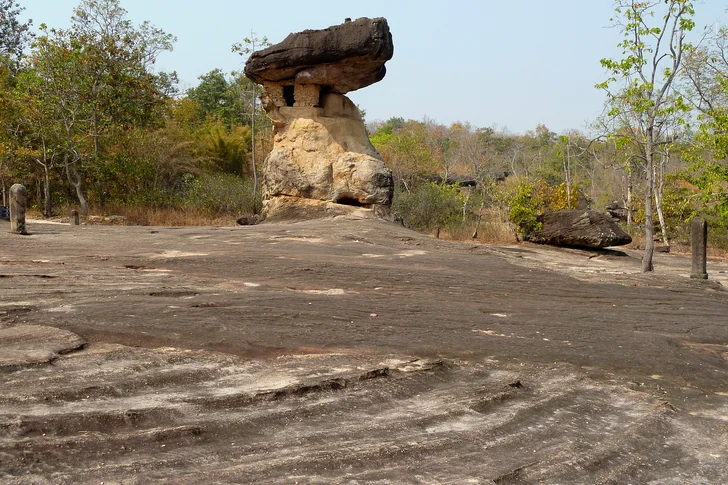
Phu Phrabat Historical Park
Here, sandstone shelters and Buddhist boundary stones belong to the same cultural landscape. Walking between the rock formations helps explain why the site cannot be reduced to one shrine or building. UNESCO inscribed it in 2024 for its testimony to the Dvaravati Sima stone tradition; it is distinct from the nearby Phra Phutthabat Bua Bok temple.
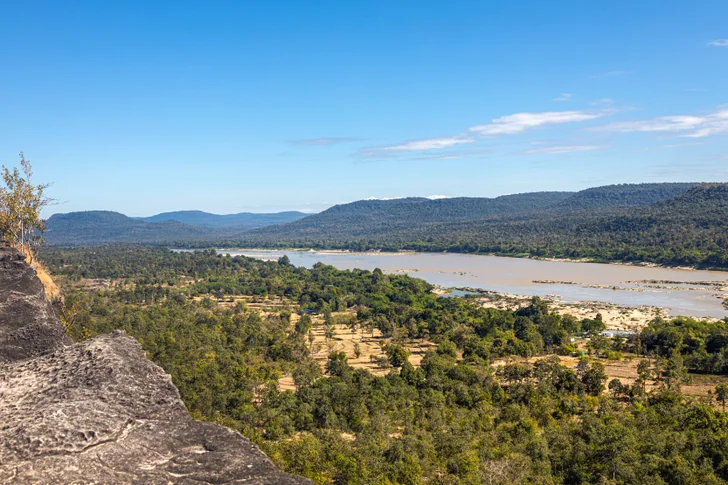
Pha Taem National Park
Pha Taem combines cliffs above the Mekong, prehistoric rock paintings and formations such as Sao Chaliang in Ubon Ratchathani. Decide whether your priority is the landscape or the rock-art route, and ask the park which sections are accessible before travelling. Access to the path below the cliffs was not confirmed at the date of this guide.
Phuket, Krabi and the Andaman coast
9 places
This section covers several bases: Phuket, Phang Nga, Krabi, Ko Lanta and the Khao Sok area. Choose boat excursions from a suitable departure point and allow for seasonal restrictions. These nine places are options for different journeys, rather than one continuous coastal day trip.
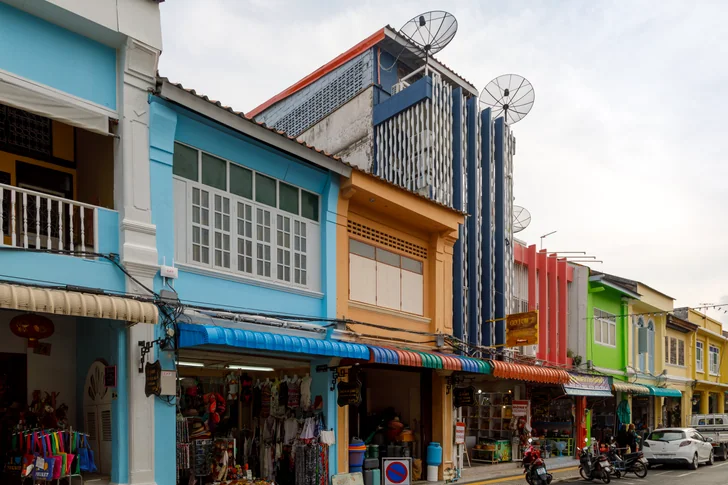
Phuket Old Town
Walk Thalang Road and Dibuk Road for the old town's rows of shophouses and Sino-European façades. They reflect Phuket's trading and tin-mining history, giving an island visit a city chapter away from the beach. These are public streets with individual businesses; TAT lists the Sunday walking-street market on Thalang Road from 16:00 to 22:00.
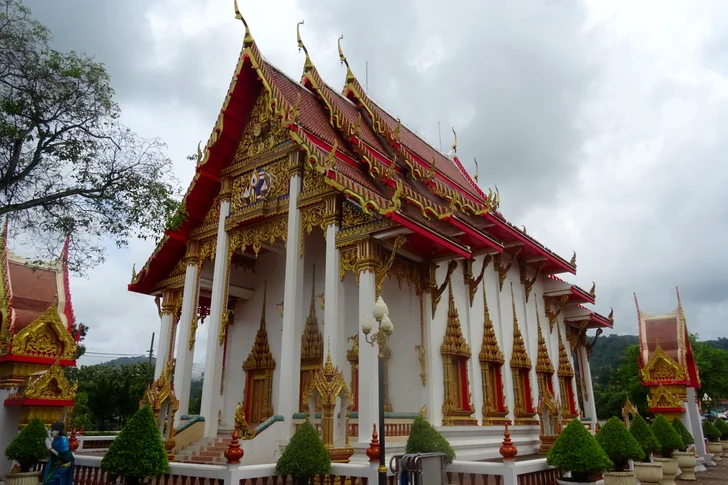
Wat Chalong
Also called Wat Chaiyathararam, Wat Chalong is a religious centre associated with the revered monks Luang Pho Chaem and Luang Pho Chuang. Visit for the temple complex and its continuing role in local worship, following the general temple etiquette described above. Plan transport separately from an old-town walk; this is another stop on Phuket.
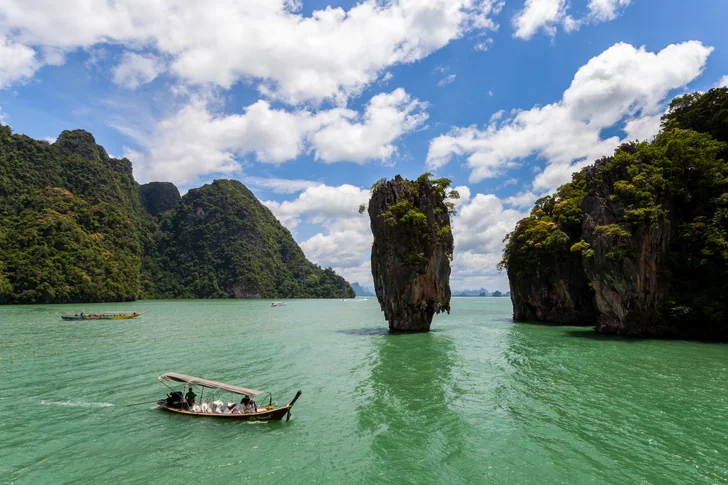
Ao Phang Nga National Park
Limestone islands and mangrove shores shape Phang Nga Bay. Ko Tapu is the narrow rock rising from the water beside Khao Phing Kan, where visitors view it from the shore or a boat. Arrange a route from a suitable mainland pier and check the stops in your booking, rather than assuming every bay excursion follows the same course.
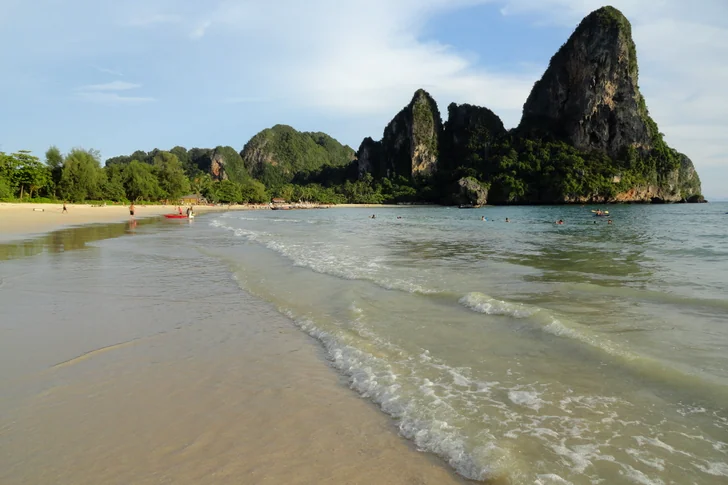
Railay Beach
Railay is a peninsula on the Krabi coast, reached by boat because cliffs separate it from the road network. Railay West, Railay East and Phra Nang are different parts of its shoreline, so check where your boat lands. Allow for sea conditions when planning arrival and departure, and arrange your return boat before settling in for the day.
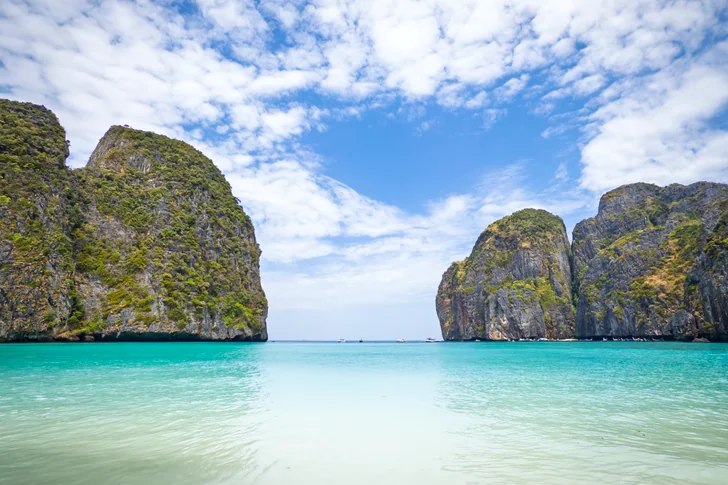
Maya Bay
Maya Bay lies on Ko Phi Phi Leh within Hat Noppharat Thara–Mu Ko Phi Phi National Park. Visit for the beach and enclosing limestone walls, following the park's controlled access arrangements. Swimming is prohibited. The announced August–September 2026 closure period has ended, but confirm the current visit arrangements before booking a boat.
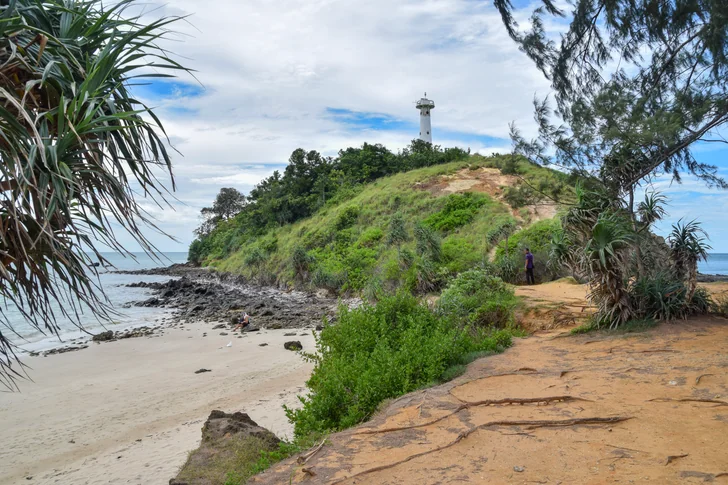
Mu Ko Lanta National Park
For a visit based on Ko Lanta Yai, focus on Laem Tanod at the island's southern tip, with its lighthouse and coastal scenery. This part of the national park is reached by road on the island. Seasonal restrictions on distant islands do not automatically describe the southern cape, so check the specific area you intend to visit.
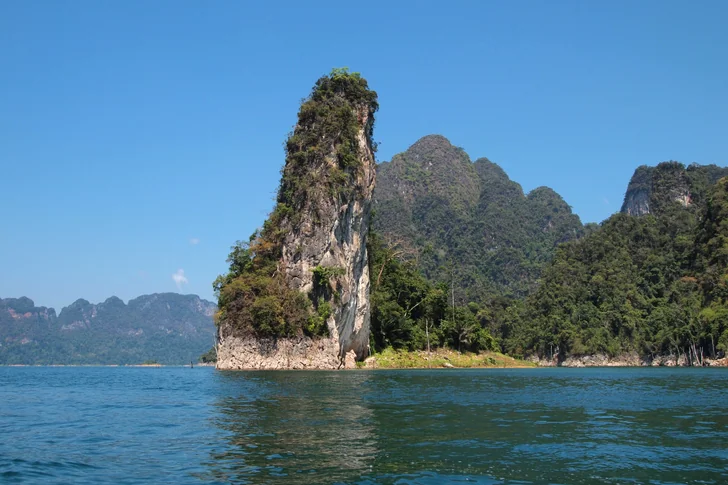
Cheow Lan Lake, Khao Sok
Cheow Lan is the Rajjaprabha reservoir in Ban Ta Khun, where water and limestone scenery form a different Khao Sok outing from the forest headquarters at Khlong Sok. Choose your departure point with that distinction in mind. Boats and floating accommodation are separate services, and their inclusion in a package should be clear before payment.
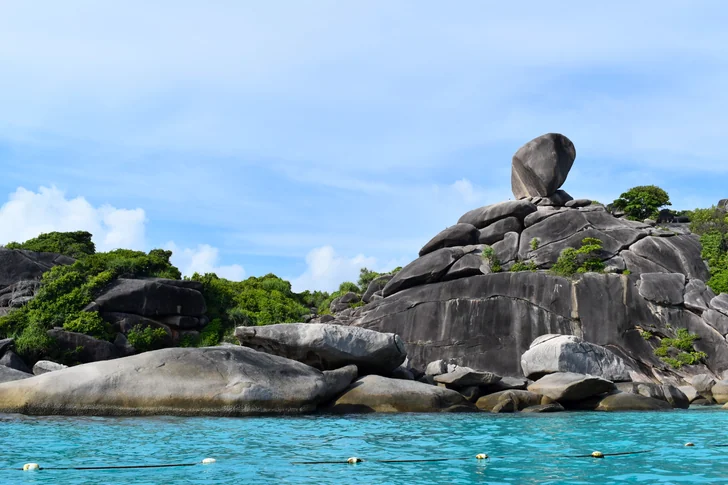
Mu Ko Similan National Park
The Similan Islands offer beaches and granite boulders offshore from Phang Nga, with mainland departures through Thap Lamu. DNP announced the start of the 2026/27 season on 15 October. Plan a day visit: TAT states that overnight stays on the islands are not permitted. Have the operator confirm the permitted route and admission arrangements for your date.
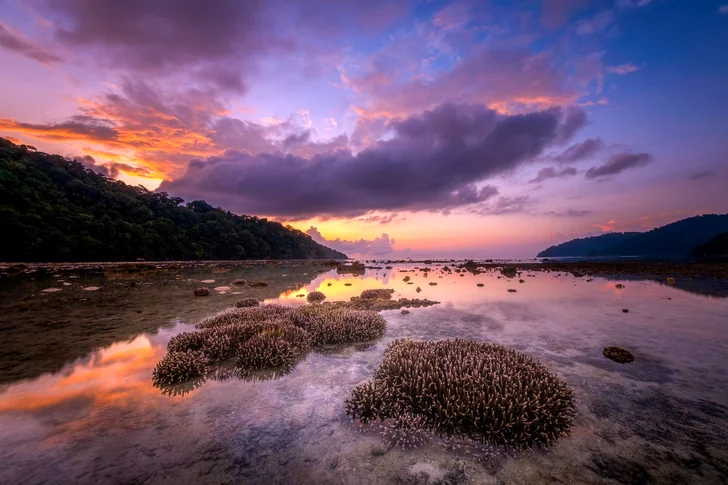
Mu Ko Surin National Park
Surin Nuea and Surin Tai are the main islands of an archipelago with coral reefs and snorkelling areas spread between its islands and bays. Choose a route according to the reef stops you want to visit, without expecting wildlife sightings on demand. DNP announced the season's start on 15 October 2026; arrange a day excursion or longer stay under Surin's own booking rules.
The Gulf coast and eastern islands
7 places
These stops are spread between Prachuap Khiri Khan, the Surat Thani islands and the eastern seaboard. Ko Samui, Ko Tao, Ko Samet and Ko Chang require different transfers; select one area for a short stay rather than trying to link every island.
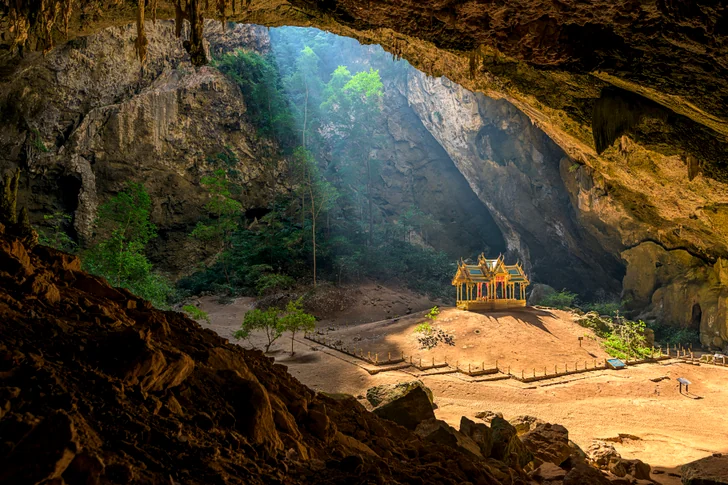
Phraya Nakhon Cave
In Khao Sam Roi Yot National Park, a royal pavilion stands beneath an opening in the cave roof. Reaching Laem Sala Beach by boat, when boats operate, still leaves the uphill walk to the cave. Choose this outing for the cave and pavilion together; the shaft of sunlight seen in photographs depends on the time and weather.
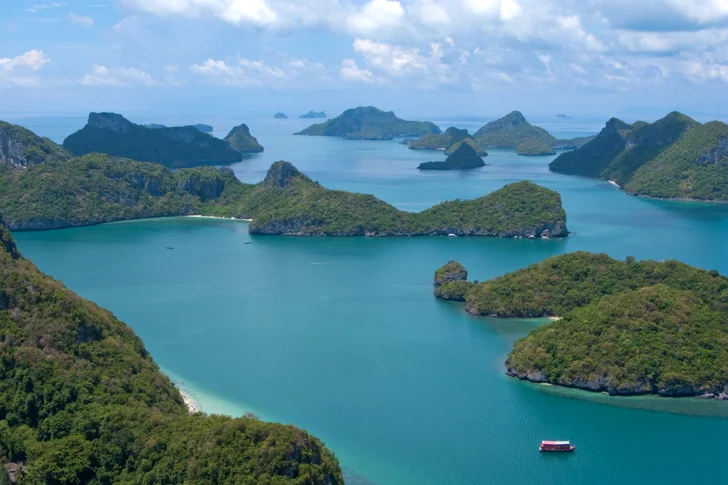
Mu Ko Ang Thong National Park
Ang Thong's islands include the viewpoint on Ko Wua Talap and the inland Emerald Lake on Ko Mae Ko. These are different stops, so compare the route as well as the price when choosing a boat excursion. The park is seasonally closed in November, including the date of this guide; consult the current DNP notice before booking.
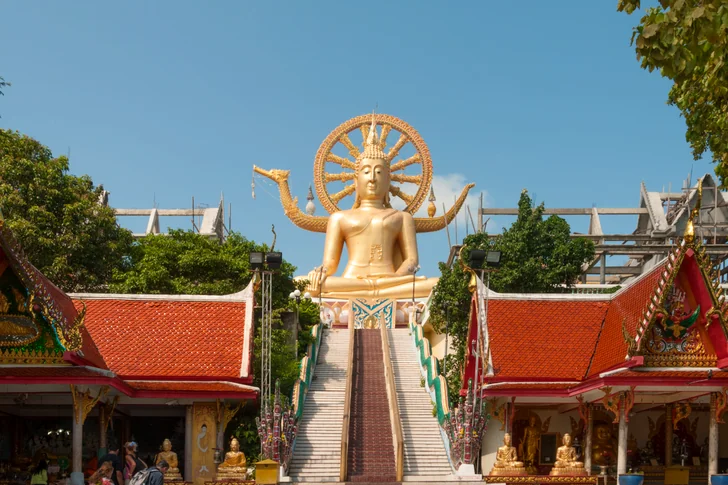
Wat Phra Yai, Ko Samui
Samui's Big Buddha temple stands on Ko Fan, a small island connected to the northeastern coast by a causeway. It offers a local temple visit while staying on Samui, without a separate offshore excursion. Use the full name when arranging transport: several other Thai destinations also have a place called Big Buddha.
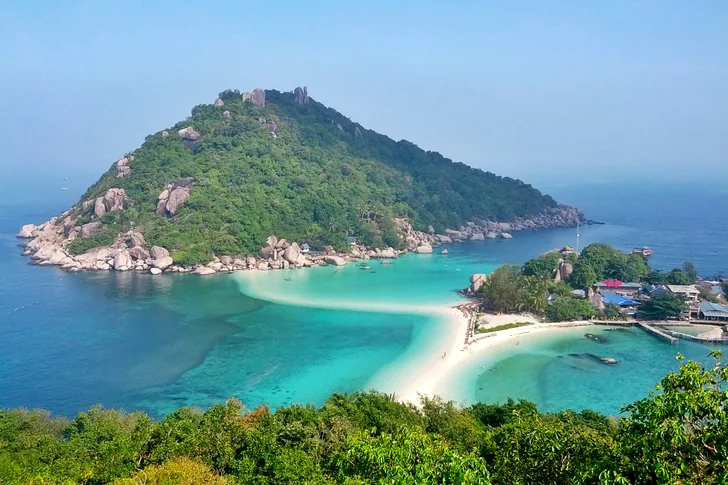
Ko Nang Yuan
Three small islands linked by sandbars create Ko Nang Yuan's recognisable outline near Ko Tao. It is a separate boat visit, with visitor arrangements managed by Nangyuan Island Dive Resort. Check access, admission and your return boat directly before leaving; reaching Ko Tao does not itself include entry to these islands.
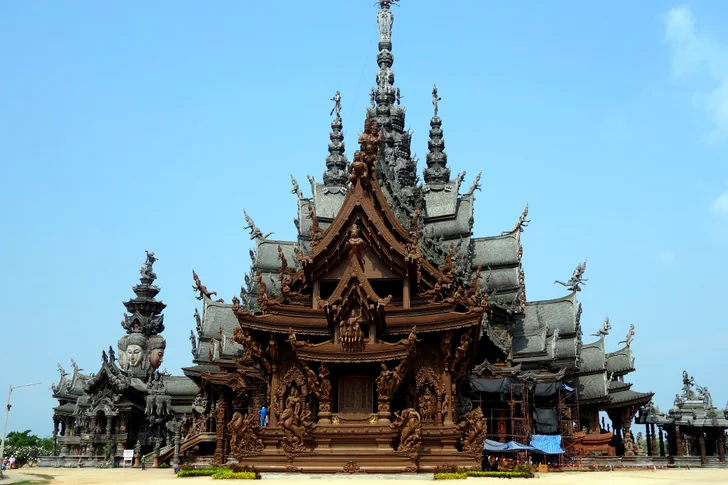
Sanctuary of Truth
This wooden architectural project in Pattaya combines a museum visit with a building where work continues. Look at the exterior silhouette as well as the carved structure, and follow the required helmet rule inside. Choose the daytime or evening programme deliberately, since they have different tickets.
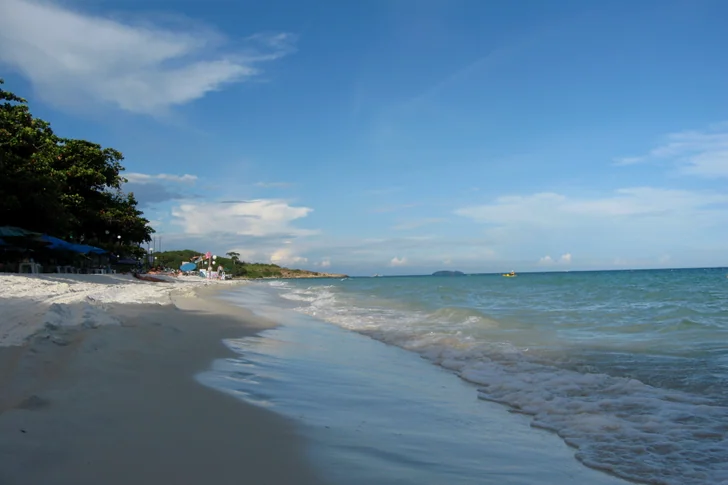
Sai Kaew Beach, Ko Samet
Sai Kaew is a white-sand beach on Ko Samet in Rayong province, within Khao Laem Ya–Mu Ko Samet National Park. It is a choice for a beach stay on that island, with the sea crossing and park arrangements to organise separately. Specify Ko Samet when searching or booking: the name Sai Kaew is also used on the mainland.
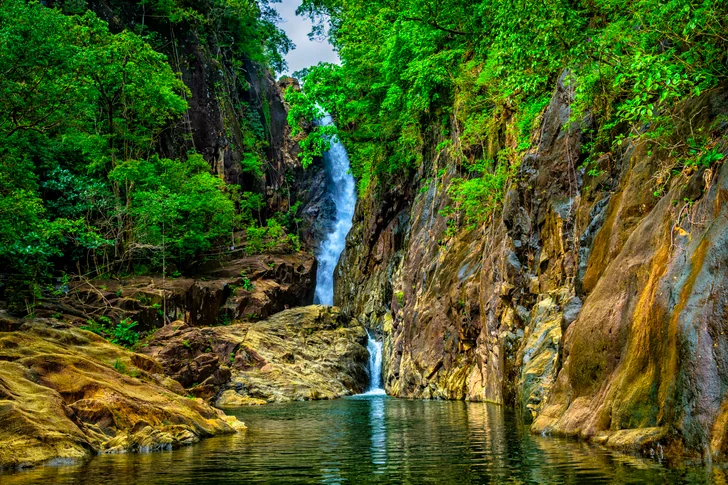
Khlong Phlu Waterfall
Khlong Phlu brings a freshwater and forest outing to a stay on Ko Chang. The waterfall lies in Mu Ko Chang National Park and is reached from the island's landward entrance to this sector. Ask about current trail and water conditions at the park post rather than assuming an island-wide boat ticket covers the waterfall visit.
Where to go in the evening
In Bangkok, Yaowarat is a natural food-focused evening after the temples, with individual stalls and restaurants keeping their own hours. On Phuket, walk the old-town streets or plan around Thalang Road's Sunday market. In Chiang Mai, leave an evening for the old city after a local temple day. These are separate ideas for whichever base you choose; a mountain excursion or boat return may leave less time than expected.
What to see in 1, 2 or 3 days
One day in Bangkok: begin with the Grand Palace and Wat Phra Kaew, continue to neighbouring Wat Pho, then cross the river for Wat Arun. Check the crossing and temple admission before starting. Yaowarat is an optional evening if you still have time and energy; the Golden Mount and museum can wait for another day.
Two days in Bangkok: keep the riverside circuit for the first day. Use the second for Jim Thompson House and Wat Saket, with Yaowarat afterwards. If ancient ruins are your priority, replace the second day with an Ayutthaya excursion, selecting a manageable number of temples and checking the return train. Do not add Ayutthaya to the full city itinerary.
Three days based in Chiang Mai: spend the first on the old city and Wat Chedi Luang, the second on Doi Suthep, and the third on a separately organised Doi Inthanon outing. Check which mountain stops and trails are open before fixing that day. Chiang Rai and Pai need their own travel time and are not additions to this plan.
A separate three-day Phuket option: use one day for the old town and Wat Chalong, another for a booked Phang Nga Bay excursion, and keep the remaining day flexible for local time or weather changes. Choose a different base and a longer trip if your priorities are Railay, the Similan Islands or Cheow Lan Lake.
 Russia

 France
 Montenegro
 Hungary
 Venezuela