
 English
 Español
 Deutsch
 日本語
 Italiano
 Português
 Русский
 简体中文
 한국어
 Polski
 ภาษาไทย
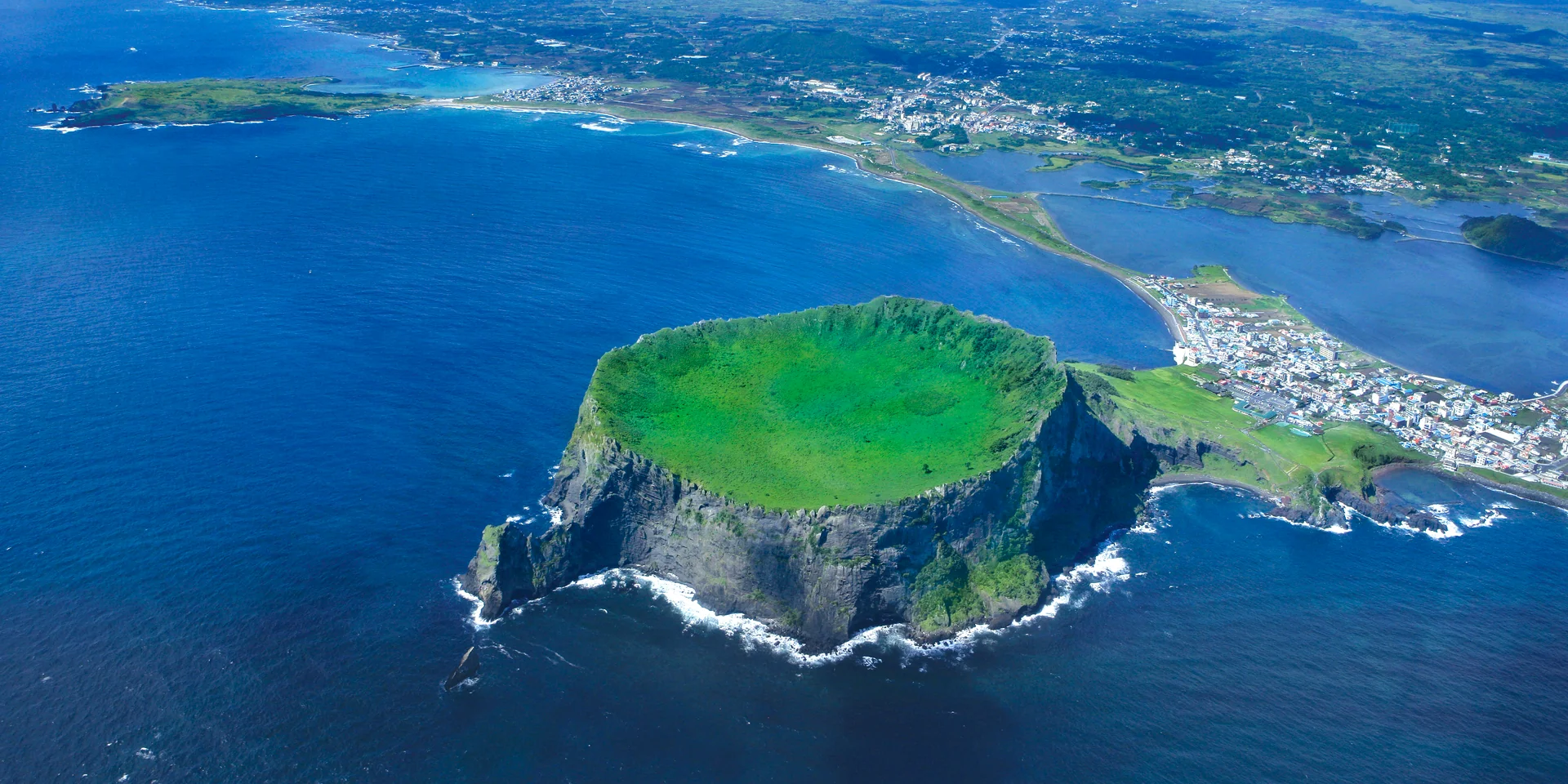
South Korea attractions range from royal courtyards in Seoul to Silla burial mounds, working tea fields and volcanic landscapes on Jeju. This selection of 20 places combines historic architecture with mountains and coast, grouped by region so you can choose a useful base. Seoul is the capital of the Republic of Korea, the country's official name.
A short visit calls for choices: three days in the capital region are different from a journey through the mainland and on to Jeju. Below are practical details for each place and regional itineraries. Information was checked against official sources on 5 November 2026; where published prices conflict, the relevant booking or visitor page is linked instead.
Before you go
From Incheon Airport, choose between the AREX Express to Seoul Station and the All-stop service, which also calls at Hongik University and Gongdeok. Your accommodation matters more than simply choosing the fastest train to its terminus. In Seoul, a rechargeable T-money card is useful for buses and the subway; the adult subway base fare is ₩1,550 with a transport card, with distance supplements possible. Tap in and out for the applicable transfer fare.
For longer journeys, book the specific intercity train or bus your route needs. KTX connects Seoul, Gyeongju and Busan; include the station-to-accommodation connection in your planning. Look for Gyeongju Station when booking: its former name was Singyeongju. Jeju needs a separate island connection; domestic flights operate from Seoul's Gimpo Airport and Busan's Gimhae Airport.
Spring and autumn generally suit walking. Summer is hot and humid, with rain affecting outdoor plans; winter brings cold conditions, especially in the mountains. Keep a weather-dependent hike separate from a fixed flight or long-distance departure. The currency is the Korean won; carry some cash for small vendors alongside your payment card.
Seoul and the capital region
5 places
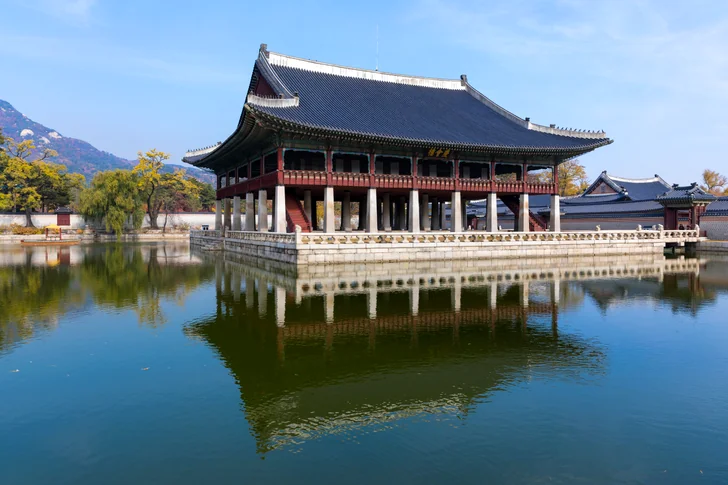
1. Gyeongbokgung Palace
Founded in 1395 as the principal palace of the Joseon dynasty, Gyeongbokgung introduces the scale of royal Seoul through its courtyards and ceremonial buildings. Much of the complex was rebuilt later, so its founding date does not describe the age of every structure. Make this your main palace visit rather than rushing through it between distant city districts.
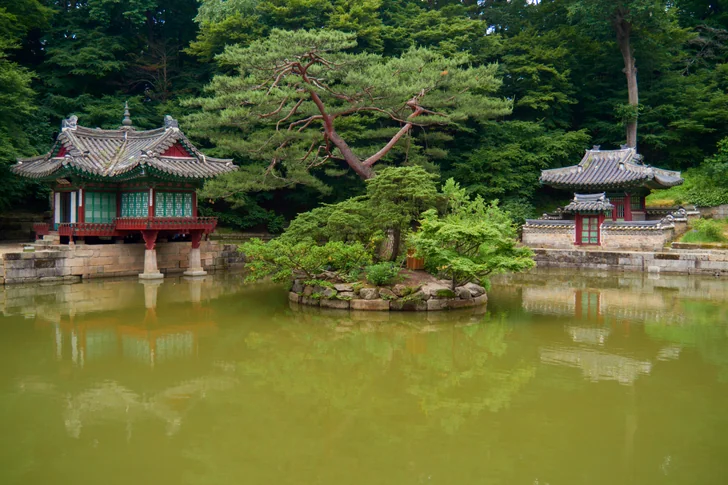
2. Changdeokgung Palace
Changdeokgung's buildings follow the contours of their setting, giving this fifteenth-century palace a different layout from Gyeongbokgung. The Secret Garden, pictured here with a pond and pavilions, requires its own ticket alongside palace admission. Book a garden entry session before arranging the rest of your palace day.
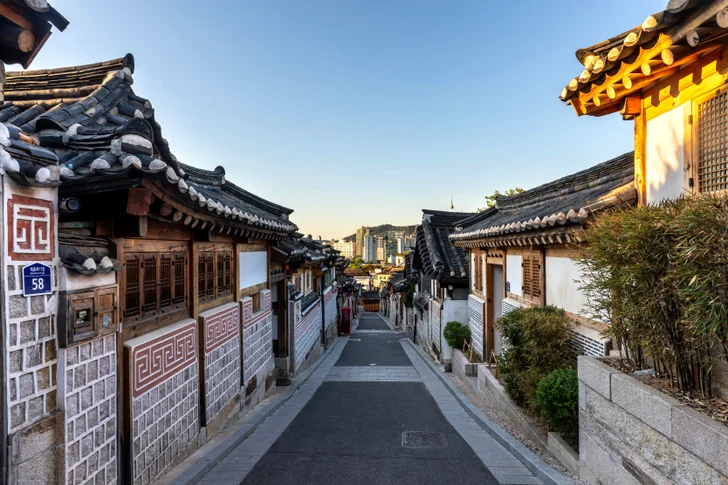
3. Bukchon Hanok Village
Traditional hanok houses fill the lanes between the palaces, but Bukchon remains a residential neighbourhood. Walk quietly, stay out of private courtyards and avoid photographing through doors or windows. Tourist visits to the designated red zone around Bukchon-ro 11-gil are limited to 10:00–17:00; these restrictions do not describe the whole district. Leave the residential sightseeing lanes out of your Sunday itinerary, when they observe a rest day.
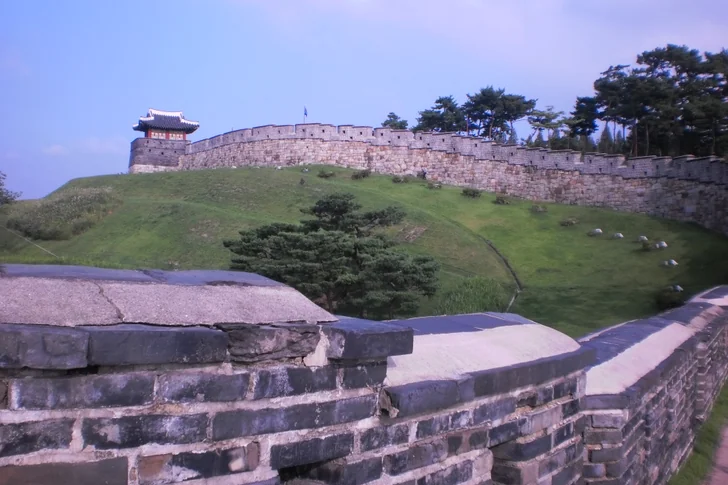
4. Hwaseong Fortress, Suwon
King Jeongjo's late-eighteenth-century fortress follows the terrain around Suwon, with walls and gates forming the basis of a substantial walk. The surviving ensemble includes restoration after wartime damage. Allow Suwon its own day from Seoul so you can follow the walls without turning the visit into a hurried photo stop.
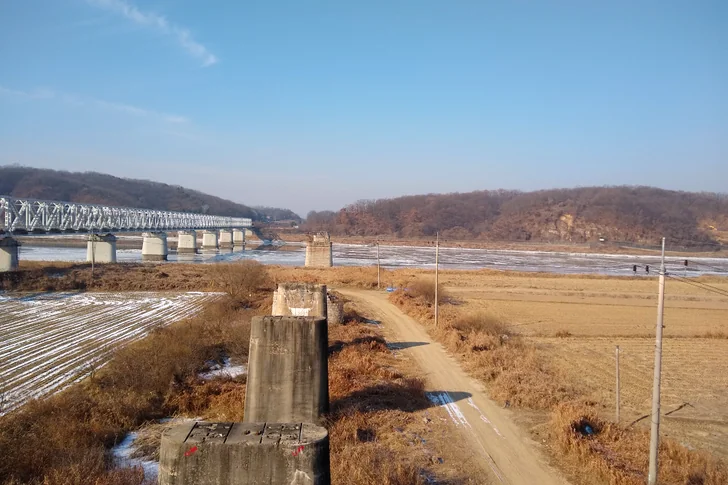
5. Imjingak and the DMZ gateway, Paju
Imjingak is a memorial and visitor complex associated with the division of Korea; the open park can be visited independently. It is outside the Demilitarized Zone, so a visit here does not mean you have entered the DMZ. Sites beyond civilian access controls may require an authorised tour and identification. Arrange any such excursion separately, check access with the operator and leave room for cancellation or changed security conditions.
Gangwon: a mountain base near Sokcho
1 place
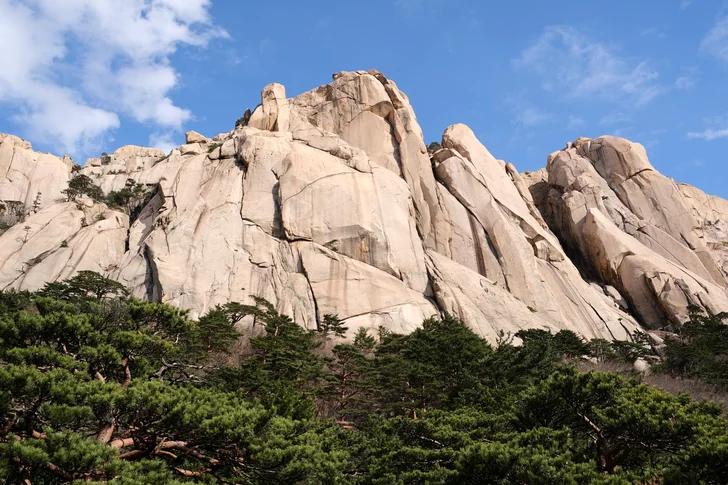
6. Seoraksan National Park
The outer Seorak area approached from Sokcho offers mountain scenery and trails of very different difficulty. Ulsanbawi is a demanding outing in its own right, rather than a short approach to the park's highest summit. Choose your walk for your fitness and the available daylight. The park service publishes seasonal and safety closures, including an autumn 2026 notice: check the open trails before leaving your base.
Gyeongsang: villages, temples and the southeast coast
7 places
Andong, Hapcheon, Gyeongju and Busan are separate destinations. Choose which deserve an overnight stay; this regional group is not a continuous walking route.
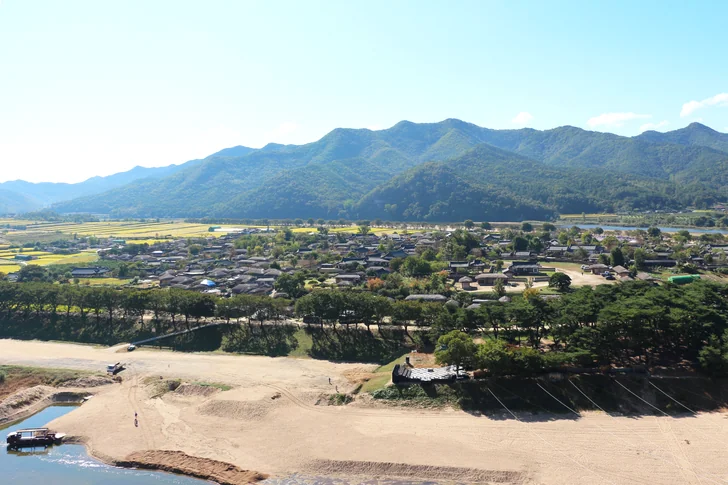
7. Hahoe Folk Village, Andong
Hahoe is a historic clan village beside a bend in the Nakdong River, with houses still used by residents. Its setting matters as much as individual buildings: look at how the settlement fits the river landscape. The panoramic viewpoint at Buyongdae lies across the river and needs separate access planning, rather than a direct stroll through the village.
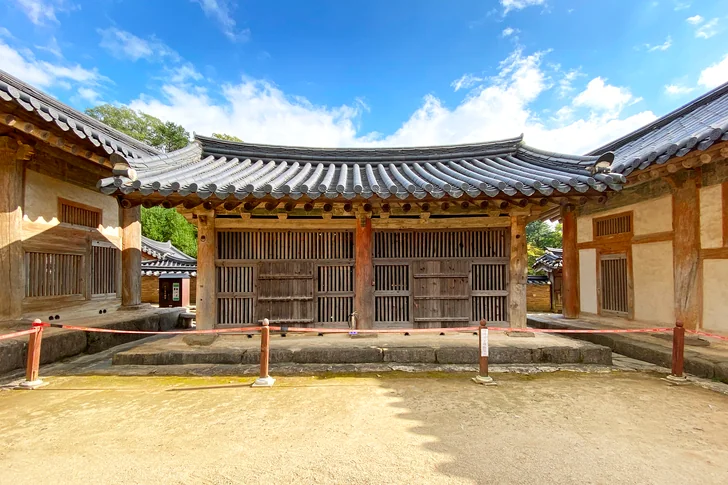
8. Haeinsa Temple, Hapcheon
Haeinsa houses the Tripitaka Koreana, a collection of roughly 80,000 wooden printing blocks made in the thirteenth century. The fifteenth-century Janggyeong Panjeon storage buildings are themselves part of the reason to visit. Plan around seeing the historic exterior: visitor entry to the repositories is restricted to protect the blocks, so independent access inside should not be assumed.
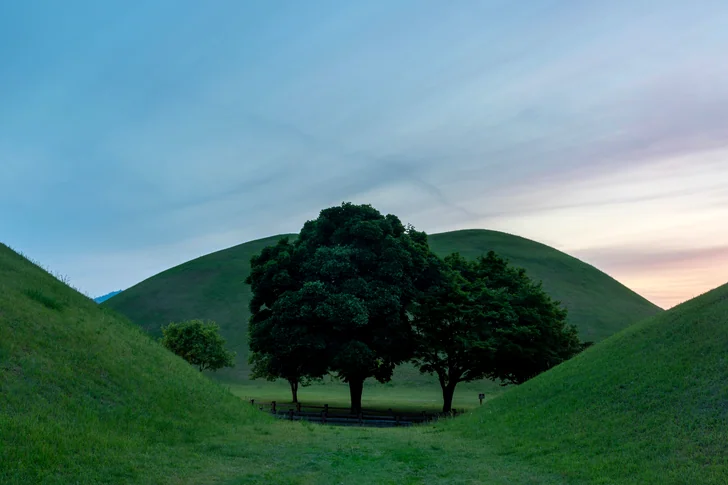
9. Daereungwon Tomb Complex, Gyeongju
The rounded burial mounds at Daereungwon make the Silla past visible in Gyeongju's central landscape. Cheonmachong is the tomb opened for interior visits; the other mounds are not a collection of chambers you can enter. Combine the outdoor grounds with nearby Cheomseongdae for a coherent walk through the historic centre.
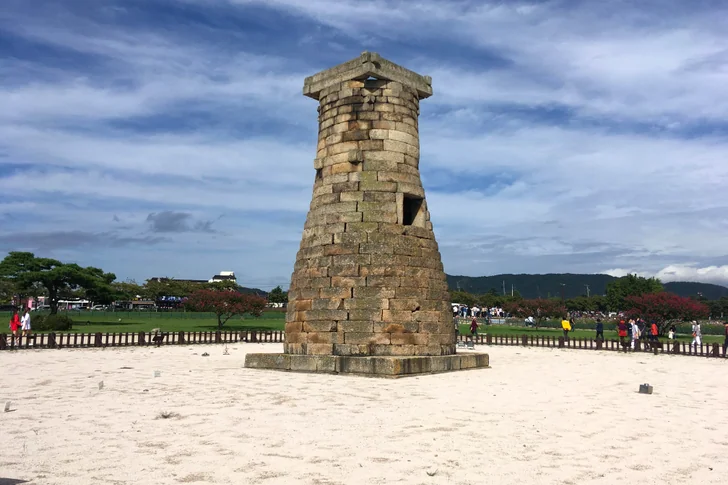
10. Cheomseongdae Observatory, Gyeongju
This stone tower dates to Queen Seondeok's seventh-century reign and is identified as an astronomical observatory. Its modest size makes it a useful counterpoint to the burial mounds: pause to examine its form rather than expecting a building you can tour inside. View it from the surrounding open grounds as part of the same central Gyeongju walk.
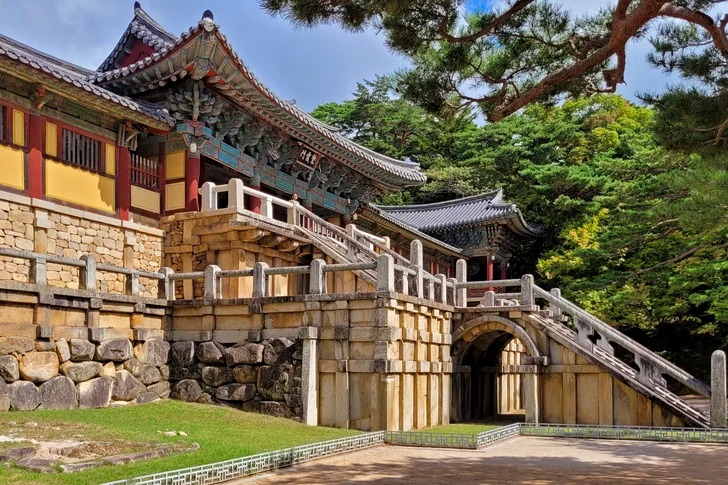
11. Bulguksa Temple, Gyeongju
Bulguksa's stone bridges, stairways and pagodas express the Buddhist culture of Silla. Its wooden halls reflect repeated restoration around these historic stone structures. It lies outside the central walking group; give it a separate excursion rather than slipping it between Daereungwon and Cheomseongdae.
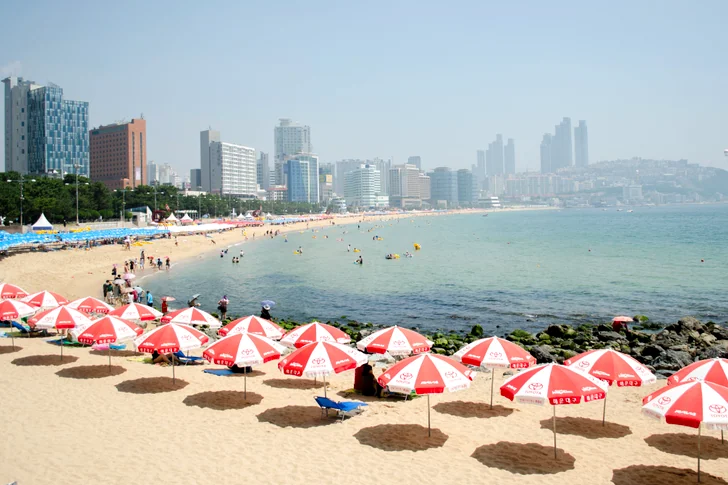
12. Haeundae Beach, Busan
Haeundae offers a long sandy shoreline in eastern Busan, useful for an unhurried coastal walk after the inland historic sites. Walking on the beach is distinct from using its supervised swimming area. Swimming services operate seasonally, so a visit outside summer should be planned around the shore rather than an expectation of lifeguarded bathing.
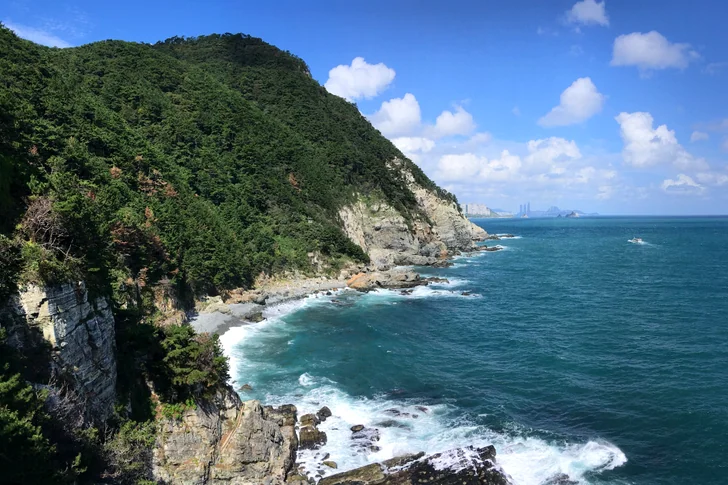
13. Taejongdae, Busan
On Yeongdo, Taejongdae combines pine woodland with sea cliffs and coastal views. Explore on foot or use the optional Danubi train between stops. Haeundae is in another part of Busan: plan a transport journey between them rather than treating the two as neighbouring beaches.
Central and southwestern Korea: choose separate stops
4 places
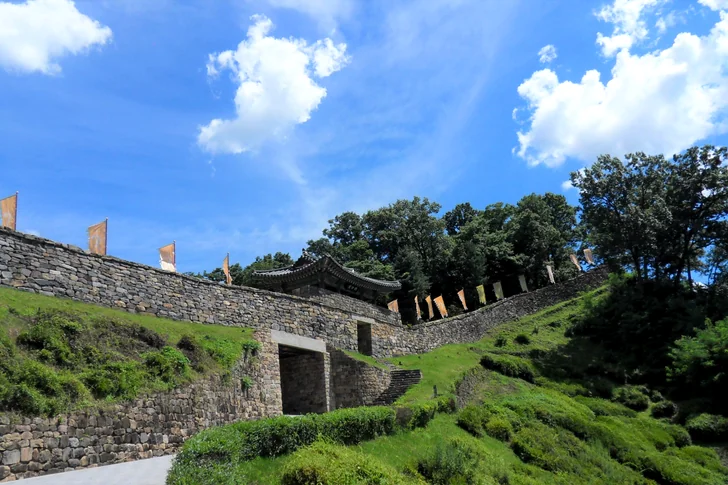
14. Gongsanseong Fortress, Gongju
Gongsanseong belongs to the Baekje Historic Areas and overlooks the Geum River and Gongju. It adds a different former capital to a route otherwise centred on Joseon Seoul and Silla Gyeongju. Walk the hillside walls for views across the river and city, following the contours that shaped the fortress.
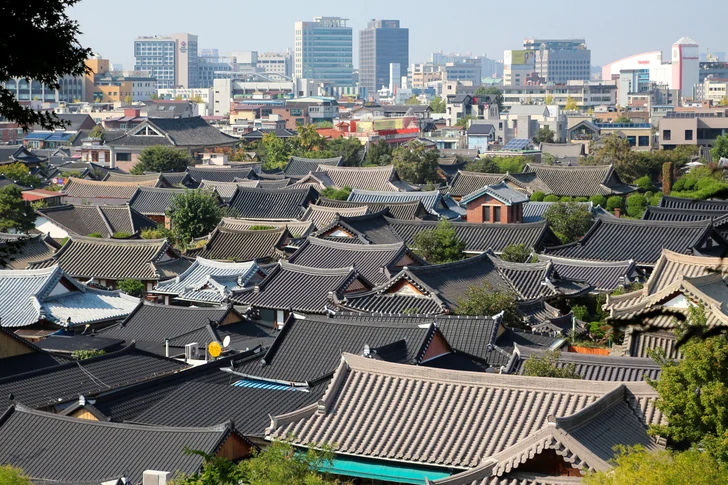
15. Jeonju Hanok Village
Jeonju's hanok district combines traditional roofs and lanes with present-day homes and cultural activities. Treat it as a neighbourhood to explore on foot rather than a museum in which every house has the same age or public access. Individual cultural houses and programmes have their own conditions, and some experiences need advance booking.
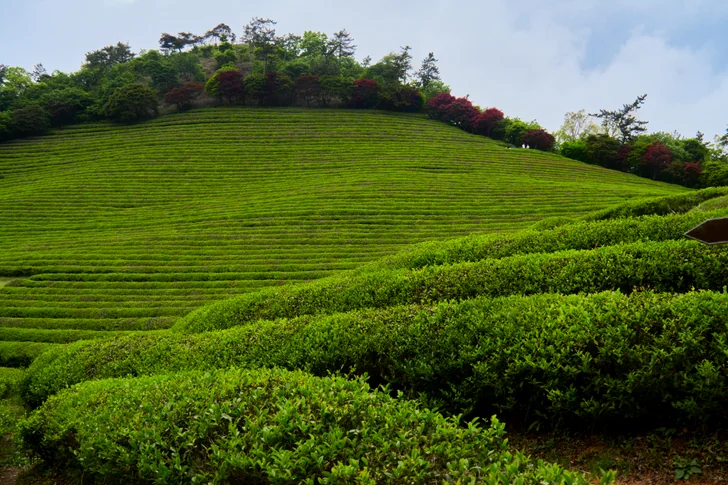
16. Boseong Green Tea Fields: Daehan Dawon
At Daehan Dawon, rows of tea bushes curve along the hillside, approached through a cedar-lined entrance. This is a specific visitor plantation, rather than unrestricted access to every tea field in Boseong. Follow the plantation paths towards its viewpoint; the sight of tea growing does not imply that harvesting or a picking activity will be taking place.
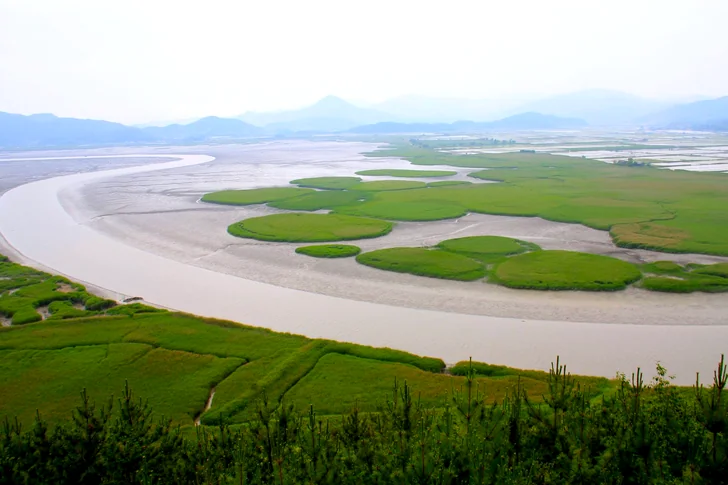
17. Suncheon Bay Wetland
Reed beds, tidal channels and mudflats define this visit, with boardwalks bringing you into the wetland landscape. Suncheon Bay National Garden is a separate attraction with another entrance; make sure your navigation and ticket information refer to the wetland. Allow daylight for the walk instead of relying on a last-minute arrival.
Jeju: volcanoes and a southern waterfall
3 places
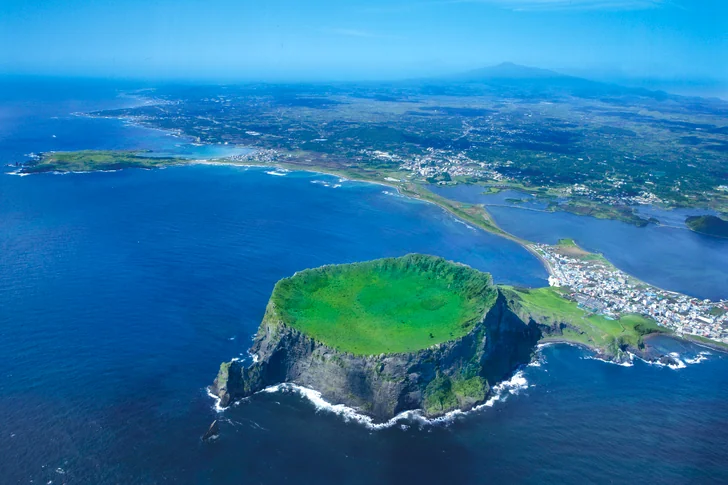
18. Seongsan Ilchulbong
This volcanic tuff cone rising above the sea is one of Jeju's most recognisable landforms. Decide between the paid summit ascent and views from the coast, which offer different experiences. Its association with sunrise does not guarantee that the summit trail will open before dawn on your date.
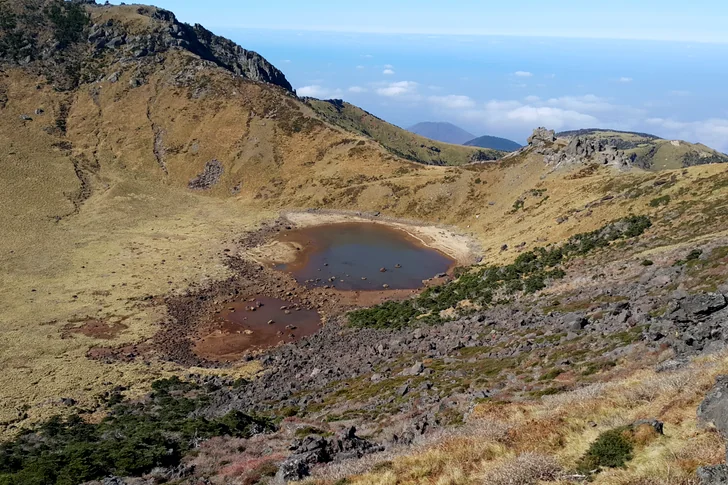
19. Hallasan National Park
Hallasan needs a deliberate choice between a lower mountain walk and the long summit routes to Baengnokdam crater. Seongpanak and Gwaneumsa are the summit trails and require advance reservations. Reserve a full day for a summit attempt, follow seasonal turnaround limits and check weather closures before departure. A shorter trail does not provide an alternative shortcut to the crater.
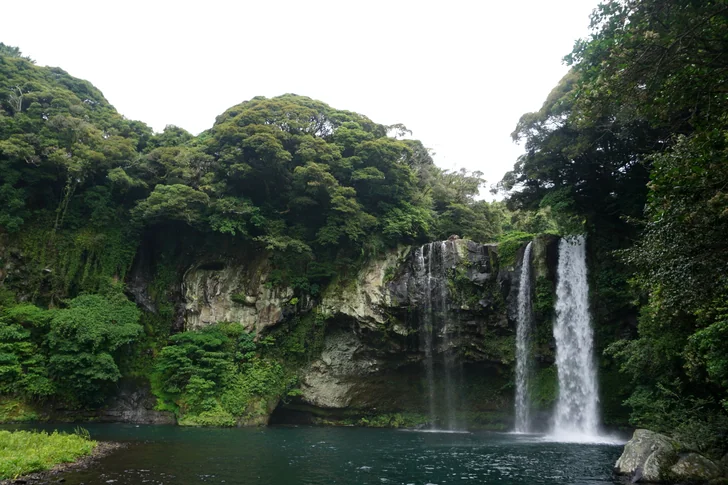
20. Cheonjiyeon Waterfall, Seogwipo
Cheonjiyeon falls into a natural pool in a wooded valley, reached by a maintained walking path. It is a calmer southern-island outing than a summit hike. Check the name carefully when planning: Cheonjiyeon is different from Cheonjeyeon and Jeongbang.
Where to spend the evening
In Busan, keep Haeundae for a shore walk when the day's travel is finished. In Seogwipo, Cheonjiyeon offers a possible evening visit once you have confirmed its current entry arrangements. Bukchon's restricted residential lanes are a daytime stop, and mountain paths should follow the park's access limits rather than a city sightseeing schedule.
What to see in one, two or three days
One day in Seoul: make Gyeongbokgung the anchor, then visit Bukchon during its permitted daytime window if it is not Sunday. On a palace closure day, choose Changdeokgung instead, checking its own Monday closure. Add the Secret Garden only with a confirmed entry session.
Two days in the capital region: use the first for the historic Seoul group and give the second to Suwon's fortress. This keeps a substantial outdoor walk separate from palace visiting. If both palaces are a priority, spend both days in Seoul and move Suwon to a later trip.
Three days: add either Imjingak and a separately confirmed DMZ excursion, or another day in Seoul. These are choices within the capital region, not a schedule for all 20 places.
For a southeastern visit: pair Daereungwon and Cheomseongdae on a central Gyeongju day, with Bulguksa as a separate outing. Continue to Busan when you have allowed time for the intercity journey, then choose Haeundae or Taejongdae according to your base. Andong and Haeinsa require their own transport planning.
For Jeju: group Seongsan with an eastern-island day and Cheonjiyeon with time based around Seogwipo. Set aside another complete day for a reserved Hallasan summit hike. Visiting the mainland's different regions and Jeju calls for a longer trip with several bases; leave out distant stops rather than turning short breaks into a chain of transfers.
 Russia

 France
 Montenegro
 Hungary
 Venezuela