
 English
 Español
 Deutsch
 日本語
 Italiano
 Português
 Русский
 简体中文
 한국어
 Polski
 ภาษาไทย
Italy’s best-known sights tell different stories: an amphitheatre built for public spectacle, a painted Renaissance goddess, villages fitted into a rocky coast and a volcano whose paths depend on its activity. This selection brings together 25 top tourist attractions in Italy, grouped by region so you can choose a manageable part of the country.
Rome, Florence and Venice sit alongside Ravenna’s mosaics, the cave neighbourhoods of Matera and the islands off Sardinia. They belong to different trips. Use the regional itineraries at the end to plan a short visit; allow separate travel days when combining distant regions. Visitor information was checked on 07.11.2026.
Before you travel
Choose your arrival airport around your first region. For Rome, the Leonardo Express connects Fiumicino Airport with Roma Termini; the standard single fare is €14. For Milan, the Malpensa Express adult single fare between the airport and Milan is €15. Check the Leonardo Express and Malpensa Express pages for current services and conditions; these fares were checked on 07.11.2026.
Compare dated journeys through Trenitalia and Italo. Intercity rail, local buses and island ferries require separate planning. Follow the instructions for your particular ticket: Trenitalia’s digital regional ticket validates automatically for the selected departure, while paper tickets may require validation. Italy uses the euro; keep some cash alongside a bank card.
Reserve the attractions that determine your day first: the Colosseum, Uffizi and Florence’s dome have specific booking arrangements. Churches may interrupt sightseeing for services and require appropriate clothing. Match the season to the activity: mountain access, coastal ferries and lake services have their own calendars. A clear day in a city says little about conditions on Etna or in the Dolomites.
Rome and Lazio
4 places
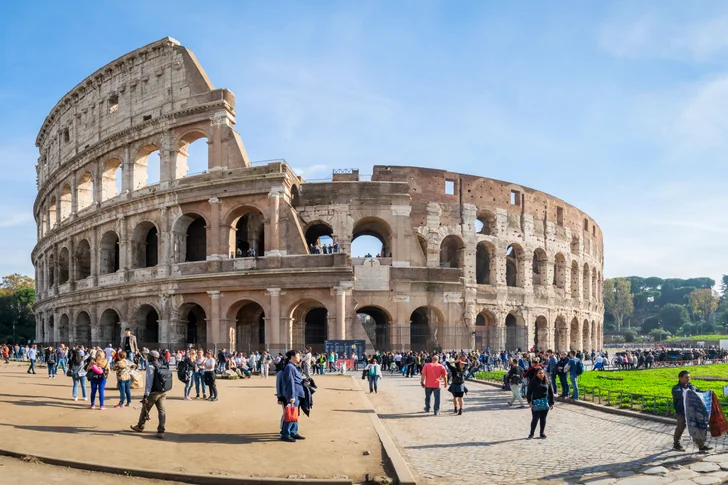
1. Colosseum
Opened in AD 80, the Colosseum makes the scale of Roman public entertainment visible in its stacked arcades. The ordinary visitor route and the arena or underground routes offer different views of the building. Decide which interests you before buying: the standard ticket does not include every level or special area.
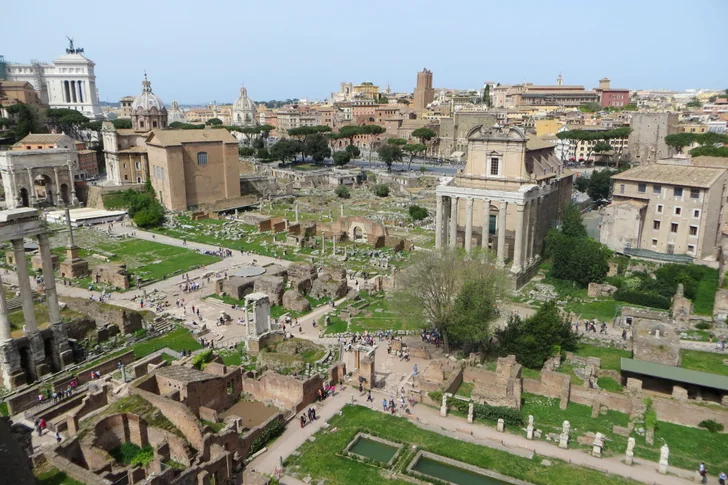
2. Roman Forum and Palatine Hill
The Forum’s temples and public buildings mark the administrative and ceremonial centre of ancient Rome. The Palatine adds a different layer: an elite residential hill that became the setting for imperial palaces. Allow a substantial archaeological walk for the combined area, with a route through the ruins planned around your interests.
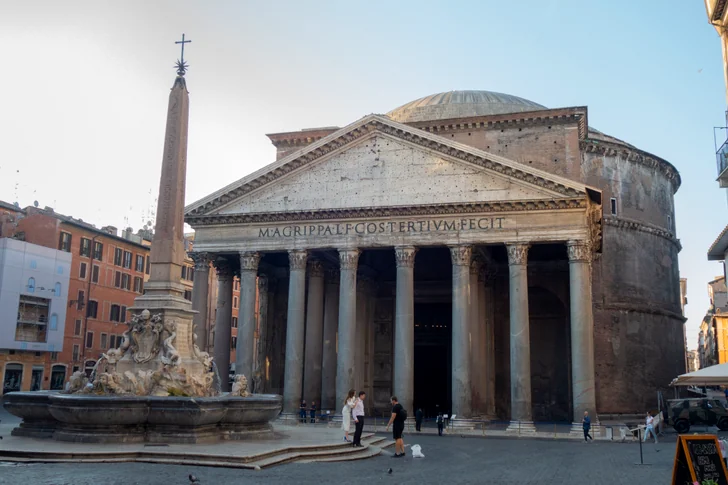
3. Pantheon
Beyond the columned portico, the Pantheon opens into a domed interior lit through its central oculus. The surviving building belongs to Hadrian’s reign and later became the church of Santa Maria ad Martyres. Rain does enter through the opening; drainage in the floor carries the water away.
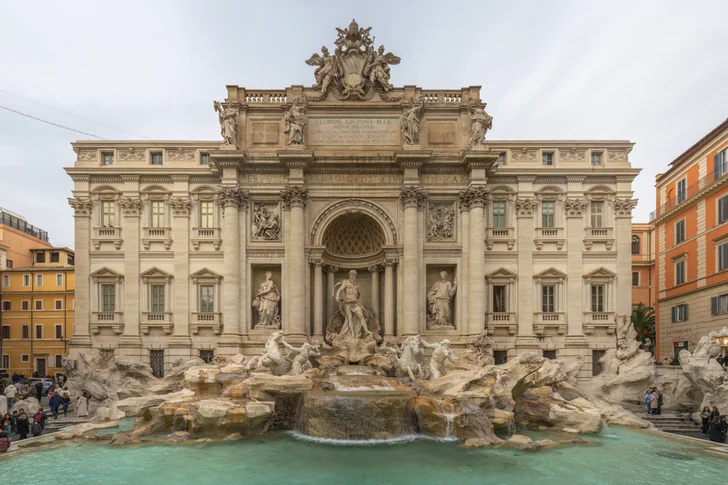
4. Trevi Fountain
Trevi turns the façade of Palazzo Poli into a baroque stage of rock, sculpture and moving water. You can appreciate the whole composition from the surrounding square or enter the managed area closer to the basin.
Tuscany and the Ligurian coast
5 places
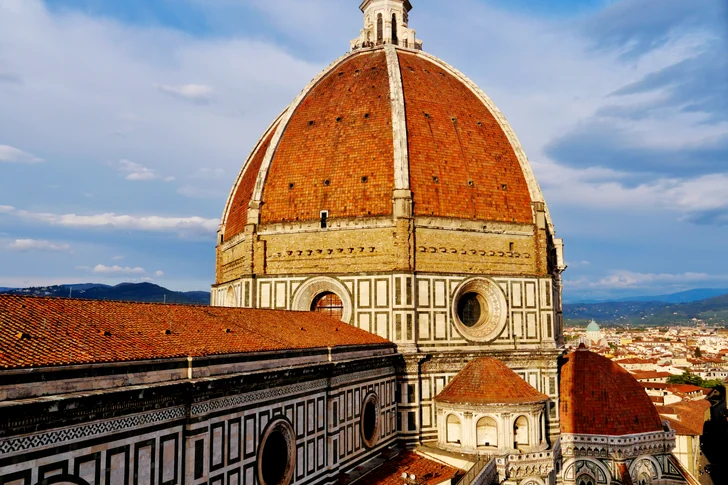
5. Florence Cathedral complex
Santa Maria del Fiore is part of an ensemble that includes Brunelleschi’s dome, Giotto’s bell tower, the baptistery and the cathedral museum. The photograph looks towards the dome from the bell tower. Decide whether your visit centres on the church, an ascent or the museum: these involve different entrances and tickets.
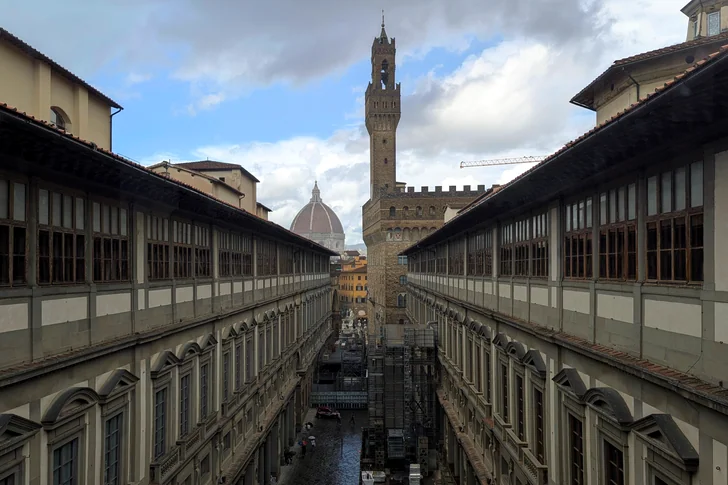
6. Uffizi Gallery
The Uffizi gives a museum visit a clear focus: Botticelli’s Birth of Venus and Primavera are among its major works. Choose the paintings you most want to see before entering. Give the gallery its own block of the day, separate from a timed cathedral ascent.
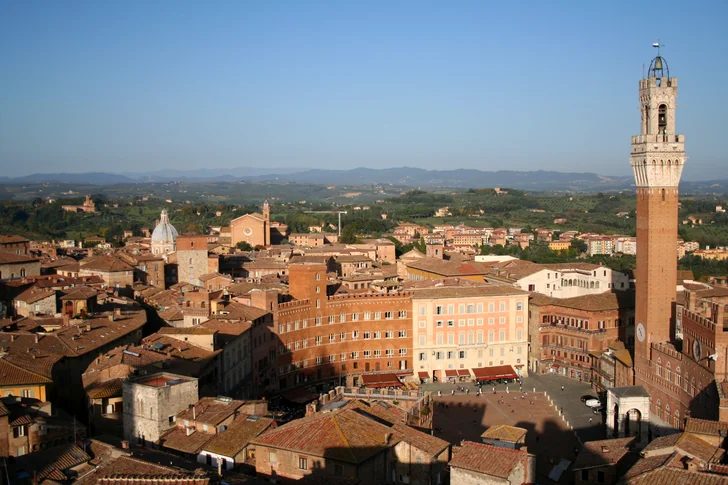
7. Piazza del Campo, Siena
Siena’s shell-shaped square slopes towards Palazzo Pubblico and the Torre del Mangia. The paving divides the slope into nine sectors, giving the open space a strong architectural pattern. During preparations for the Palio horse race, the square changes function and pedestrian access can change with it.
The square is public space; the palace museum and tower have separate visitor arrangements. Consult Siena’s visitor information before a trip around the Palio.
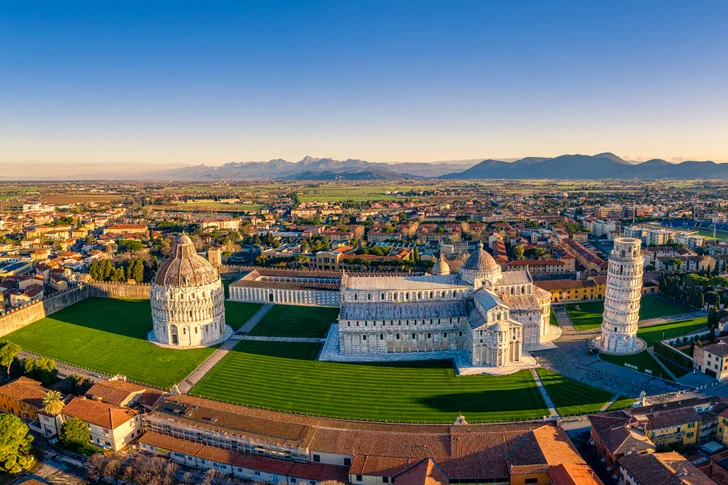
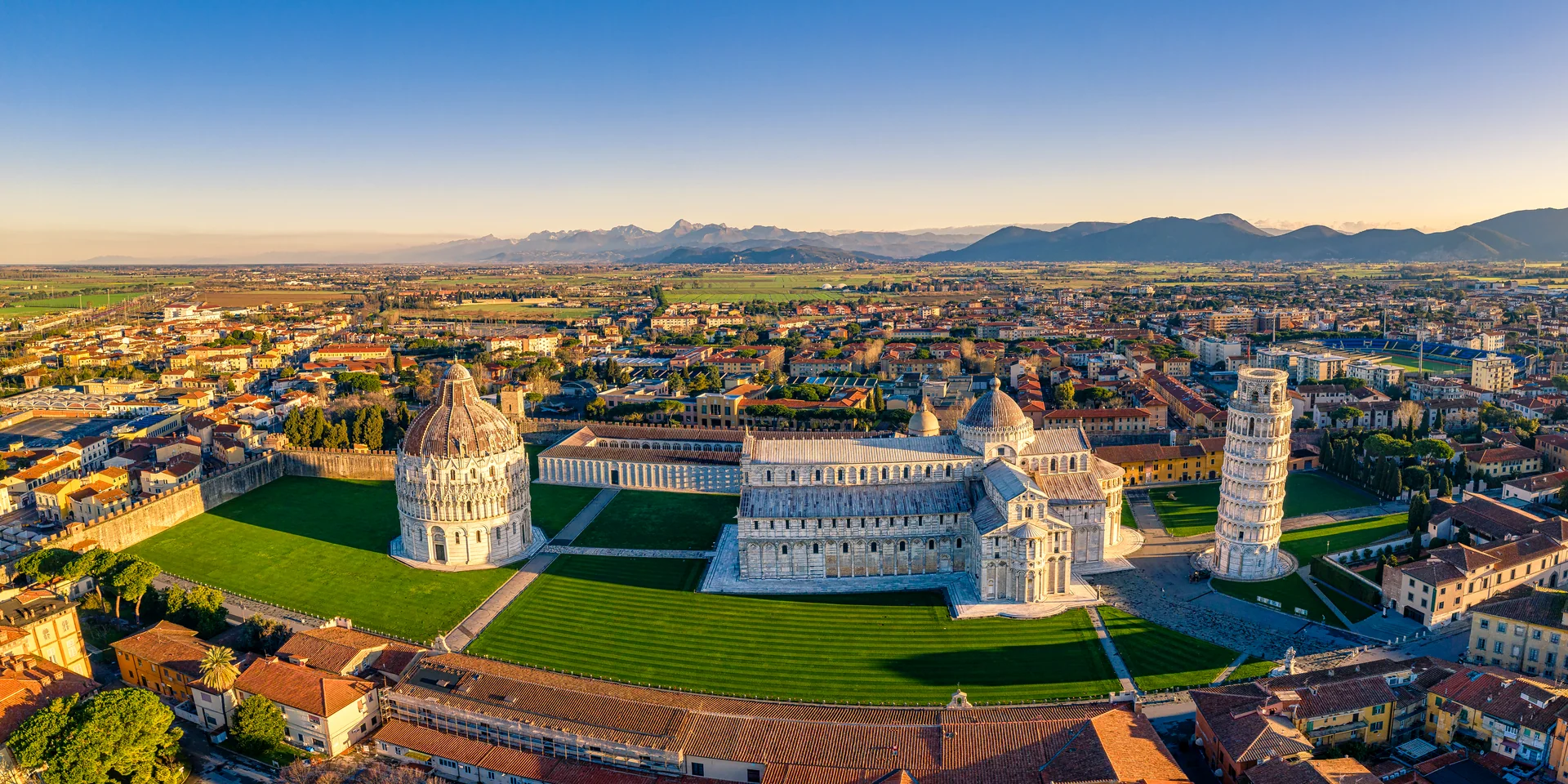
8. Piazza dei Miracoli, Pisa
Pisa’s leaning bell tower belongs to a larger medieval ensemble with the cathedral, baptistery and Camposanto. Look across the whole square to understand the relationships between the buildings. The ensemble took shape between the 11th and 14th centuries, with the tower serving as the cathedral’s campanile.
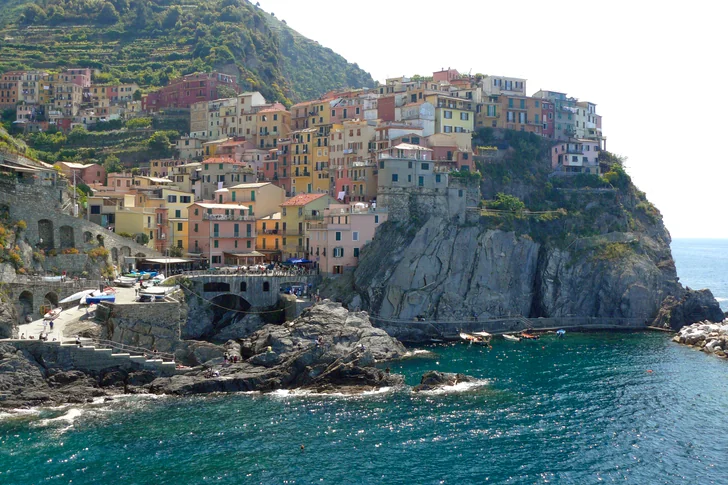
9. Cinque Terre
Monterosso, Vernazza, Corniglia, Manarola and Riomaggiore form a chain of villages along the Ligurian coast; Manarola appears in the photograph. Regional trains let you select a few villages without committing to a long hike. Walking requires a separate decision about terrain, weather and which paths are actually open.
Venice, the lakes and the Dolomites
6 places
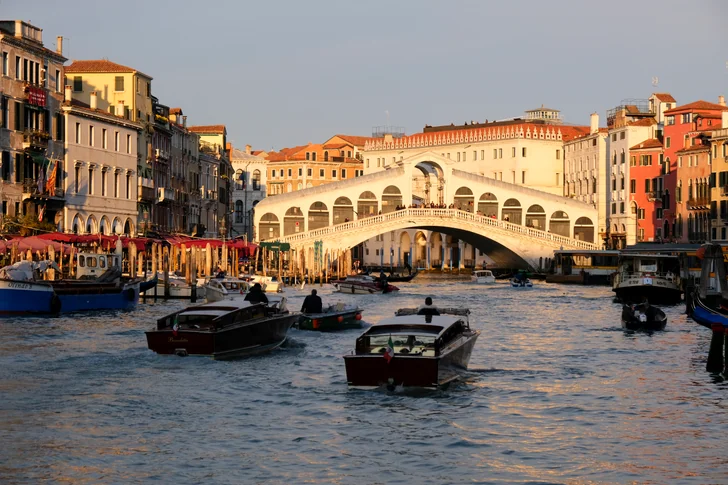
10. Grand Canal, Venice
The Grand Canal presents Venice from its principal water route, with palace façades facing the passing boats. The photograph shows it at the Rialto Bridge. ACTV’s public vaporetto line 1 travels through Rialto and San Marco, making a transport journey a practical way to see the canal; a gondola ride is a separate purchase.
Check ACTV services and the Venice access-fee calendar. The city fee applies on selected dates under specific conditions and exemptions.
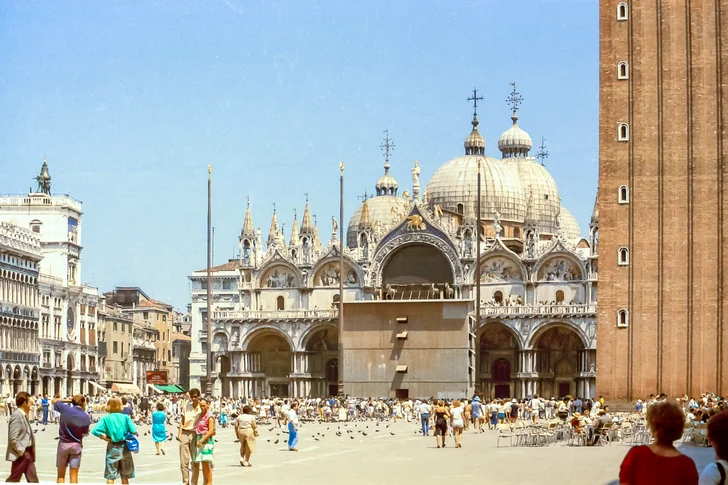
11. St Mark’s Square and Basilica, Venice
The square gives you the exterior setting; inside the basilica, mosaics depict biblical episodes and the life of St Mark. Choose which parts of the complex matter to you before booking. The basilica, Pala d’Oro, museum with loggia and bell tower have different ticket options.
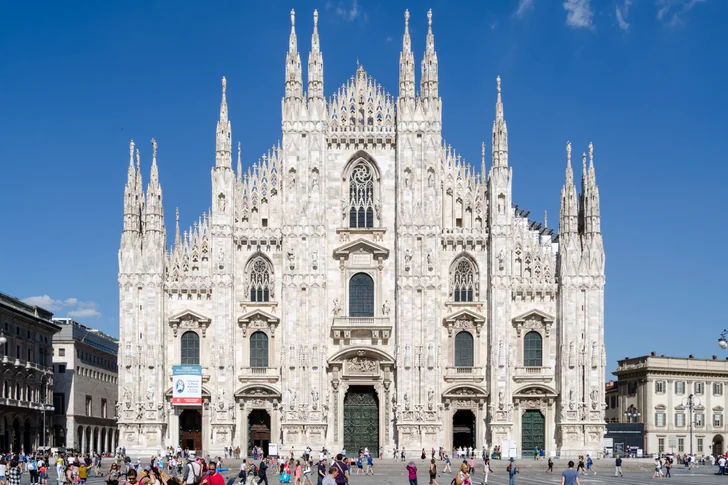
12. Milan Cathedral
Built over several centuries, Milan’s cathedral fills its square with a façade of pinnacles and spires. The rooftop routes bring you closer to that forest of stone above the interior. Access options include stairs and a lift; select the appropriate rooftop or combination ticket.
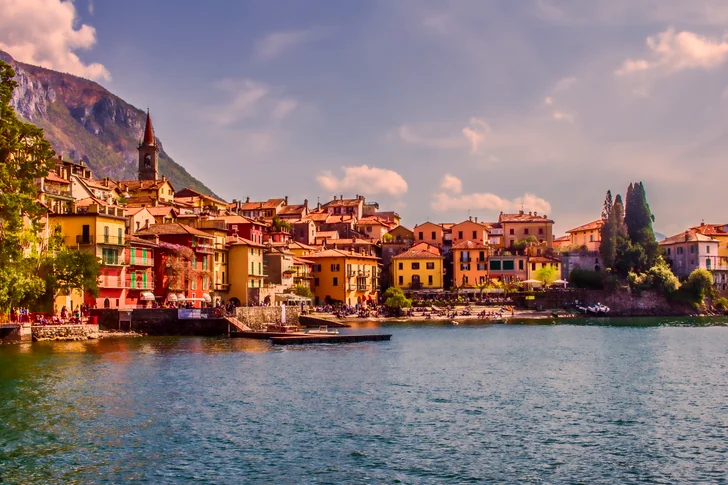
13. Lake Como
Lake Como combines water, mountain slopes and settlements along the shore; the photograph shows Varenna. Varenna and Bellagio belong to a ferry network that also links Menaggio and Cadenabbia. Connecting shore visits by water gives you views back towards the settlements; build the day around the seasonal sailing timetable.
Check Navigazione Laghi for seasonal routes and current notices. Weather and temporary pier works can affect services; boats and individual villas have their own charges.
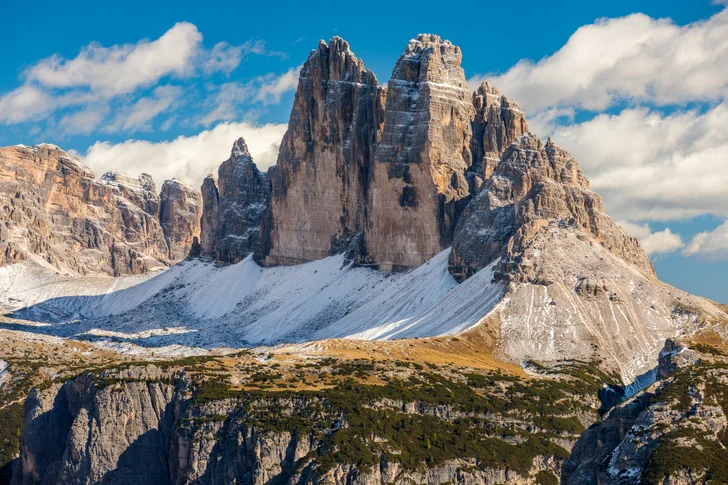
14. Tre Cime di Lavaredo
The three peaks give the Dolomites a sharply recognisable mountain silhouette, pictured here from Monte Specie. A different walking approach from Rifugio Auronzo towards Forcella Lavaredo opens views of their northern walls. Plan this as a mountain outing, with suitable footwear and current conditions checked before travel.
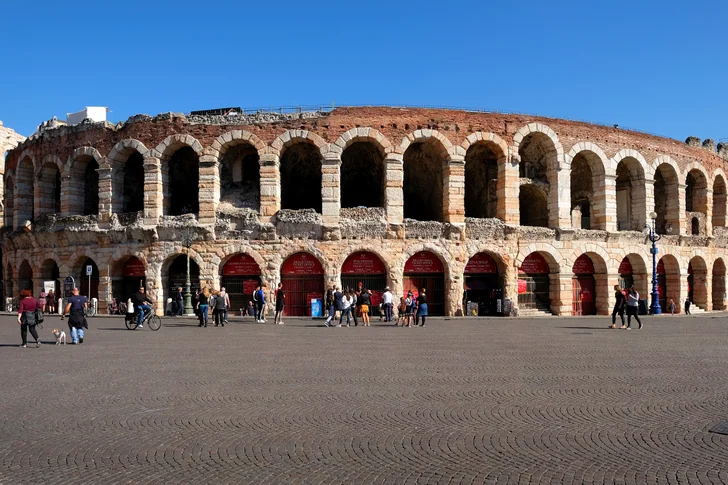
15. Verona Arena
Verona’s amphitheatre dates from the first century AD and remains a setting for opera and other performances. Much of its outer ring collapsed after the earthquake of 1117, leaving the surviving arcades as a fragment of the original exterior. An interior visit reveals the seating space used by today’s audiences.
Ravenna and Assisi
2 places
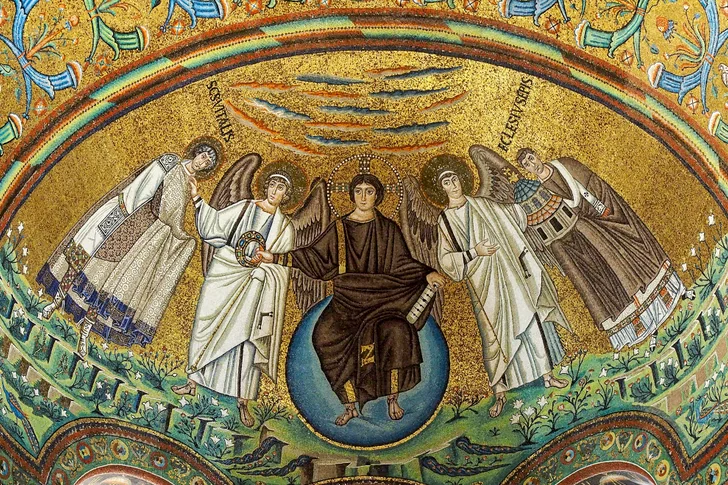
16. Basilica of San Vitale, Ravenna
San Vitale’s Byzantine mosaics bring the figures of Justinian and Theodora into a church consecrated in 547. Gold backgrounds frame the imperial figures, while the mosaic decoration extends across the apse. Pause to look at the images within the church’s architecture as well as at individual faces and details.
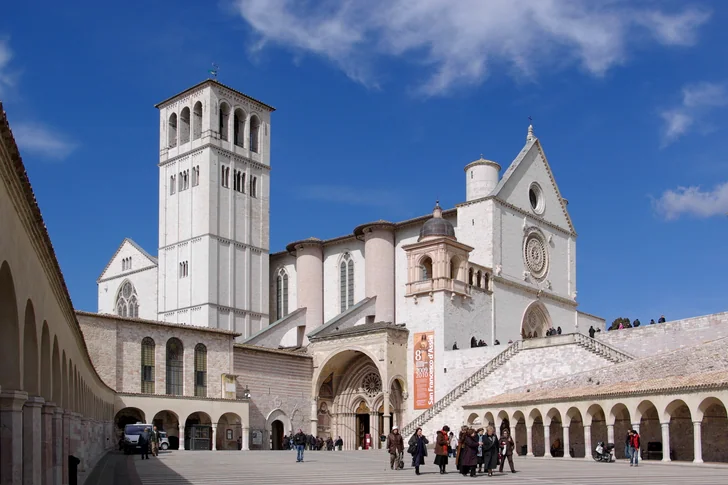
17. Basilica of Saint Francis, Assisi
The basilica contains upper and lower churches with different spaces and fresco cycles. Its religious purpose remains central to a visit, particularly around the saint’s tomb. Leave room to pause between the churches and follow directions about quiet and access during worship.
Naples and the Amalfi Coast
3 places
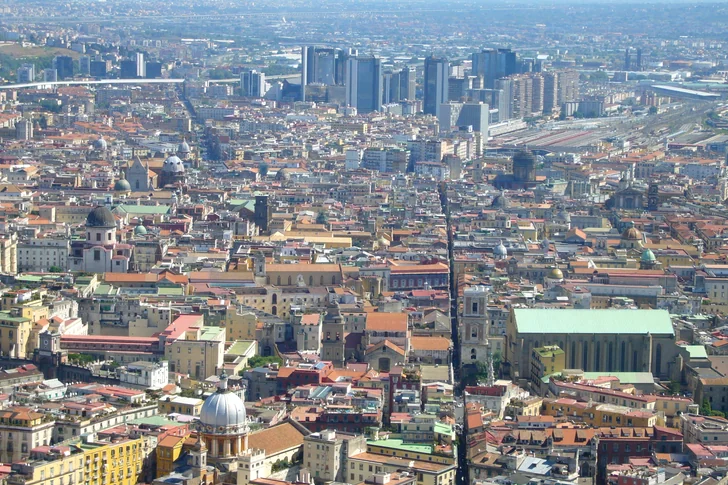
18. Spaccanapoli, Naples
Spaccanapoli names a long historic axis through Naples, following several streets rather than a single official street name. On foot, Piazza del Gesù and San Domenico Maggiore provide anchors for the walk. The photograph from above reveals the straight line that is harder to grasp within the dense street scene.
The streets are public space; churches and museums along the way have separate visitor arrangements.
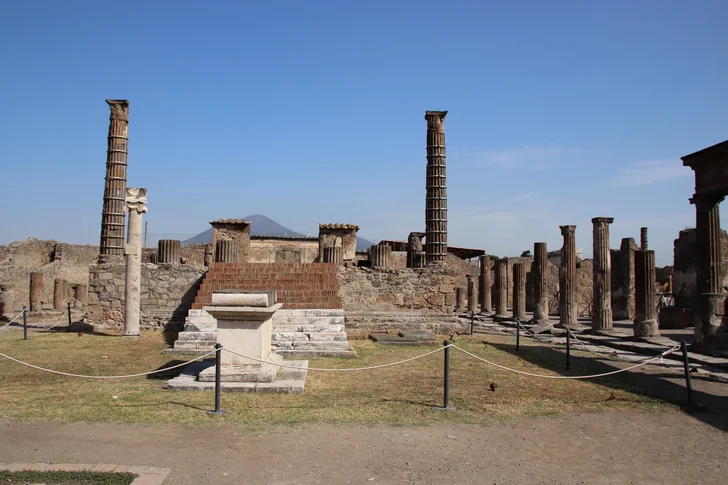
19. Pompeii
Destroyed by Vesuvius in AD 79, Pompeii preserves a town’s streets, houses and public buildings. Move between the forum and residential areas to see more than isolated ruins. From Naples, check trains to Pompei Scavi–Villa dei Misteri and the park’s entrance information; the photograph shows the archaeological forum.
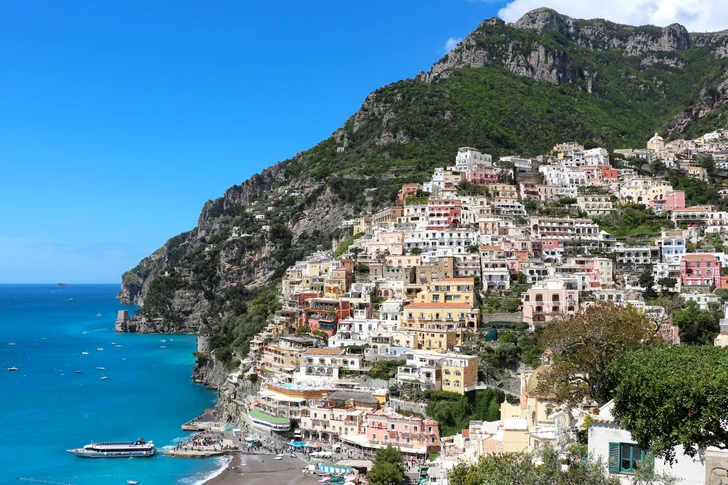
20. Amalfi Coast
Positano, pictured here, is one town on a coast of separate settlements and steep landscapes. Choose a limited stretch rather than trying to collect every town in a day. The journey between places is part of the planning: bus and ferry timetables determine how much time remains ashore.
Check SITA Sud buses and Travelmar ferries for your date. Summer sailings should not be assumed to operate in winter.
Basilicata and Puglia
2 places
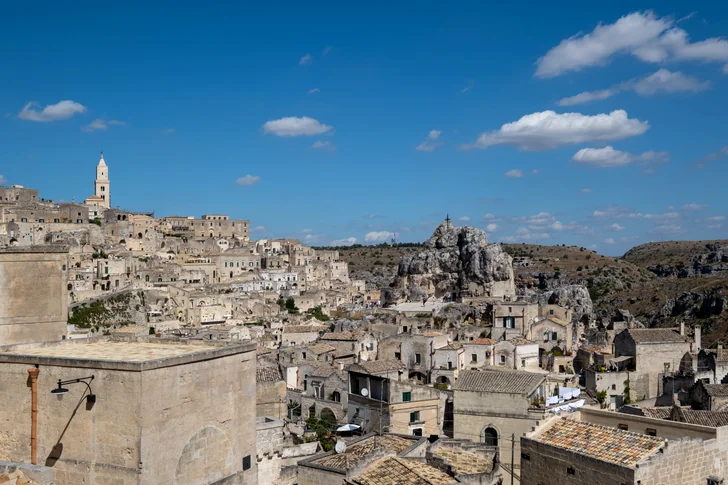
21. Sassi of Matera
Sasso Caveoso and Sasso Barisano form Matera’s historic cave neighbourhoods, where built façades and excavated spaces belong to the same urban landscape. Walk between viewpoints to understand how houses and religious buildings fit the terrain. Steps and uneven stone surfaces make footwear and route choice more useful considerations than a rigid checklist.
Street walks are free; individual cave houses and churches can charge separately. UNESCO’s account explains the settlement’s structure.
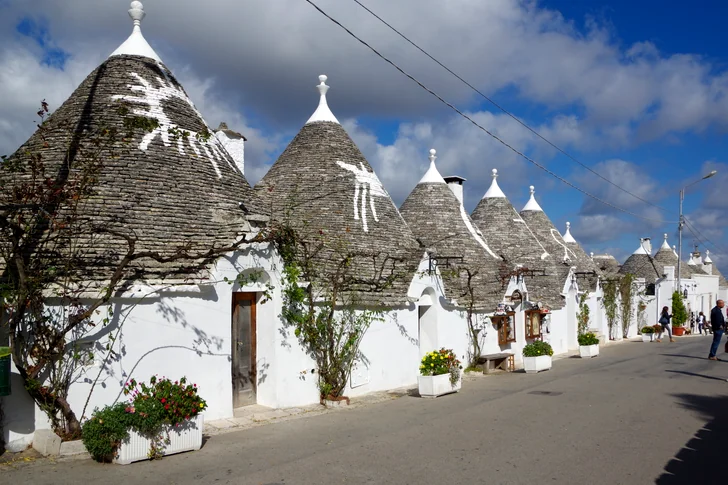
22. Trulli of Alberobello
Alberobello’s trulli use dry-stone construction, with limestone walls and distinctive conical roofs. The Rione Monti and Aia Piccola neighbourhoods preserve groups of these buildings, with the roof forms repeated along their streets. Some remain homes, so keep doorways clear and distinguish public streets from private interiors.
You can walk the streets freely; museums and individual houses have separate arrangements. UNESCO’s description explains the construction technique.
Sicily and Sardinia
3 places
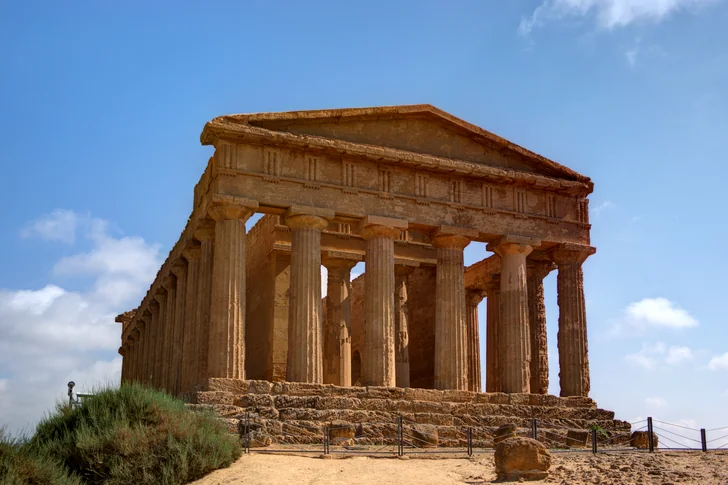
23. Valley of the Temples, Agrigento
The temples belong to the landscape of ancient Greek Akragas; the photograph shows the Temple of Concordia. Choose an entrance and walking route before setting out, since the park offers shorter and longer options. Bring water and protection from the sun for the exposed archaeological walk.
24. Mount Etna
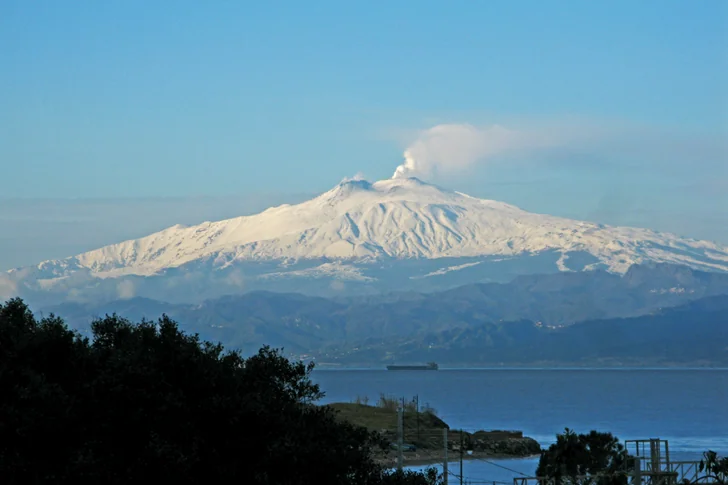
Etna is an active volcano with walking routes and a high summit zone governed by changing restrictions. The photograph shows the mountain from Reggio Calabria, across the strait; a close visit involves a different landscape and preparation. Choose a permitted route according to current conditions and whether an authorised guide is required.
25. La Maddalena Archipelago
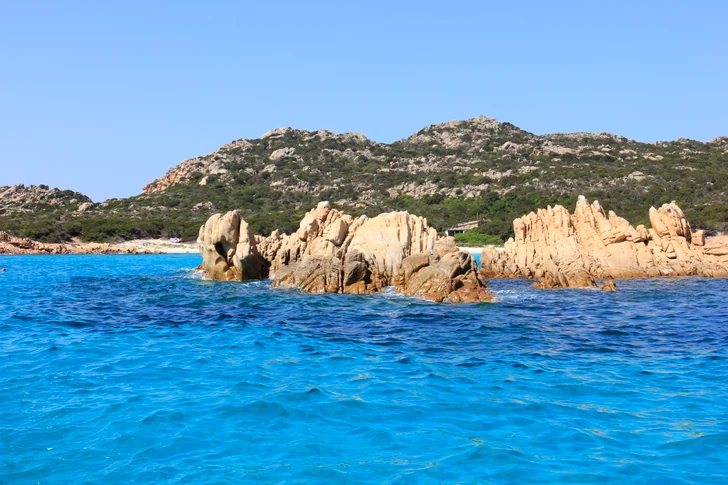
The photograph shows Budelli, one of the islands in the protected archipelago off Sardinia. The Palau–La Maddalena ferry reaches the main island and town; visiting more distant islands requires separate arrangements. Private boats need park permits for navigation, mooring or anchoring in the protected coastal zone; passenger excursions have their own itineraries.
What to see in one, two or three days
One day in ancient Rome: reserve the Colosseum, then use the combined ticket for a chosen route through the Forum and Palatine, or reverse the order around the booked time. Keep the rest of the day flexible. The Pantheon and Trevi fit more comfortably into a separate walk through central Rome.
Two days in Florence: devote one day to the cathedral complex, selecting the interiors or ascent you want, and the other to the Uffizi and an unhurried city walk. A separate Pisa excursion is an alternative if the tower matters more to you than another Florence museum; check transport before replacing the day.
Three days around Naples: start with the historic centre and Spaccanapoli, give Pompeii a separate day, then choose a limited Amalfi Coast outing only after checking the full outward and return connections. If the coastal journey leaves too little time ashore, stay closer to Naples or add a coast overnight.
 Russia

 France
 Montenegro
 Hungary
 Venezuela