
 English
 Español
 Deutsch
 日本語
 Italiano
 Português
 Русский
 简体中文
 한국어
 Polski
 ภาษาไทย
England's tourist attractions range from London's royal buildings and museums to Roman remains, abbey ruins and coastal footpaths. This guide selects 35 places, grouped to help you choose a regional base. London has seven entries; the rest take you through university towns, historic houses, the south coast and northern England.
The geographical distinction matters: England, Scotland and Wales make up Great Britain; the United Kingdom also includes Northern Ireland. This is a guide to England, not a list covering every country of the UK. Visiting information was checked on 7 November 2026. November closures and seasonal ticket arrangements are noted below; check your chosen date again before booking travel.
Before you travel
Choose a base around the places you most want to see. London, Oxford, Bath, York and the Lake District each deserve separate time. The itineraries below are alternatives for one region, not a plan to see all 35 places in three days.
Heathrow has the Piccadilly and Elizabeth lines and Heathrow Express to Paddington. Gatwick has Southern, Thameslink and Gatwick Express trains. Compare destination stations and fares. Between regions, use the National Rail journey planner; Advance tickets are tied to the specified date and train.
In London, use the same contactless card, device or Oyster throughout, touching in and out on rail journeys. The adult daily cap for zones 1–2 is £8.90 in TfL's 2026 fare table; check airport fares separately. Currency is pounds sterling; carry some cash for smaller businesses.
Pack for changeable weather, check forecasts and leave daylight for winter walks. Book popular timed-entry attractions separately from transport. Free church services are worship, not sightseeing; services can also restrict tourist access.
London: Westminster, museums and the Thames
7 places
1. Westminster Abbey
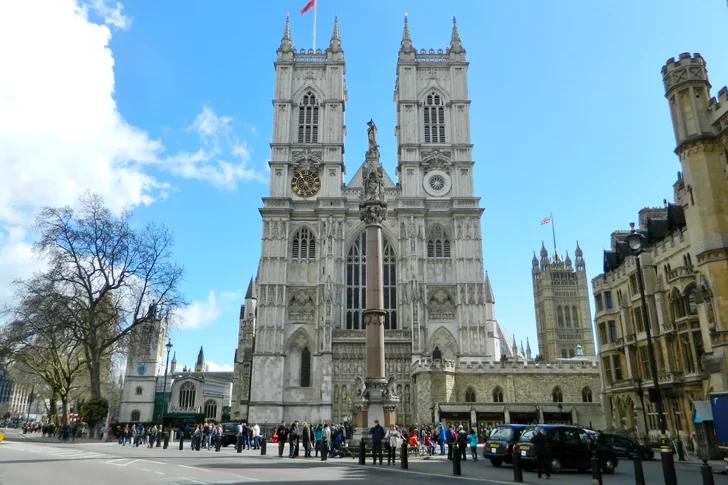
Westminster Abbey is a coronation church and a burial place for historical figures. Allow time to explore the church rather than treating it as a photograph from Parliament Square. Adjoining spaces open according to the day's schedule.
2. Palace of Westminster and Big Ben
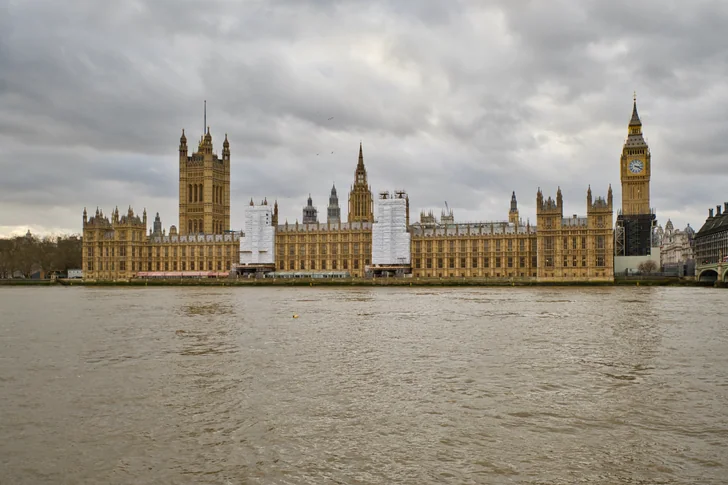
The Parliament buildings and Elizabeth Tower can be viewed outside without a ticket. Big Ben is the great bell inside the tower. For an interior visit, choose between exploring Parliament and climbing the tower, or book both separately.
3. Buckingham Palace
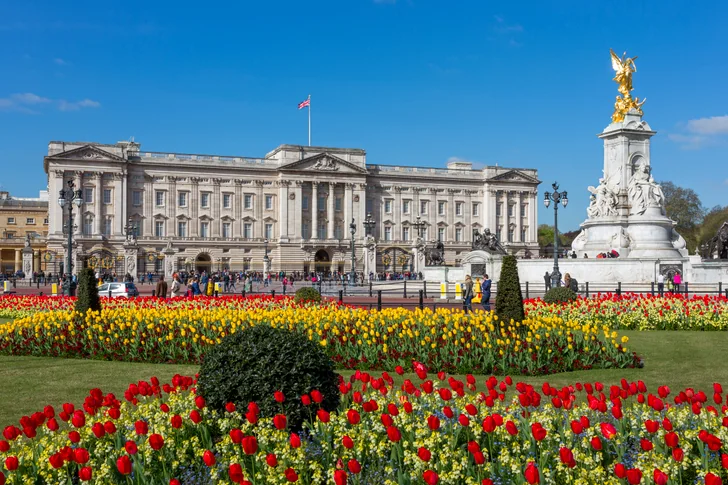
The palace façade offers a straightforward outdoor stop on a Westminster day. Going inside requires more planning: the State Rooms have a seasonal opening, while selected guided tours operate separately. Changing the Guard follows its own calendar, so seeing the building does not guarantee seeing the ceremony.
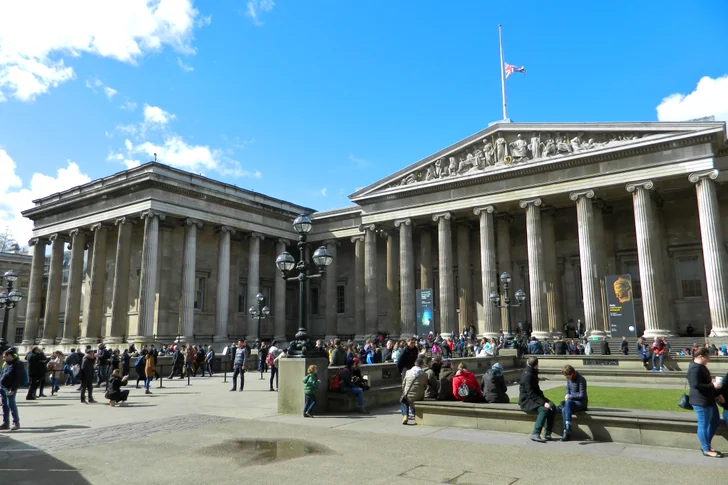
4. British Museum
The British Museum brings collections from different regions and periods into one building. Choose a few galleries around your interests instead of trying to cover everything. Check particular objects and galleries before making them the reason for your trip.
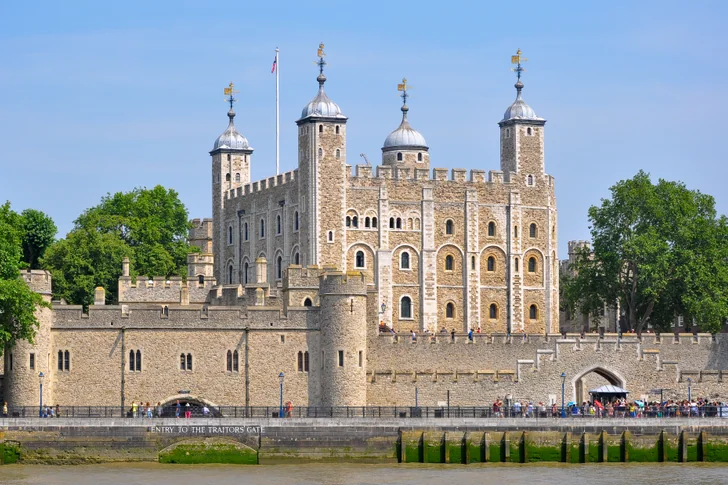
5. Tower of London
The White Tower, built under William the Conqueror, anchors a larger fortress complex. Admission includes the Crown Jewels, the tower and battlements. Allow for the Crown Jewels queue before booking another interior afterwards.
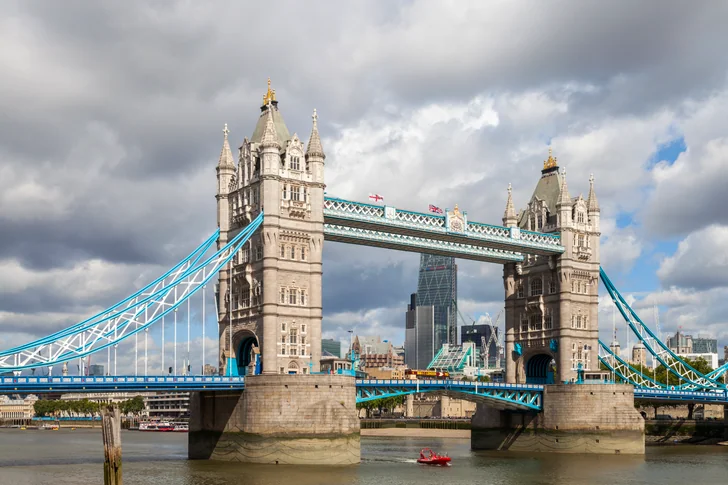
6. Tower Bridge
The public pavement across Tower Bridge gives a river crossing and exterior view; the paid attraction adds high-level walkways, glass floors and Victorian Engine Rooms. Pair an outside walk with the Tower of London, or leave more time for both interiors.
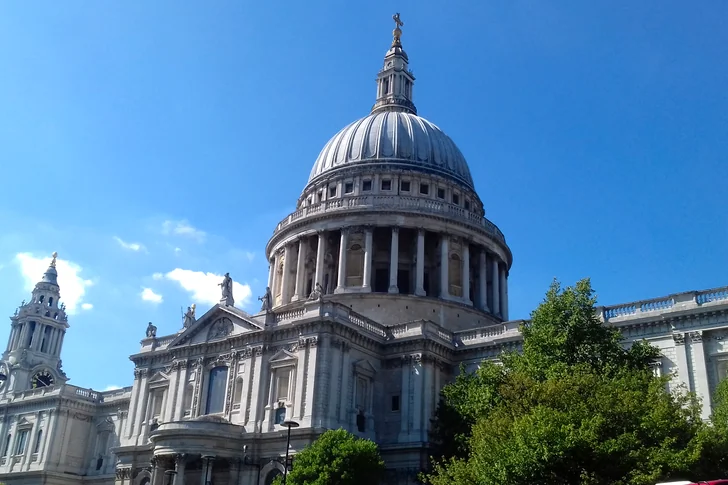
7. St Paul's Cathedral
St Paul's offers the cathedral floor and crypt, with the option of climbing to the dome galleries. Choose according to your mobility and interest: the upper route involves many stairs.
Windsor, Oxford and the Cotswolds
4 places
8. Windsor Castle
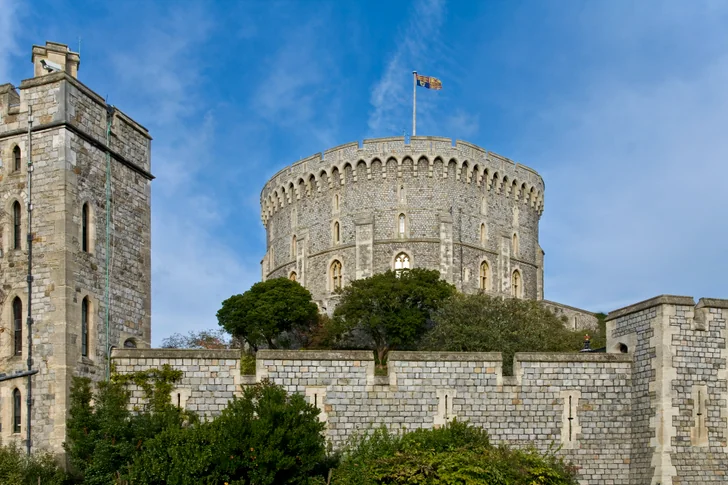
Founded by William the Conqueror in the eleventh century, Windsor remains a working royal residence. The Round Tower and walls give its exterior a recognisable profile. Inside, St George's Chapel has its own restrictions rather than following the castle's full schedule.
9. Oxford's historic university centre
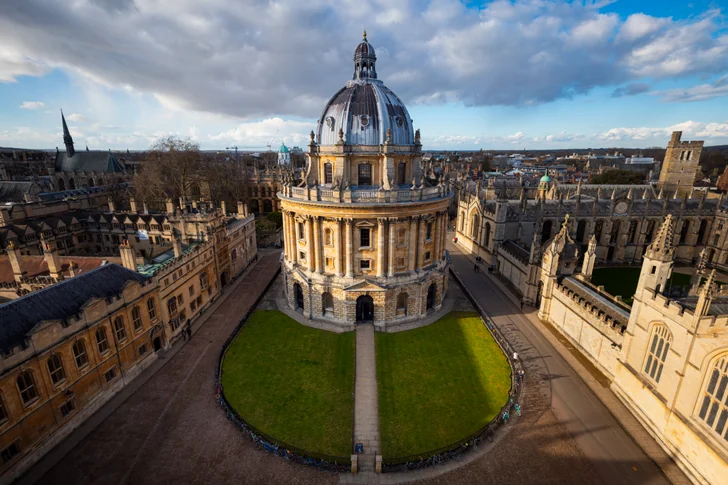
Use Radcliffe Square and the Radcliffe Camera as the focus of an Oxford walk. The rounded library building is a working university space, not an attraction with unrestricted public entry. Streets and façades make a satisfying independent visit; access to libraries and colleges needs separate checking.
10. Blenheim Palace
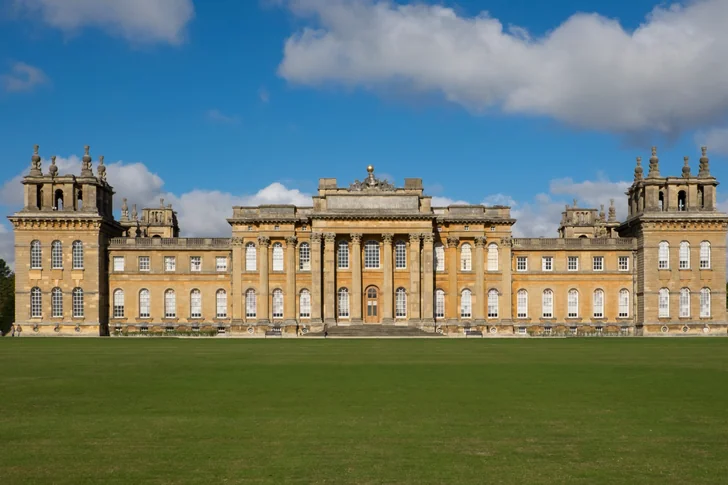
Blenheim combines a monumental palace with gardens and parkland. Building began in 1705; Winston Churchill was born here in 1874. Decide whether your priority is the rooms or an outdoor visit, because a park-and-gardens ticket does not include the palace. Oxford provides a practical base, with S3 and S7 buses towards Woodstock.
11. Arlington Row, Bibury
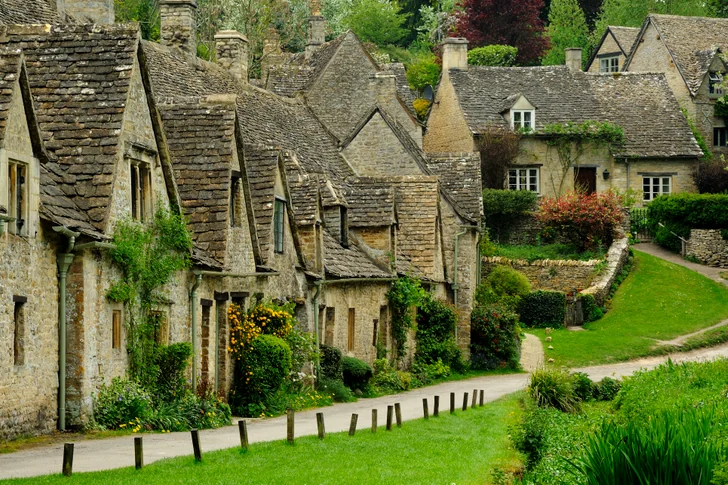
Arlington Row's stone cottages provide a smaller-scale counterpoint to the palaces and cathedrals. The buildings developed from wool storage into weavers' homes, and remain residential rather than a walk-through museum. View them from the public street, keeping entrances clear and respecting gardens and windows.
The National Trust warns of limited parking and vehicle restrictions on the lane. Plan Bibury as a separate Cotswolds outing: do not assume a convenient direct bus from Oxford, or combine it with Oxford and Blenheim in one short day.
Stratford-upon-Avon
1 place
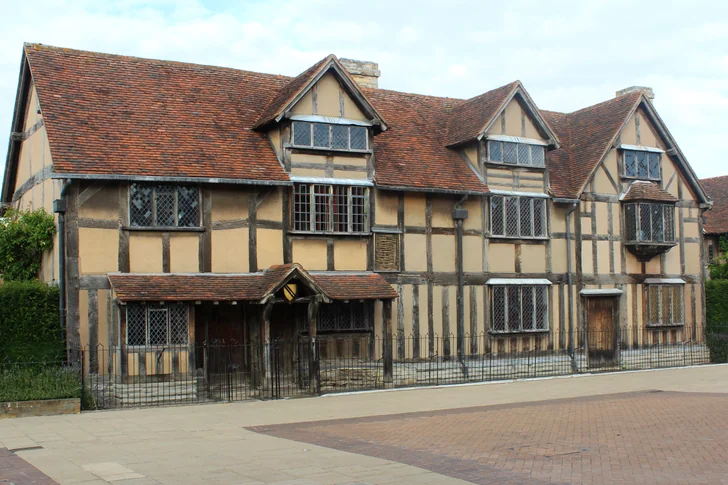
12. Shakespeare's Birthplace
The timber-framed house introduces Shakespeare's childhood world through a domestic setting. Other Shakespeare-related properties have separate access arrangements. The Birthplace is within walking distance of the town's railway station, making it a useful focus for a rail-based Stratford visit.
Cambridge and Ely
2 places
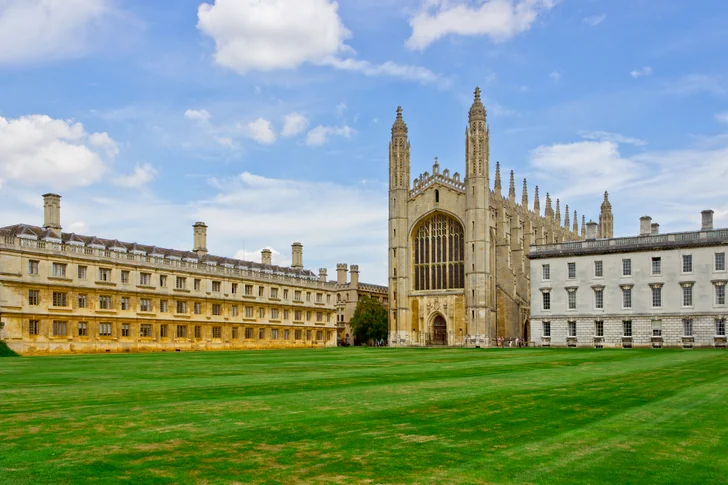
13. King's College Chapel
King's College Chapel rewards looking upward: its fan vault is the main reason to seek an interior visit. Building began in 1446 and finished in 1515. An exterior view from King's Parade and a separate walk along public riverside paths provide alternatives when the chapel is closed.
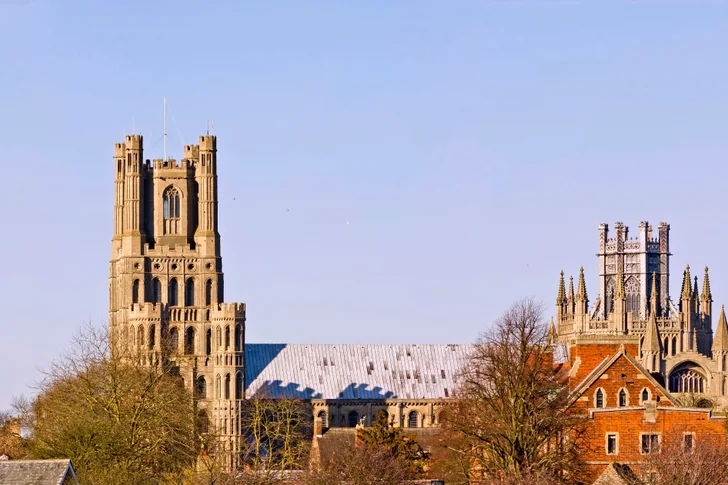
14. Ely Cathedral
Ely's Octagon replaced a central tower that collapsed in 1322. Looking up into its timber-and-lead lantern is a different experience from seeing the cathedral's separate western tower. You can appreciate it without booking a tower climb.
Kent and Brighton
3 places
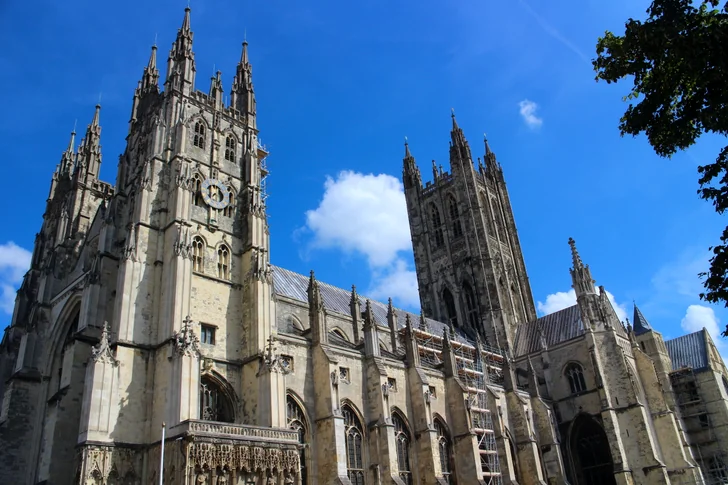
15. Canterbury Cathedral
Thomas Becket's murder here in 1170 shaped Canterbury's history as a place of pilgrimage. The cathedral belongs to a UNESCO ensemble that also includes St Augustine's Abbey and St Martin's Church. Approach through the historic centre.
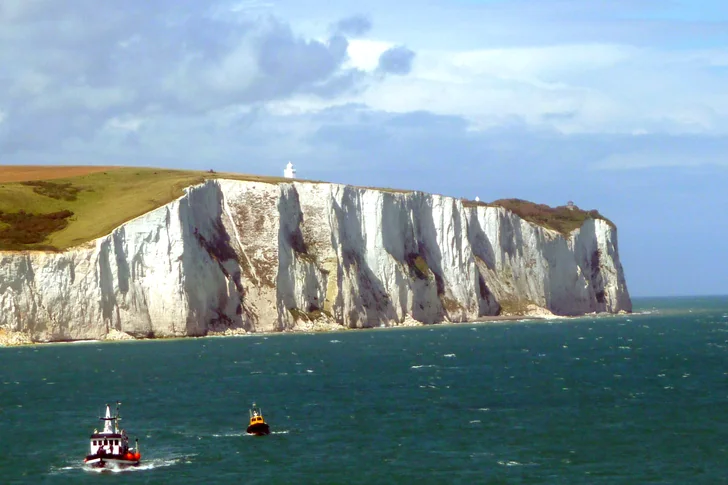
16. White Cliffs of Dover
Start at the White Cliffs Visitor Centre for marked paths above the chalk coastline. Choose a short viewpoint walk or a longer coastal outing according to conditions and available daylight. These are the Dover cliffs, not Seven Sisters; a clear view across to France depends on the weather.
Walking onto the cliffs is free, while parking and certain additional attractions are charged. Check the National Trust's arrival information for gate times and seasonal access. Keep away from cliff edges and use designated paths, especially in wind or wet conditions.
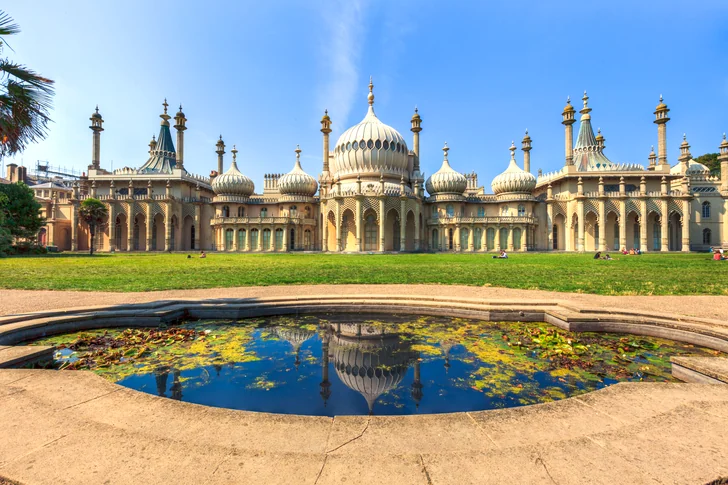
17. Royal Pavilion, Brighton
John Nash began transforming the prince regent's seaside residence in 1815. The domes and minarets outside lead to Chinese-inspired interiors, including the Banqueting and Music Rooms. Rooms require a ticket; the exterior can be viewed separately.
Stonehenge, Salisbury, Bath and Bristol
4 places
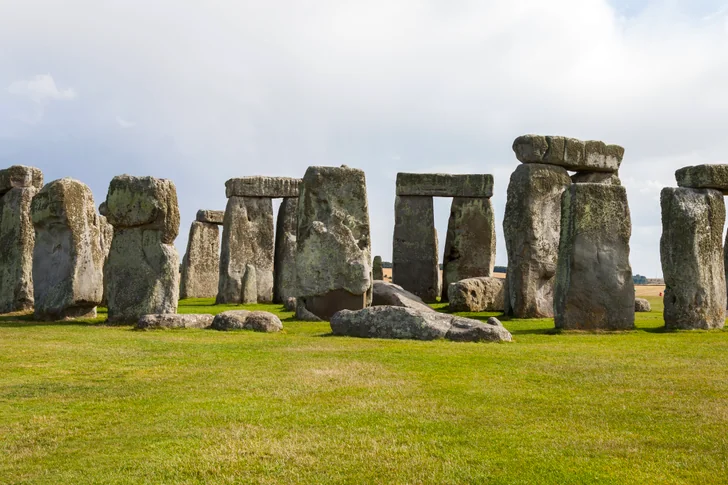
18. Stonehenge
Stonehenge developed in stages: an earthwork enclosure around 3000 BC preceded the stone circle around 2500 BC. The visitor route connects the stones with archaeological displays and reconstructed Neolithic houses. Ordinary admission follows a path outside the circle; it does not allow you to wander among the stones.
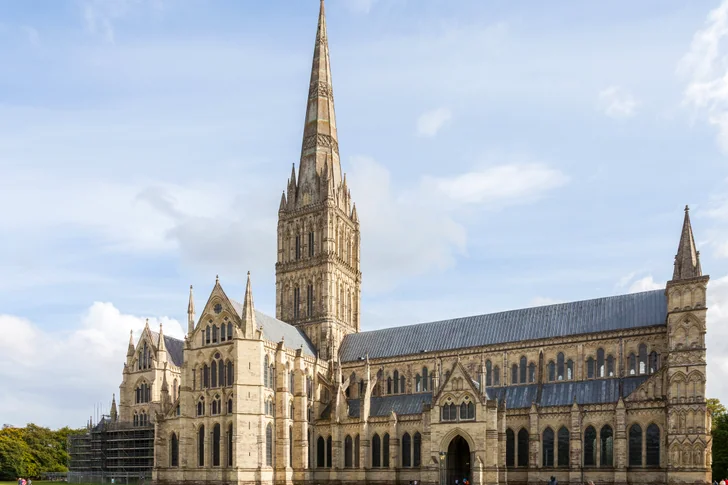
19. Salisbury Cathedral
The cathedral's spire rises above a building begun in 1220. Inside, the Chapter House holds an original 1215 Magna Carta, included in the general visit. Salisbury also provides a base for the Stonehenge tour bus.
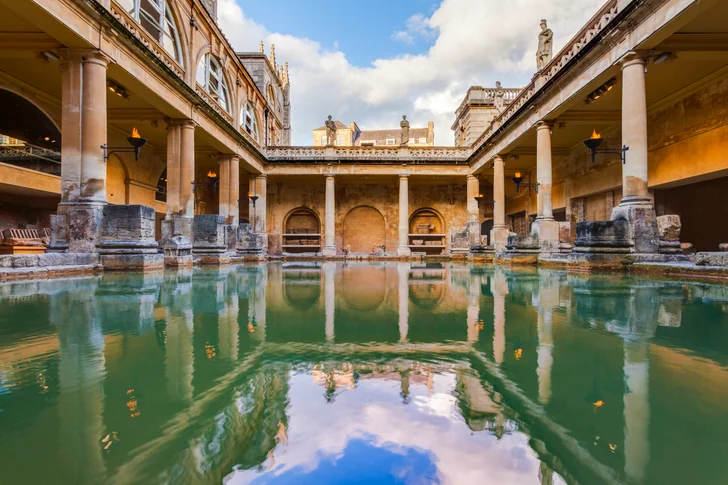
20. Roman Baths, Bath
The Roman Baths combine the Great Bath, the Sacred Spring, remains of the temple precinct and museum finds. This is an archaeological visit: you cannot bathe in the Roman water. The modern Thermae Bath Spa is a different attraction with separate admission.
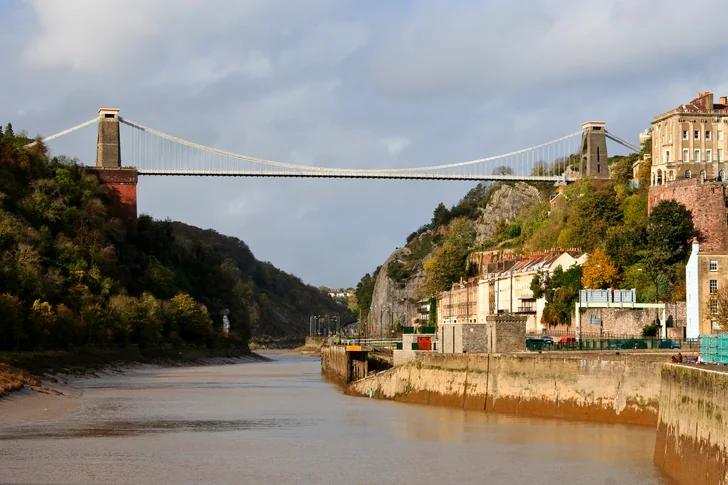
21. Clifton Suspension Bridge
The bridge carries Brunel's engineering story across Bristol's Avon Gorge. It opened in 1864, after his death. The pedestrian crossing gives a direct view of the structure and gorge; use the pavement or a designated viewpoint rather than stopping in the carriageway for photographs.
The Jurassic Coast and Cornwall
3 places
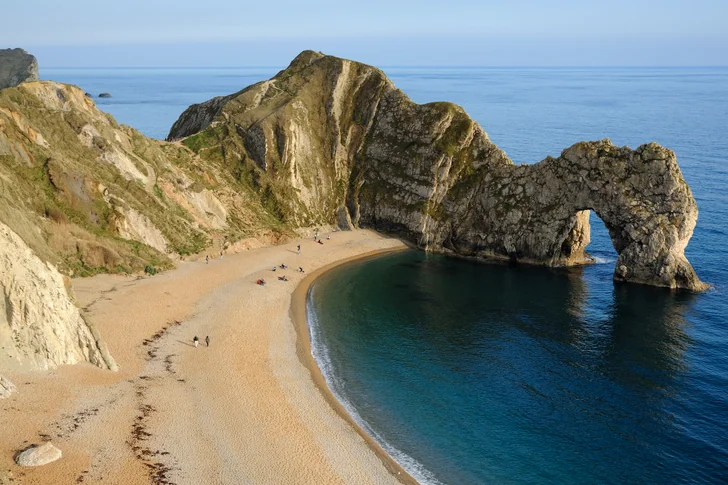
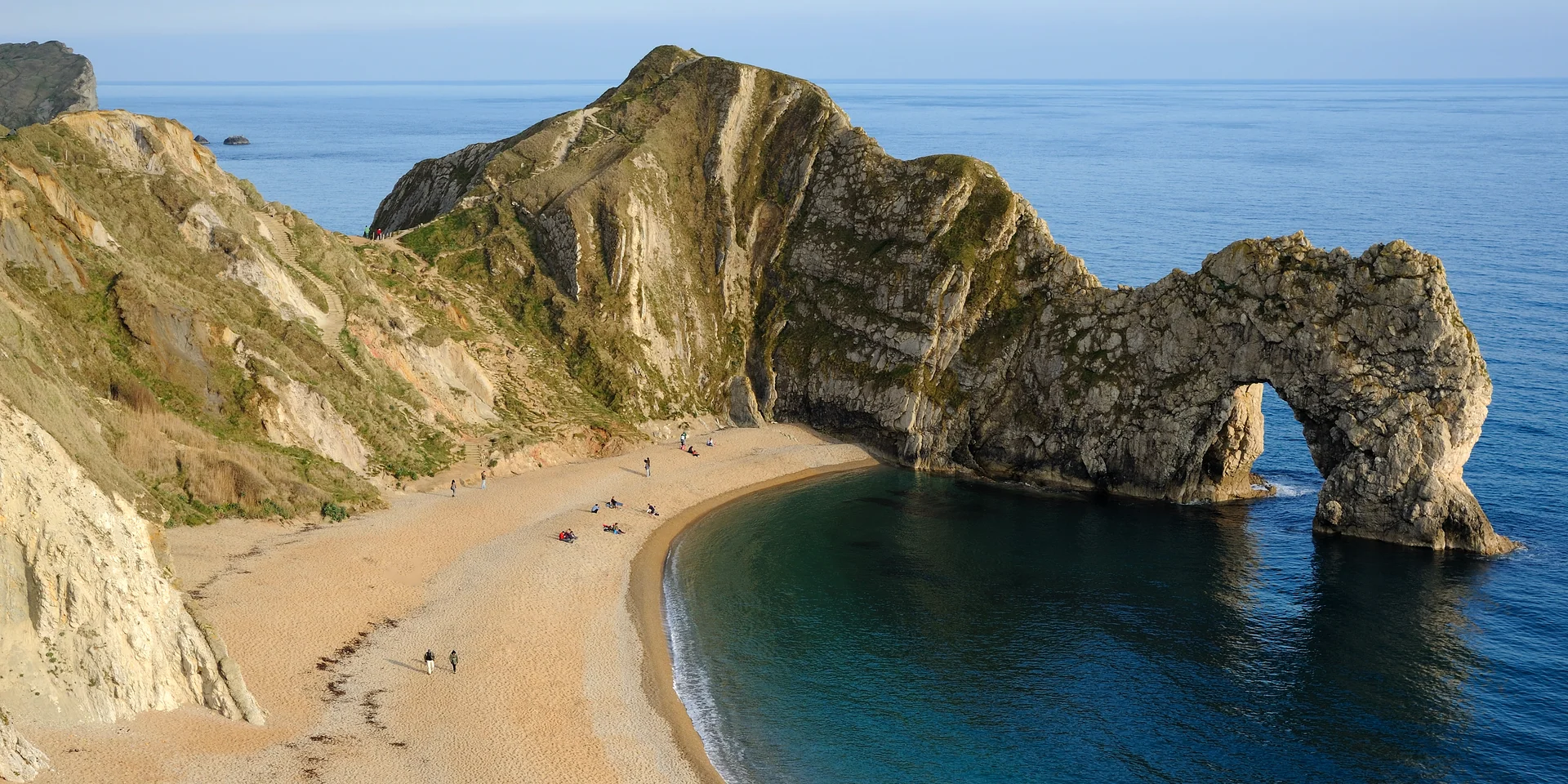
22. Durdle Door
The sea cut Durdle Door's arch through limestone on the Jurassic Coast. Allow for the steep approach and return climb if descending towards the beach; a viewpoint walk can be the whole visit. Keep away from cliff edges and sea caves, where rockfalls are a hazard.
The coast is open year-round, with paid parking. Check Lulworth Estate access information and return before dusk. Seasonal buses need checking for your date. Treat Dorset as its own excursion rather than squeezing it between Bath and Cornwall.
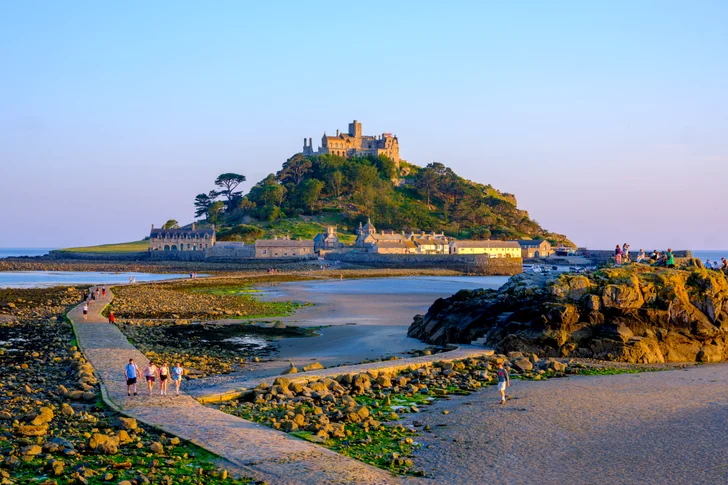
23. St Michael's Mount
The tidal island off Marazion combines a castle, a harbour and a living village. An exterior view from the mainland is possible without making an island visit; the causeway itself is available only within safe tidal windows. Check the return crossing before setting out.
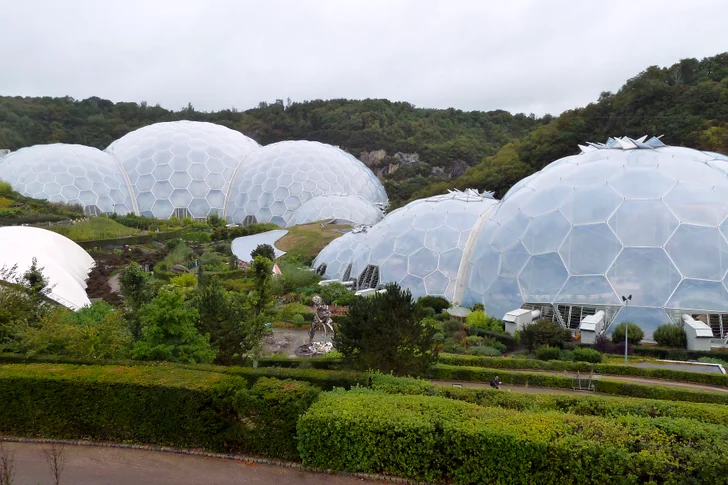
24. Eden Project
Built in a former china-clay quarry, Eden contrasts the tropical Rainforest Biome with the cooler Mediterranean Biome beneath geodesic domes. Gardens surround the structures. A direct bus connects St Austell station with Eden, making a visit without a car possible after checking connections.
The Peak District and Liverpool
3 places
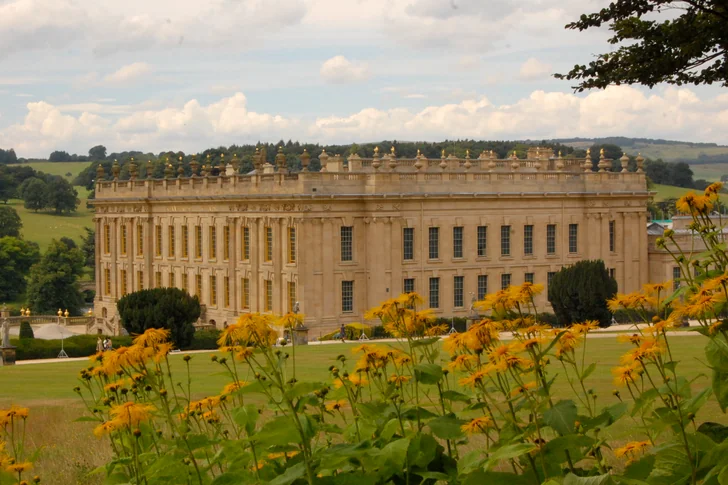
25. Chatsworth House
Chatsworth brings together the Devonshire family's house, an art collection, gardens and a wider park. These are different parts of the estate, with different visiting options. The building's baroque and neoclassical elements also reward an exterior look if you are choosing a park-focused day.
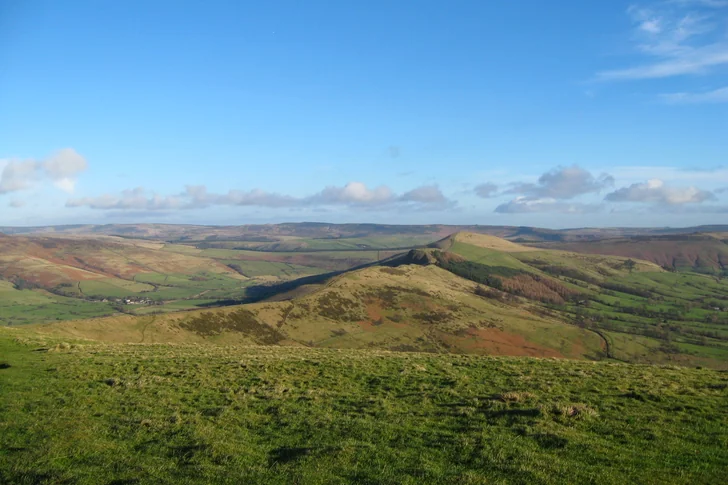
26. Mam Tor
Mam Tor offers an outdoor Peak District day, with views along the ridge and across the surrounding valleys. The National Trust's circular walk from Mam Nick car park is 4.8 km, with an estimated walking time of two hours. Steps and steep sections make it different from a level park stroll.
Use the published route, wear suitable footwear and leave a daylight margin. A walk from Edale railway station is a different, longer route; do not apply the car-park circuit's distance to a rail-based outing.
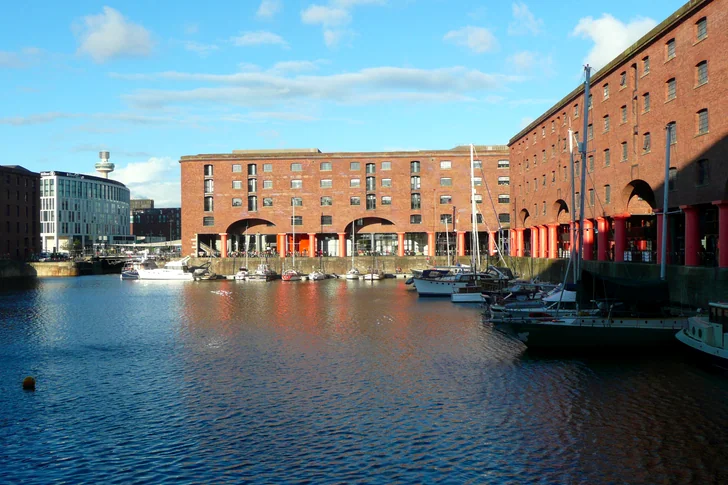
27. Royal Albert Dock, Liverpool
The dock's warehouses and enclosed water make Liverpool's maritime past visible on an unhurried walk. Opened in 1846, it provides an outdoor stop along the waterfront and covered edges, independent of museum opening times.
Walking around the dock is free, but attractions have their own schedules. At the date of checking, Tate Liverpool's dock building is temporarily closed; its temporary space is at RIBA North on Mann Island. Do not arrive expecting the gallery inside the dock to be open.
Yorkshire: a cathedral and two abbeys
3 places
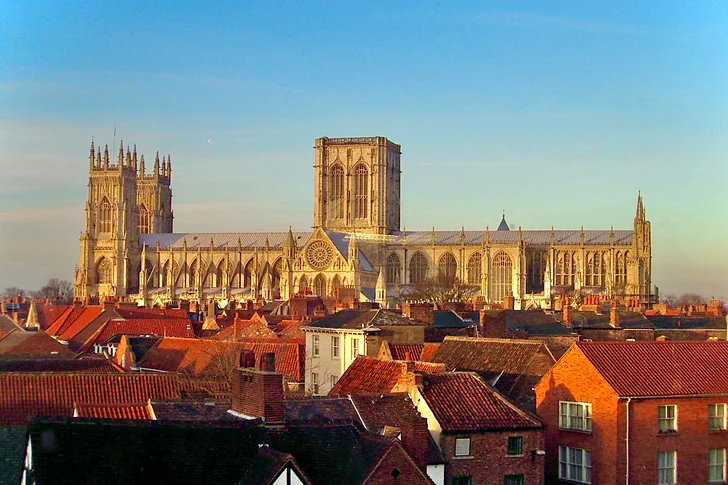
28. York Minster
York Minster brings medieval architecture, stained glass and the Chapter House into one substantial visit. General admission also includes the Undercroft Museum. The central tower is an optional extension, rather than a requirement for appreciating the cathedral, and involves a separate stair climb.
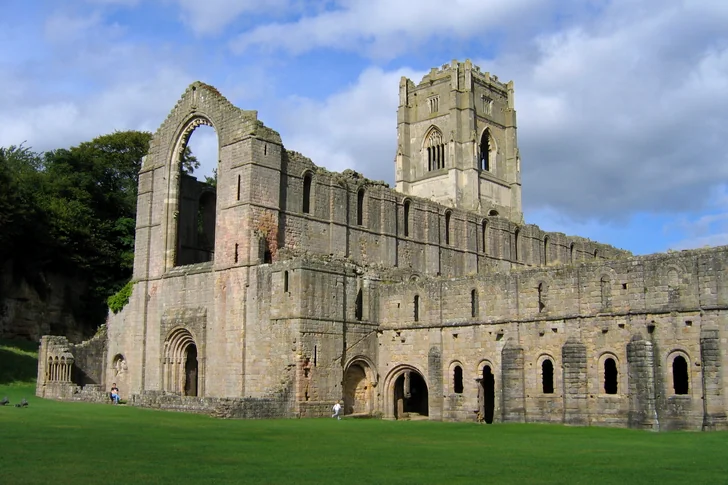
29. Fountains Abbey
The ruined Cistercian abbey is part of a wider landscape. Its twelfth-century remains and the eighteenth-century Studley Royal water garden belong to the same UNESCO site. Leave room to walk beyond the main ruins if weather and opening arrangements allow.
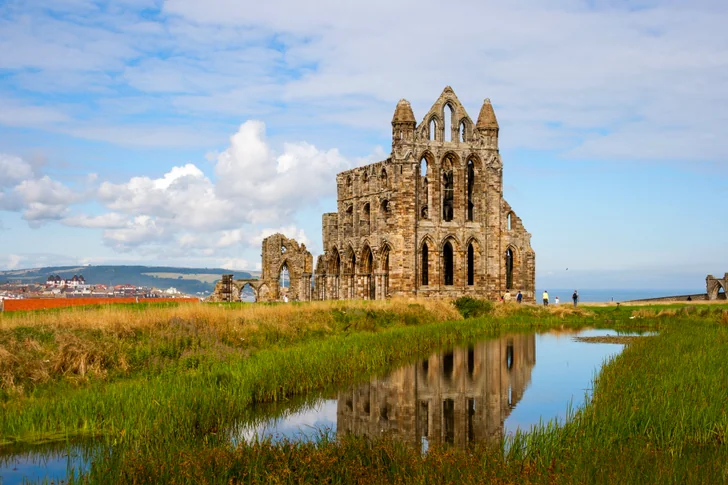
30. Whitby Abbey
The abbey ruins stand above Whitby's harbour, on a headland with both Anglo-Saxon and medieval monastic history. They also connect the town with the literary world of Dracula. The approach from town involves a climb; plan it as part of the visit rather than assuming the ruins are at harbour level.
The Lake District
1 place
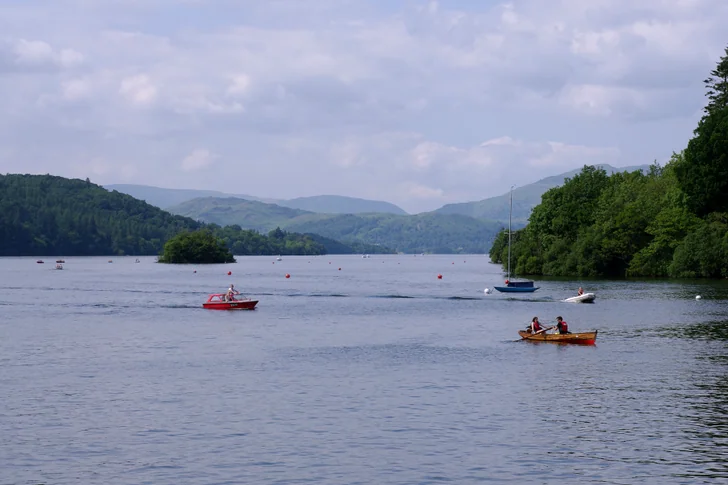
31. Windermere
Windermere is England's largest lake; the railway station of the same name and lakeside Bowness are different arrival points. Bowness makes a useful starting place for a shore visit or cruise. The Cockshott Point walk offers a short outing, though uneven ground means it is not fully accessible to everyone.
Check Lake District National Park information and seasonal bus or boat schedules before choosing your route. Keep a second day available for weather rather than fitting a lake cruise between long cross-country transfers.
Durham and Northumberland
4 places
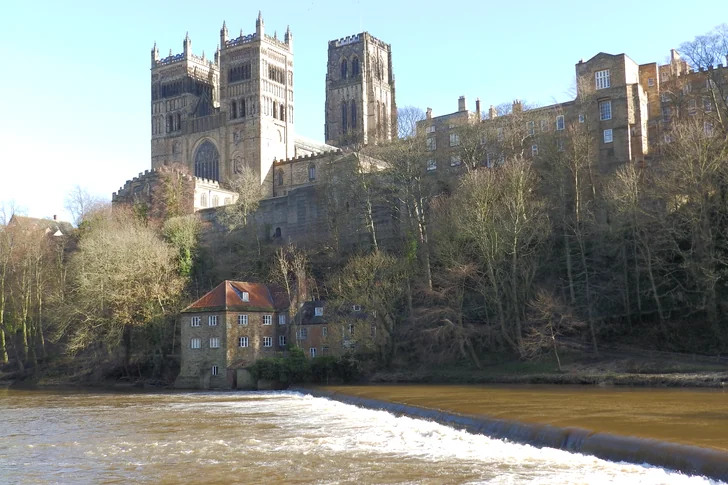
32. Durham Cathedral
Durham's cathedral and castle share UNESCO status. The cathedral's Norman architecture dates from the late eleventh and early twelfth centuries, and its history is connected with Cuthbert and Bede. Approach on foot through the historic centre.
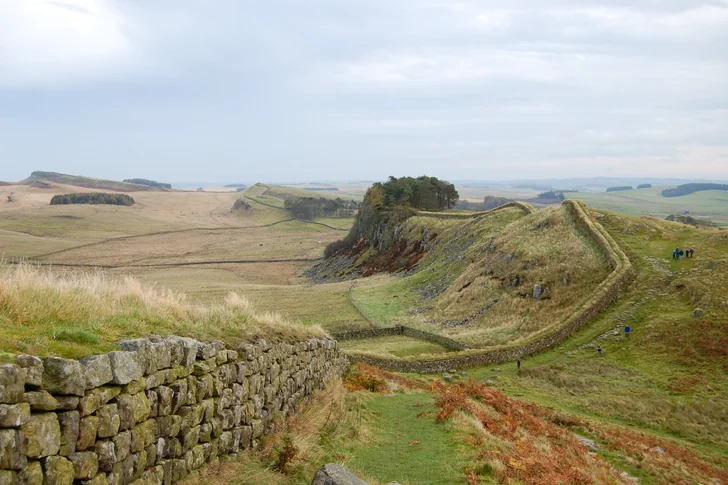
33. Housesteads Roman Fort and Hadrian's Wall
Housesteads places a Roman fort beside surviving stretches of Hadrian's Wall. Explore the fort's layout, then look at how the wall follows the surrounding terrain. The uphill approach from the car park is part of the outing, so allow for walking before reaching the remains.
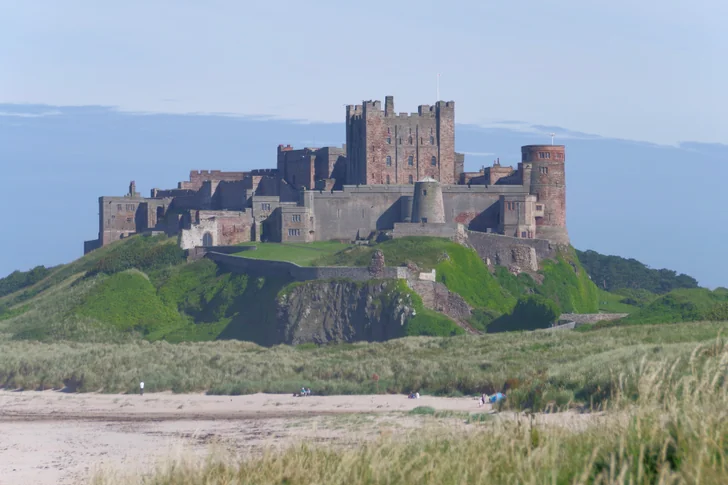
34. Bamburgh Castle
Bamburgh Castle's position above the Northumberland coast makes the exterior a reason to visit in its own right. Choose a beach view, a ticketed castle visit, or both, allowing time for the coast between indoor stops.
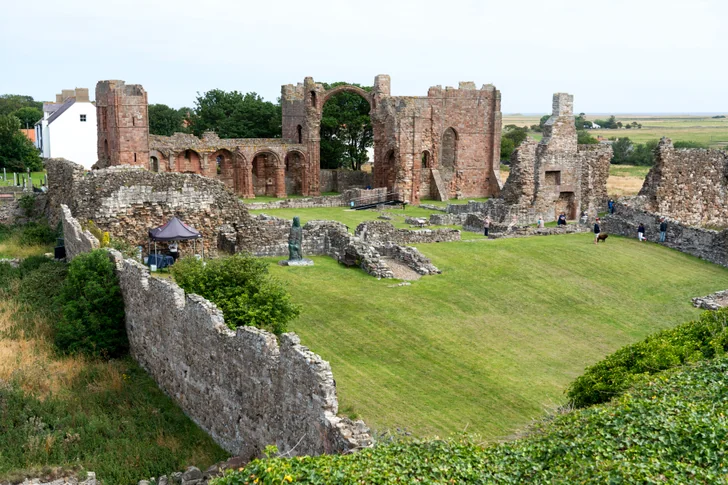
35. Lindisfarne Priory on Holy Island
The priory ruins, including the surviving rainbow arch, are distinct from Lindisfarne Castle. Aidan's community began on the island in 635; the surviving priory church belongs to a later chapter of its history. Choose this visit for the monastic remains and island setting, keeping the return journey central to your plan.
What to see in one, two or three days
London: in one day, walk between Westminster Abbey, Parliament Square and Buckingham Palace, choosing one interior. With two days, add the Tower of London and Tower Bridge. With three, add the British Museum and St Paul's, reducing other visits for longer museum time. Tower climbs and Parliament tours need confirmed bookings.
Oxford and nearby: spend day one around Radcliffe Square and your chosen library tour; give day two to Blenheim. A third day can go to Bibury with a car or separately arranged connection. Otherwise, keep that day for Oxford. Stratford-upon-Avon works as a separate town visit.
Bath and Salisbury: spend day one at the Roman Baths and in Bath's centre. On day two, combine Salisbury Cathedral and Stonehenge after matching entry slots with the tour bus. Three days allow easier transfers and an overnight stay around Salisbury. Bristol, Dorset and Cornwall require additional time.
Other regional choices: allow one day each for Cambridge and Ely, linked by train. In Yorkshire, spend a day in York, adding separate days for Fountains and Whitby by car; without one, choose an excursion after checking transport. Around Windermere, allow two days for a shore walk and weather-dependent cruise.
Northumberland: allow three days for Housesteads, Bamburgh and Holy Island, one main visit per day. Safe crossing times determine the island day's order; keep an alternative if access fails. Add a separate day for Durham. Chatsworth and Mam Tor likewise suit separate Peak District days; Liverpool is its own city stop.
 Russia



 France

 Montenegro
 Hungary
 Venezuela